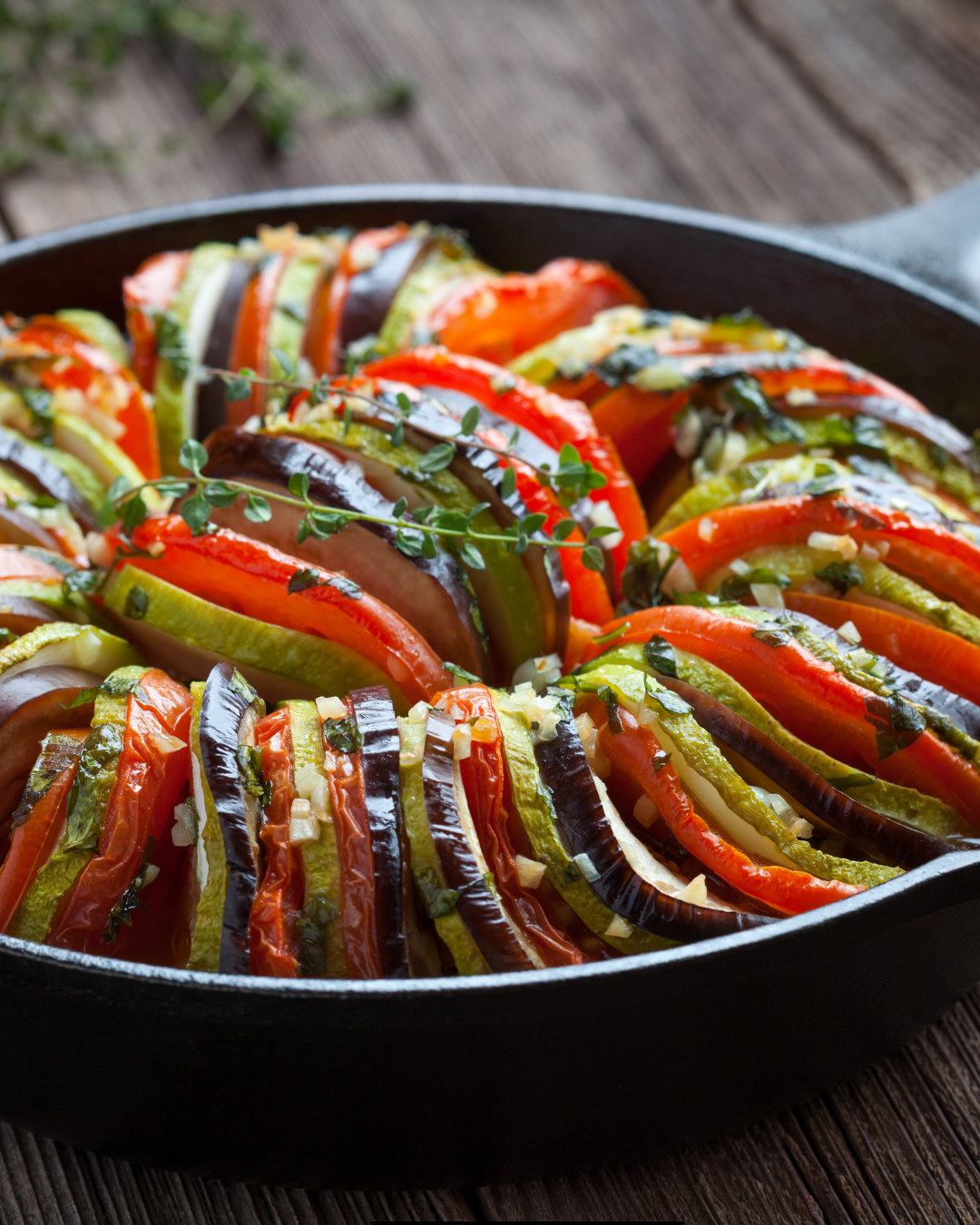
This Jamie Oliver’s Ratatouille dish is the perfect marriage of fresh, vibrant vegetables and bold Mediterranean flavors. I remember the first time I tried it—watching the aubergines (eggplant), courgettes (zucchini), and peppers transform into a rich, hearty blend felt almost magical. It’s one of those recipes where every step feels joyful, especially when the aroma of garlic and fresh basil starts filling the kitchen.
Table of Contents
How to make Jamie Oliver’s Ratatouille
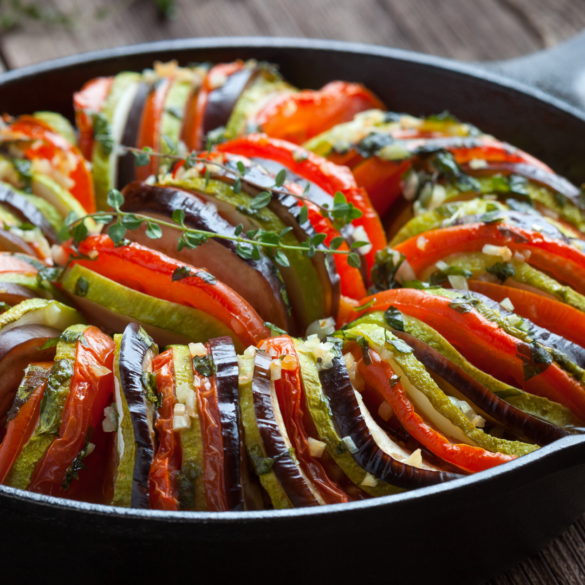
Jamie Oliver’s Ratatouille is his take on the classic French vegetable stew from the region of Provence. It’s a rustic, colorful dish made by slowly cooking vegetables like eggplant, zucchini, peppers, tomatoes, onions, and garlic with olive oil and herbs until everything becomes rich, soft, and deeply flavorful.
Ingredients
For this recipe, you will need:
Vegetables
- 2 red onions
- 2 medium courgettes (zucchini)
- 2 aubergines (eggplants)
- 1 red bell pepper
- 1 yellow bell pepper
- 6 ripe tomatoes (or a 400g tin of good-quality peeled plum tomatoes)
Herbs and Aromatics
- 4 cloves of garlic
- A small bunch of fresh basil (leaves and stems separated)
- A few sprigs of fresh thyme
- A bay leaf
Oil and Seasoning
- Olive oil (extra virgin preferred for cooking)
- Sea salt and freshly ground black pepper
Optional
- Balsamic vinegar (for added depth of flavor)
- Fresh parsley (as garnish)
Instructions
Prep the Ingredients:
- Peel and finely slice the red onions.
- Trim and slice the courgettes into rounds, roughly ½ cm thick.
- Quarter the aubergines lengthwise, then chop them into bite-sized chunks.
- Remove the stalks, seeds, and pith from the bell peppers, then dice them into similar-sized pieces.
- Peel and finely slice the garlic cloves.
- If using fresh tomatoes, score an “X” on the bottom of each, blanch them in boiling water for about 30 seconds, then peel off the skins. Chop them roughly. Alternatively, use tinned plum tomatoes.
Cooking Instructions:
- Start with the onion: In a large, deep frying pan or casserole dish, heat a good drizzle of olive oil over medium heat. Add the sliced onions and sauté for 5 minutes until soft and translucent.
- Add the garlic and herbs: Stir in the sliced garlic, a few finely chopped basil stems (reserve the leaves for later), and a couple of sprigs of thyme. Cook for another minute or two until fragrant.
- Begin layering the vegetables: Add the aubergines to the pan and cook for about 5 minutes until they start softening. Then add the courgettes and bell peppers, stirring occasionally to make sure everything cooks evenly.
- Stir in the tomatoes: Finally, add the chopped tomatoes (or the tinned plum tomatoes). Use a wooden spoon to break down the tinned tomatoes if needed. Toss in the bay leaf and bring it all to a simmer.
- Season and simmer: Season generously with sea salt and freshly ground black pepper. Cover the pan and lower the heat, letting the ratatouille simmer gently for 30–40 minutes. Stir occasionally to prevent sticking.
- Finish with basil and balsamic: Once the vegetables are soft and the flavors have melded together, tear in the fresh basil leaves and drizzle with a touch of balsamic vinegar. Give it one last stir, then turn off the heat.
Tips for Perfect Ratatouille
- Use fresh, ripe vegetables: The quality of your produce will greatly affect the flavor, so opt for in-season and fresh ingredients.
- Cut vegetables evenly: Ensure your vegetables are cut into similarly sized pieces to cook evenly.
- Cook low and slow: Ratatouille is all about coaxing out the natural sweetness of the vegetables, so don’t rush it.
- Layer flavors: Start with onions and garlic as the base to build deeper, aromatic flavors.
- Prepare ahead: Ratatouille tastes even better the next day as the flavors have time to develop fully. Make it ahead and store in the fridge for up to 3 days.
- Make it your own: You can serve ratatouille as a side dish, on top of crusty bread, tossed with pasta, or with rice. It pairs beautifully with grilled meats or fish as well.
What to serve with
1. Crusty Bread
A classic choice when serving Jamie Oliver’s Ratatouille is a fresh, crusty loaf of bread. The bread is perfect for soaking up the aromatic and flavorful juices of the dish. Here’s what works best:
- French baguette: Slice and serve warm, or toast the slices lightly for an extra crunch.
- Ciabatta: Its light, airy texture makes it a great pairing for the hearty vegetables.
- Sourdough bread: The tangy flavor complements the sweetness of the roasted vegetables.
2. Rice or Grains
For a more filling and balanced meal, serve ratatouille over a bed of rice or other grains.
- White rice or brown rice: The fluffy texture of rice absorbs the flavorful juices beautifully.
- Quinoa: For a health-conscious option, quinoa adds protein and a nutty twist.
- Couscous: The quick-cooking nature of couscous makes it a convenient pairing.
- Orzo or other small pasta: These can act as a neutral base, allowing the ratatouille’s flavors to shine.
3. Grilled Meats or Fish
While Jamie Oliver’s Ratatouille is a fantastic vegetarian dish, pairing it with protein can create a well-rounded, hearty meal.
- Roasted chicken: A simple roast chicken, seasoned with herbs, pairs beautifully with the basil and garlic in ratatouille.
- Grilled lamb chops: The depth of grilled lamb’s flavor complements the vegetable medley.
- Pan-seared fish: White fish like cod, halibut, or sea bass work well, while salmon adds richness to the plate.
- Grilled sausages: Try mild or herby Mediterranean-style sausages for a rustic pairing.
5. Eggs
Serving Jamie Oliver’s Ratatouille with eggs transforms it into a hearty brunch option. There are several ways to combine the two:
- Poached eggs: Serve them on top of the ratatouille and let the runny yolk add richness.
- Fried eggs: A sunny-side-up egg adds a vibrant pop to the dish.
- Omelette or frittata: Incorporate ratatouille right into the eggs for an easy, protein-packed meal.
6. Cheese
Cheese can elevate Jamie Oliver’s Ratatouille to another level of indulgence. Here are the best options:
- Goat cheese: Crumble over the dish for a tangy, creamy addition.
- Parmesan: Grate it on top for a subtle saltiness.
- Mozzarella or burrata: Add fresh slices for a melt-in-your-mouth texture.
7. Salad
Pair Jamie Oliver’s Ratatouille with a light salad for a refreshing contrast.
- Green salad: Toss mixed greens with a lemon vinaigrette to brighten up the plate.
- Mediterranean salad: Include ingredients like olives, cucumbers, and feta cheese for a thematic pairing.
- Spinach salad: Combine spinach, roasted nuts, and cranberries to bring a delightful texture to the meal.
Ingredients Substitutes
One of the beauties of making ratatouille using Jamie Oliver’s recipe is its flexibility and ability to adapt to various ingredients based on availability, dietary preferences, or a little personal creative flair.
1. Red Onions
Substitute Options:
- Yellow onions: Slightly sweeter and softer, these are the most similar substitute to red onions.
- Shallots: If you prefer a milder flavor, shallots work beautifully, adding a touch of sweetness and delicacy.
- Leeks: For a more subtle, savory note, use the white and light green parts of leeks.
- Spring onions (scallions): These can be used in a pinch, especially if you’re looking for a lighter onion flavor.
2. Garlic
Substitute Options:
- Garlic paste or minced garlic from a jar: If you’re short on fresh garlic, these will do the trick. Just measure carefully, as they can have stronger flavors.
- Garlic powder: Use 1/4 teaspoon of garlic powder for every clove of fresh garlic.
- Shallots: Though not quite the same as garlic, finely chopped shallots can give a mild, aromatic flavor.
- Roasted garlic: This adds a deeper, sweeter flavor to the dish as an alternative.
3. Aubergines (Eggplants)
Substitute Options:
- Zucchini (courgettes): If you want to replace aubergines entirely, use more courgettes in their place. However, you will miss the slightly bitter, creamy texture aubergines provide.
- Mushrooms: For a similar texture and earthiness, sliced mushrooms (like portobello or cremini) can work well.
- Summer squash: Although milder in flavor than aubergines, summer squash can add bulk and color to the dish.
- Okra: If available, okra works as a good substitute for aubergines because of its soft texture when cooked.
4. Courgettes (Zucchinis)
Substitute Options:
- Cucumber: Use cucumber sparingly, as it releases more liquid than zucchinis. It works better when the dish is cooked for a shorter time.
- Yellow squash (crookneck squash): A direct and colorful substitute with a similar texture and flavor.
- Green beans: Cut into bite-sized pieces, green beans add crispness and a mild vegetal taste.
- Bell peppers: If needed, increase the quantity of bell peppers to make up for skipped zucchini.
5. Bell Peppers
Substitute Options:
- Other colored bell peppers: If one variety of bell pepper isn’t available, use another color (red, orange, or yellow work beautifully). Green bell peppers can also work, but will have a slightly bitter taste.
- Roasted jarred peppers: Canned or jarred roasted peppers can be used, particularly if you love a smoky flavor. Just make sure to drain and slice them.
- Tomatillos: These can add a tangy and slightly tart flavor, although they’ll significantly change the profile of the dish.
- Carrots: Sliced or chopped carrots will add a touch of sweetness and an earthy twist.
6. Fresh Tomatoes
Substitute Options:
- Canned tomatoes: A versatile and convenient substitute for fresh tomatoes, canned chopped or plum tomatoes work well in ratatouille. If using canned tomatoes, choose high-quality, whole, peeled or diced tomatoes for the best flavor.
- Cherry tomatoes: Use halved or quartered cherry tomatoes for a sweeter and juicier option.
- Tomato puree or passata: Passata provides a smoother, richer base for the dish if you prefer fewer tomato chunks. Adjust for liquid balance if needed.
- Sundried tomatoes: Although they’re more intense, a few chopped sundried tomatoes can elevate the dish with their tangy, concentrated flavor.
Final Thoughts
Jamie Oliver’s Ratatouille is more than just a dish—it’s a celebration of seasonal vegetables and wholesome cooking.
Ingredients
Vegetables
- 2 red onions
- 2 medium courgettes (zucchini)
- 2 aubergines (eggplants)
- 1 red bell pepper
- 1 yellow bell pepper
- 6 ripe tomatoes
Herbs and Aromatics
- 4 cloves of garlic
- A small bunch of fresh basil
- A few sprigs of fresh thyme
- A bay leaf
Oil and Seasoning
- Olive oil (extra virgin preferred for cooking)
- Sea salt and freshly ground black pepper
Optional
- Balsamic vinegar (for added depth of flavor)
- Fresh parsley (as garnish)
Instructions
Prep the Ingredients:
- Peel and finely slice the red onions.
- Trim and slice the courgettes into rounds, roughly ½ cm thick.
- Quarter the aubergines lengthwise, then chop them into bite-sized chunks.
- Remove the stalks, seeds, and pith from the bell peppers, then dice them into similar-sized pieces.
- Peel and finely slice the garlic cloves.
- If using fresh tomatoes, score an "X" on the bottom of each, blanch them in boiling water for about 30 seconds, then peel off the skins. Chop them roughly. Alternatively, use tinned plum tomatoes.
Cooking Instructions:
- Start with the onion: In a large, deep frying pan or casserole dish, heat a good drizzle of olive oil over medium heat. Add the sliced onions and sauté for 5 minutes until soft and translucent.
- Add the garlic and herbs: Stir in the sliced garlic, a few finely chopped basil stems (reserve the leaves for later), and a couple of sprigs of thyme. Cook for another minute or two until fragrant.
- Begin layering the vegetables: Add the aubergines to the pan and cook for about 5 minutes until they start softening. Then add the courgettes and bell peppers, stirring occasionally to make sure everything cooks evenly.
- Stir in the tomatoes: Finally, add the chopped tomatoes (or the tinned plum tomatoes). Use a wooden spoon to break down the tinned tomatoes if needed. Toss in the bay leaf and bring it all to a simmer.
- Season and simmer: Season generously with sea salt and freshly ground black pepper. Cover the pan and lower the heat, letting the ratatouille simmer gently for 30–40 minutes. Stir occasionally to prevent sticking.
- Finish with basil and balsamic: Once the vegetables are soft and the flavors have melded together, tear in the fresh basil leaves and drizzle with a touch of balsamic vinegar. Give it one last stir, then turn off the heat.