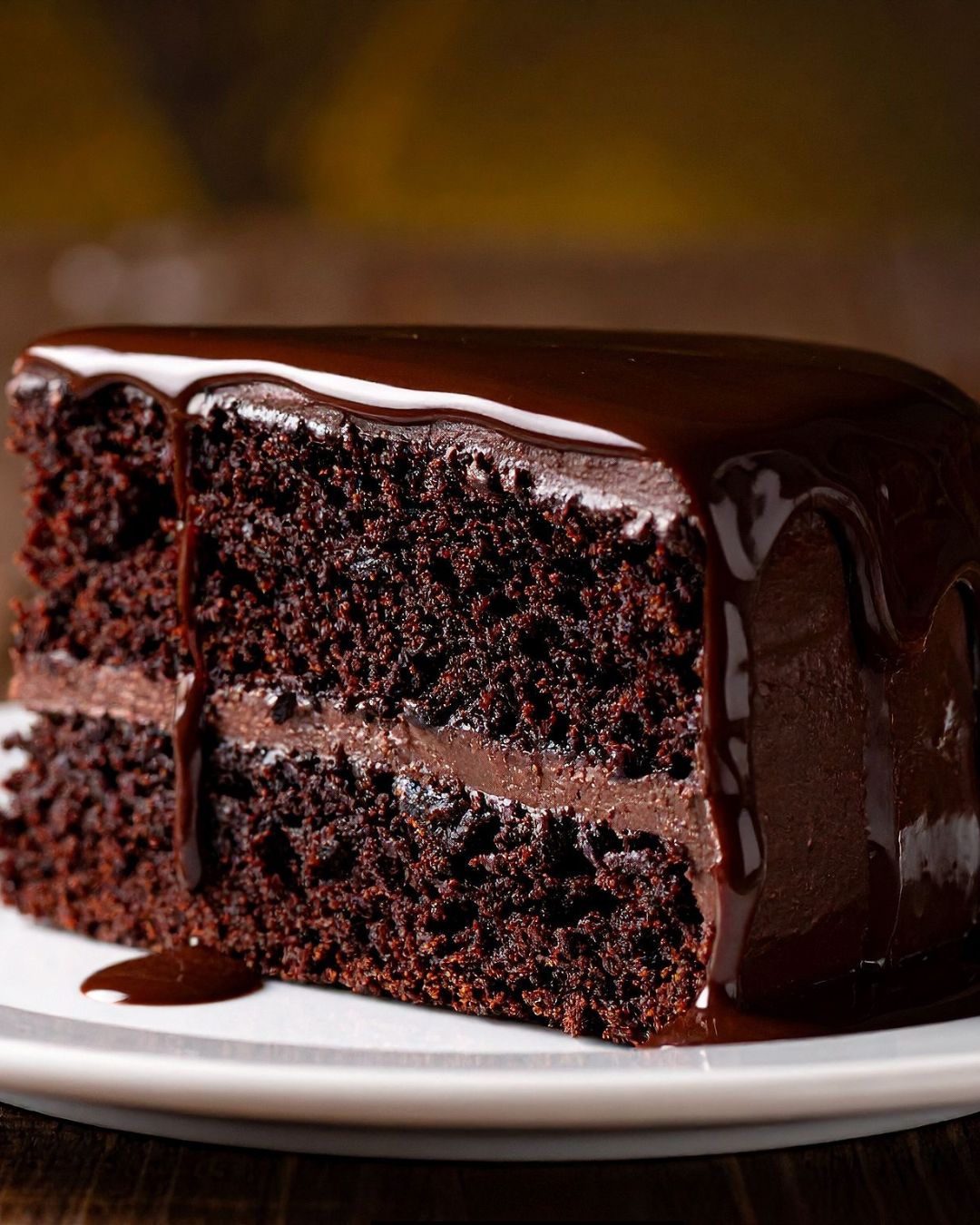
Jamie Oliver’s chocolate cakes are renowned for their rich flavors, moist texture, and that irresistible touch of decadence that makes every bite pure bliss.
Table of Contents
How to make Jamie Oliver’s Chocolate Cake
Jamie Oliver’s chocolate cake is a rich, moist homemade dessert known for using simple pantry ingredients with a relaxed, family-style approach to baking.
Ingredients
For the Cake:
- 200g plain flour – The base for your cake; sift it to avoid lumps and ensure a light texture.
- 200g caster sugar: Adds sweetness and balances the bitterness of the chocolate.
- 200g unsalted butter (softened) – Key to a moist and rich cake; bring it to room temperature before baking.
- 200g quality dark chocolate (70% cocoa, melted) – Choose high-quality chocolate for a deeper, richer flavor.
- 4 large eggs – Helps bind the ingredients and gives the cake its structure.
- 1 tsp baking powder – Adds a gentle rise to the cake for a fluffy texture.
- 1 tbsp cocoa powder (optional) – For an extra hit of chocolate flavor.
- A pinch of sea salt: Enhances the chocolate taste and balances the sweetness.
For the Chocolate Icing:
- 100g dark chocolate (70% cocoa, melted) – Melt slowly to avoid burning; it forms the chocolate base for the icing.
- 100g unsalted butter (softened) – Smooths out the icing and adds richness.
- 3 tbsp icing sugar – Sifted to avoid lumps; adds sweetness to the icing.
- 1 tbsp cream or milk (optional) – Adjusts consistency if your icing feels too thick.
Instructions
- Preheat your oven to 180°C (350°F) or 160°C (fan). Grease and line two 8-inch round cake tins with parchment paper. Lining the tins ensures your cake doesn’t stick and gives you clean, easy-to-remove layers.
- Break 200g of dark chocolate into small pieces and melt it gently. You can use a heatproof bowl over a pot of simmering water (double boiler method) or microwave it in 20-second intervals, stirring in between to avoid burning.
- Cream the butter and sugar: In a large mixing bowl, beat the softened butter and caster sugar with a hand mixer (or stand mixer) until light and fluffy. This step is key to a moist cake.
- Add the eggs: Crack in the eggs one at a time, mixing well after each addition to avoid curdling.
- Incorporate the melted chocolate: Once cooled slightly, pour the melted chocolate into the mixture and gently fold it in.
- Sift dry ingredients: In a separate bowl, sift together the plain flour, cocoa powder (optional), baking powder, and salt. Gradually add these dry ingredients into the wet mixture, folding gently until fully incorporated. Be careful not to overmix, as this can make the cake dense.
- Divide the batter evenly between the two prepared tins. Smooth the tops with a spatula for an even finish. Bake in the preheated oven for 20–25 minutes, or until a skewer inserted into the center comes out clean.
- Once done, remove the cakes from the oven and allow them to cool in the tins for 5–10 minutes before transferring them to a wire rack to cool completely.
- Melt the 100g dark chocolate using the same method as before. Let it cool slightly.
- In a bowl, beat the softened butter and sifted icing sugar until smooth.
- Gradually add the melted chocolate to the butter mixture and combine well. If the icing feels thick, you can mix in a tablespoon of milk or cream for a silky texture.
- Place one of the cooled cake layers on a serving plate. Spread half of the chocolate icing evenly across the top.
- Gently place the second cake layer on top and press lightly to secure.
- Use the remaining icing to cover the top (and sides, if you prefer a fully frosted cake). Smooth the icing with a spatula or spoon.
Tips for Perfect Results
- Quality Counts: Always use high-quality dark chocolate with at least 70% cocoa for the cake and icing. The flavor of the chocolate directly impacts the taste of the cake.
- Room Temperature Ingredients: Ensure your butter and eggs are at room temperature. This helps create a smooth, well-incorporated batter.
- Don’t Rush Cooling: Allow the cake layers to cool completely before applying icing. Warm cakes can make the icing melt and ruin the look.
- Customize Decorations: Add grated chocolate, fresh berries, chopped nuts, or even a drizzle of caramel on top for extra flair.
- Store Smartly: To keep your cake moist, store it in an airtight container at room temperature for up to 3 days, or in the fridge for up to 5 days.
What to serve with
Jamie Oliver’s chocolate cake is undeniably rich and indulgent, with its moist layers and creamy chocolate icing. But what if you want to elevate the experience further? Pairing the cake with complementary sides or toppings can create a fuller dessert experience and cater to diverse tastes.
1. Fresh Fruits: A Refreshing Balance
The richness of chocolate pairs beautifully with the natural sweetness and tang of fresh fruits. These add a refreshing element to the cake while also making the plate look vibrant.
Best Fruits to Serve:
- Berries: Fresh raspberries, strawberries, blueberries, or blackberries provide a sharp, tangy contrast to the chocolaty richness.
- Banana Slices: The mild sweetness of bananas complements the cake perfectly.
- Citrus Segments: Orange slices or blood oranges bring a zingy brightness that enhances the dark chocolate flavor.
- Cherries: Whole or halved cherries are a classic pair for chocolate desserts, adding a pop of juice and sweetness.
2. Whipped Cream or Mascarpone: Light & Fluffy
Sometimes, all a rich Jamie Oliver’s Chocolate Cake needs is a simple dollop of cream to smooth out the flavors. Whipped cream adds an airy, light element, while mascarpone offers a rich, creamy decadence without overpowering the chocolate.
How to Serve:
- Vanilla Whipped Cream: Add a teaspoon of vanilla extract to heavy cream and whip until soft peaks form.
- Mascarpone Cream: Mix mascarpone cheese with a little icing sugar and vanilla for sweetness; it’s creamy and luxurious.
- Flavored Whipped Cream: Experiment with adding orange zest, a dash of espresso, or even mint extract to your whipped cream for unique flavor combinations.
3. Ice Cream: The Cool Companion
A scoop of ice cream served alongside the warm richness of chocolate cake is pure bliss! The cold, creamy texture works wonders to balance the cake’s indulgent flavor.
Best Ice Cream Flavors:
- Vanilla: A classic pairing that lets the Jamie Oliver’s Chocolate Cake shine.
- Salted Caramel: The hint of saltiness mixed with sweetness complements the richness of the cake.
- Mint Chocolate Chip: Adds cool freshness and another chocolatey layer.
- Raspberry Sorbet: Fruity, tangy, and light — perfect for a refreshing combination.
Ingredients Substitutes
Jamie Oliver’s chocolate cake recipe is straightforward and packed with wholesome ingredients, but sometimes you may need to make substitutions due to dietary preferences, allergies, or simply because you’ve run out of something!
Substitutes for Flour
Traditional recipes use plain flour, but there are excellent alternatives for those avoiding gluten or experimenting with different flavors.
Alternatives:
- Gluten-Free Flour Blend: Replace plain flour with a pre-packaged gluten-free flour blend (available in stores). Ensure it includes a stabilizer like xanthan gum for structure. Use a 1:1 ratio.
- Almond Flour: A great choice for a slightly nutty flavor. You’ll need to reduce the amount by about 25%, as almond flour is heavier than regular flour.
- Coconut Flour: Highly absorbent, so only use 30g coconut flour for every 100g plain flour and increase the liquid ingredients (like eggs or melted chocolate) to maintain balance.
- Oat Flour: You can make oat flour by blending oats into a fine powder. Use a 1:1 ratio and consider adding extra binding agents like an additional egg or applesauce.
Substitutes for Butter
Butter provides richness and moistness in the Jamie Oliver’s Chocolate Cake, but there are alternatives if you need a dairy-free or lighter version.
Alternatives:
- Coconut Oil: Solidified coconut oil works well as a butter substitute. Use equal amounts, and choose refined coconut oil if you don’t want a coconut flavor.
- Vegetable Oil or Olive Oil: Both can replace butter in the cake batter. Use 150ml of oil for every 200g of butter and expect a slightly lighter texture.
- Dairy-Free Margarine: A plant-based margarine can be swapped in a 1:1 ratio for butter. Look for brands specifically made for baking.
- Applesauce or Mashed Banana: Ideal for a healthier and more moist cake. Replace butter with an equal weight of applesauce or banana for sweet, dense results.
Substitutes for Eggs
Eggs provide structure, binding, and richness, but if you’re catering to vegans or avoiding eggs, here are excellent alternatives.
Alternatives:
- Flaxseed or Chia Seed Egg: Combine 1 tbsp ground flaxseed or chia seeds with 3 tbsp water per egg. Let it sit until gel-like, then use it as a direct egg replacement.
- Unsweetened Applesauce: Replace each egg with 1/4 cup unsweetened applesauce. Great for added moisture!
- Mashed Banana: Substitute each egg with 1/2 mashed banana, but keep in mind this will slightly alter the flavor of the cake.
- Silken Tofu: Blend 1/4 cup silken tofu per egg into a smooth paste. This works wonderfully in dense cakes.
- Baking Powder and Vinegar: For a lighter texture, mix 1 tsp baking powder with 1 tbsp vinegar to substitute one egg.
Substitutes for Sugar
Caster sugar is used to sweeten and add structure, but there are variations depending on health needs or preferences.
Alternatives:
- Brown Sugar or Coconut Sugar: Swap in equal amounts for a deeper, caramel-like flavor.
- Stevia: A natural, calorie-free sweetener. Use powdered stevia, but reduce the quantity significantly, as it’s much sweeter than sugar (check your brand’s conversion chart).
- Honey or Maple Syrup: Replace sugar with 3/4 cup honey or maple syrup for every 1 cup of sugar. Reduce other liquids slightly to compensate for moisture.
- Date Paste: Blend dates into a paste, and use it as a natural sweetener (1 cup paste for 1 cup of sugar). It’s great for adding richness, but the flavor will be more distinct.
Final Thoughts
Jamie Oliver’s chocolate cake is truly a celebration of simple, wholesome baking. It’s indulgent, comforting, and perfect for any occasion.
More Dessert Recipes:
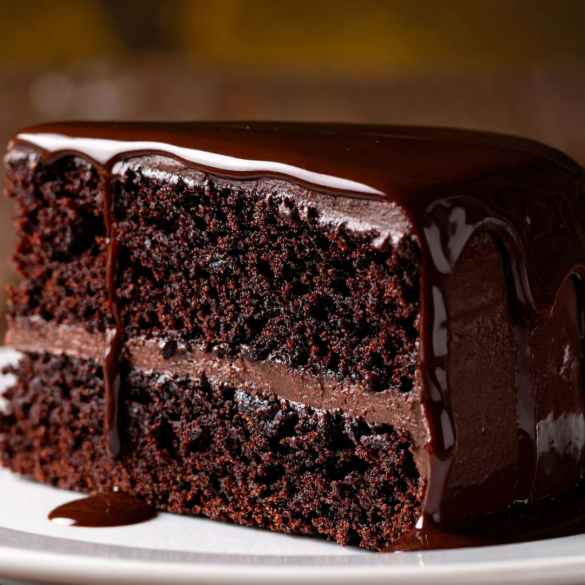
Ingredients
For the Cake:
- 200g plain flour
- 200g caster sugar
- 200g unsalted butter (softened)
- 200g quality dark chocolate (70% cocoa, melted)
- 4 large eggs
- 1 tsp baking powder
- 1 tbsp cocoa powder (optional)
- A pinch of sea salt
For the Chocolate Icing:
- 100g dark chocolate (70% cocoa, melted)
- 100g unsalted butter (softened)
- 3 tbsp icing sugar
- 1 tbsp cream or milk (optional)
Instructions
- Preheat your oven to 180°C (350°F) or 160°C (fan). Grease and line two 8-inch round cake tins with parchment paper. Lining the tins ensures your cake doesn’t stick and gives you clean, easy-to-remove layers.
- Break 200g of dark chocolate into small pieces and melt it gently. You can use a heatproof bowl over a pot of simmering water (double boiler method) or microwave it in 20-second intervals, stirring in between to avoid burning.
- Cream the butter and sugar: In a large mixing bowl, beat the softened butter and caster sugar with a hand mixer (or stand mixer) until light and fluffy. This step is key to a moist cake.
- Add the eggs: Crack in the eggs one at a time, mixing well after each addition to avoid curdling.
- Incorporate the melted chocolate: Once cooled slightly, pour the melted chocolate into the mixture and gently fold it in.
- Sift dry ingredients: In a separate bowl, sift together the plain flour, cocoa powder (optional), baking powder, and salt. Gradually add these dry ingredients into the wet mixture, folding gently until fully incorporated. Be careful not to overmix, as this can make the cake dense.
- Divide the batter evenly between the two prepared tins. Smooth the tops with a spatula for an even finish. Bake in the preheated oven for 20–25 minutes, or until a skewer inserted into the center comes out clean.
- Once done, remove the cakes from the oven and allow them to cool in the tins for 5–10 minutes before transferring them to a wire rack to cool completely.
- Melt the 100g dark chocolate using the same method as before. Let it cool slightly.
- In a bowl, beat the softened butter and sifted icing sugar until smooth.
- Gradually add the melted chocolate to the butter mixture and combine well. If the icing feels thick, you can mix in a tablespoon of milk or cream for a silky texture.
- Place one of the cooled cake layers on a serving plate. Spread half of the chocolate icing evenly across the top.
- Gently place the second cake layer on top and press lightly to secure.
- Use the remaining icing to cover the top (and sides, if you