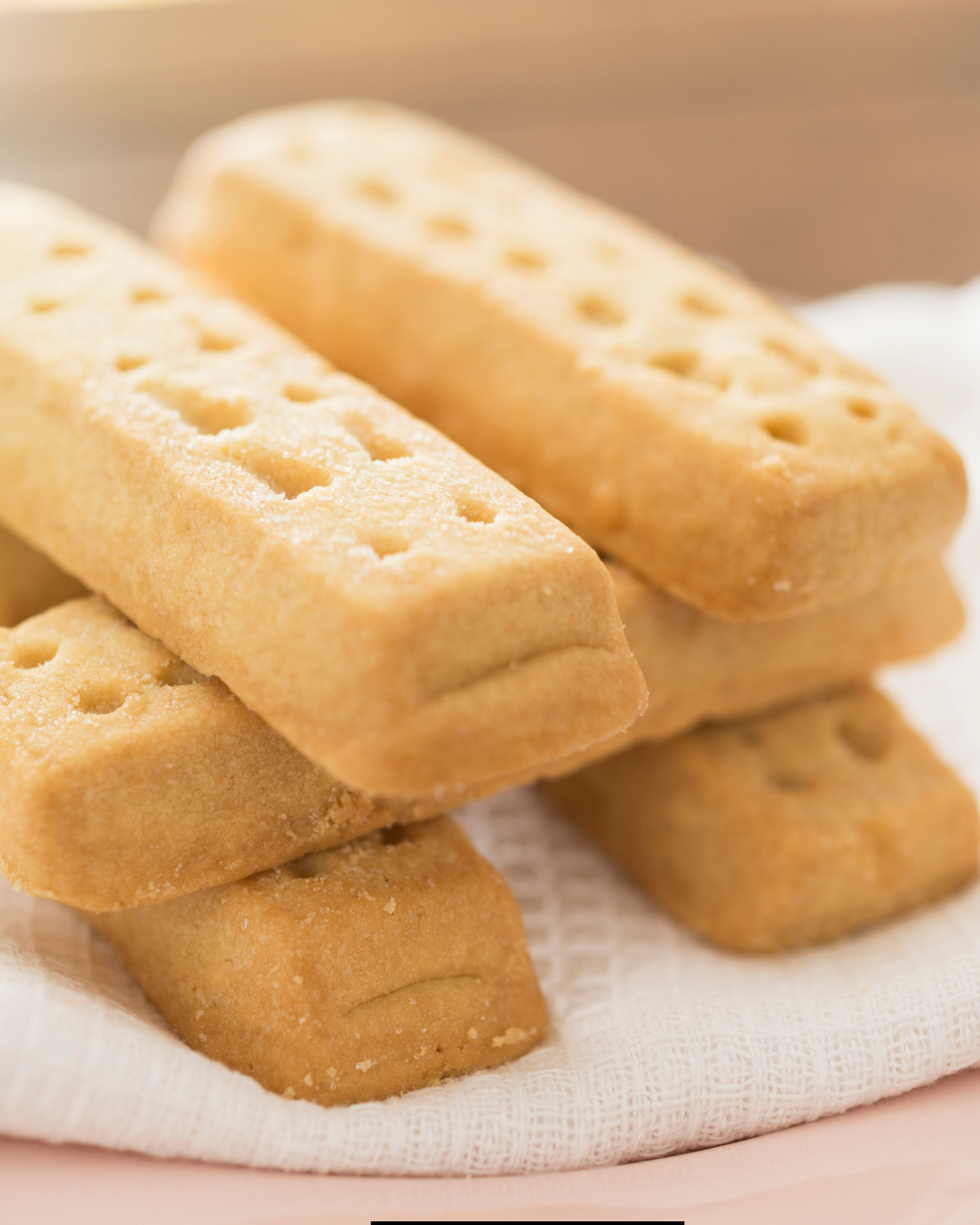
I’ll break down the magic of Jamie Oliver’s shortbread recipe, share why it has become one of my go-tos for tea time (and let’s be honest, anytime), and even explore a couple of creative twists he offers to make it your own.
Table of Contents
How to make Jamie Oliver’s Shortbread
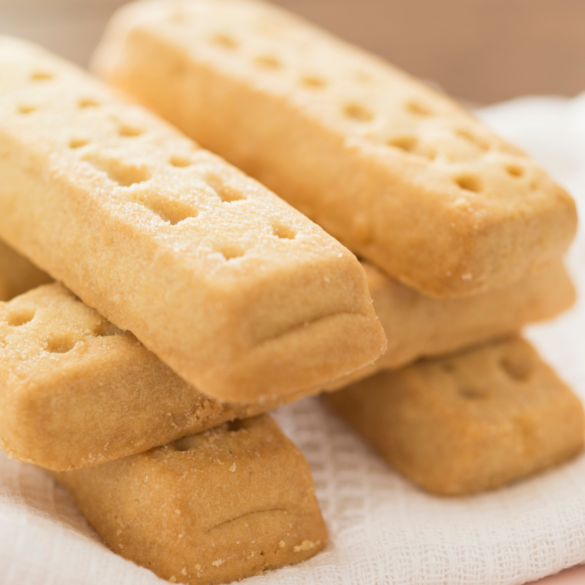
Jamie Oliver’s Shortbread is a buttery, crumbly baked biscuit made from flour, butter, and sugar, prepared in a simple homemade style typical of Jamie Oliver’s recipes.
Ingredients for Jamie Oliver’s Shortbread
This recipe makes a batch of rich, crumbly shortbread perfect for sharing (or not!).
- 250g plain flour (all-purpose flour)
- 75g caster sugar (fine sugar – substitute granulated sugar if needed, but avoid powdered sugar)
- 175g unsalted butter (cold, cut into small cubes)
Instructions:
- Set your oven to 150°C (300°F) and line a baking sheet or tray with parchment paper. The low baking temperature ensures a slow bake, keeping the shortbread soft and lightly golden, not browned.
- In a mixing bowl, sift the flour and add the caster sugar. Give it a quick mix to combine evenly.
- Add the cold, cubed butter to the flour-sugar mix. Using your fingertips (or a pastry cutter), rub the butter into the dry ingredients. The goal is to create a breadcrumb-like consistency.
- Tip: Work gently and quickly to avoid over-warming the butter, which could affect the crumbly texture.
- Once the mixture resembles breadcrumbs, begin pressing it together with your hands until it forms a soft dough. Avoid kneading—gentle handling is key for buttery shortbread.
- Lightly flour a clean surface and rolling pin. Roll the dough out to a thickness of about 1cm (½ inch), ensuring even thickness for consistent baking. Cut into desired shapes—traditional fingers, rounds, or quirky cookie cutters!
- Place the shortbread shapes onto the lined baking tray, leaving a slight gap between them. Using a fork, gently prick the surface of each piece (this prevents them from puffing up too much).
- Bake for 20–25 minutes or until the edges are pale golden. Keep an eye on them; shortbread shouldn’t brown heavily.
- Remove from the oven and let the shortbread cool on the tray for about 5 minutes before transferring to a wire rack to cool completely. It will firm up as it cools. Dust with a bit of extra caster sugar, if you like.
Tips for Perfect Shortbread
- If your dough becomes too soft while working with it, wrap it in cling film and refrigerate for 15–20 minutes to firm it up before rolling and cutting.
- Shortbread dough is delicate. Overworking it can lead to a tougher texture, so aim for a light touch.
- Since butter is the star ingredient in shortbread, its quality matters; opt for unsalted, high-fat butter for the best flavor.
- Store baked shortbread in an airtight container at room temperature for up to 1 week. They also freeze well—place them in a freezer-safe container and enjoy within 3 months.
What to serve with
Jamie Oliver’s shortbread is a timeless treat that pairs beautifully with a variety of beverages, toppings, and accompaniments, whether you’re enjoying it as a midday snack or serving it up for guests at a gathering.
1. Classic Beverage Pairings
Shortbread pairs wonderfully with hot and cold drinks that balance its richness:
- Tea: A quintessential pairing! A hot cup of English Breakfast tea or Earl Grey complements the buttery flavor of shortbread perfectly. Herbal teas like chamomile or mint can add a refreshing contrast.
- Coffee: If you’re a coffee lover, try pairing shortbread with a milky latte or cappuccino. The smooth coffee notes and creamy texture harmonize beautifully with the crumbly treat.
- Hot Chocolate: For a decadent twist, serve shortbread alongside a mug of rich, creamy hot chocolate. Add a sprinkle of sea salt or marshmallows to the cocoa for extra indulgence.
- Milk: A simple, cold glass of milk is a nostalgic favorite and pairs especially well with shortbread flavored with chocolate or citrus.
- Wine or Dessert Cocktails: For a sophisticated pairing, try shortbread with a sweet dessert wine like Moscato, or even a Baileys over ice for a creamy kick.
2. Toppings and Dips
Jamie Oliver’s shortbread is an excellent base for experimenting with toppings and dips. Consider the following ideas:
- Chocolate Sauce: Drizzle melted dark or milk chocolate over shortbread to add a rich layer of flavor.
- Fruit Preserves: Jam or marmalade (think strawberry, raspberry, or orange) adds a sweet, tangy note to the buttery base. For an artisanal vibe, pair with homemade preserves.
- Whipped Cream and Berries: Serve shortbread with dollops of whipped cream and fresh seasonal berries for a refreshing, light dessert.
- Caramel or Butterscotch Sauce: A warm drizzle of caramel or butterscotch adds indulgence to every bite.
- Lemon Curd: Lemon curd’s bright, zingy flavor creates the perfect contrast to the richness of shortbread.
- Nut Butters: Spread almond butter, peanut butter, or hazelnut spread over shortbread for a nutty, comforting twist.
Ingredients substitutes
Jamie Oliver’s shortbread recipe is refreshingly simple, consisting of just three main ingredients: plain flour, caster sugar, and unsalted butter.
1. Plain Flour Substitutes
Flour is the backbone of the shortbread’s structure. If you need to swap out plain (all-purpose) flour due to dietary restrictions or availability, here are some suitable alternatives:
a. Gluten-Free Options
- Gluten-Free All-Purpose Flour: Look for a pre-mixed blend labeled “gluten-free all-purpose,” which typically includes ingredients like rice flour and xanthan gum to mimic the structure of regular flour. This is the most straightforward substitute for plain flour.
- Rice Flour: Rice flour can replicate the crumbly texture of shortbread very well, and it’s widely used in traditional Scottish shortbread recipes. Replace it 1:1 with plain flour.
- Almond Flour: Almond flour adds nuttiness and richness to the shortbread. Note that it’s denser, so you may want to mix it with another gluten-free flour for better results.
b. Whole Grain or Alternative Flours
- Whole Wheat Flour: For a healthier twist, you can replace plain flour with whole wheat flour. The flavor will be slightly nuttier, and the texture may become a bit denser. (Use ½ whole wheat and ½ plain if you want to retain the lightness.)
- Spelt Flour: Spelt flour is a good option for a more wholesome, nutty flavor. It behaves similarly to regular flour, so it can also be swapped at a 1:1 ratio.
- Coconut Flour: Coconut flour has a naturally sweet flavor and absorbs liquid more than regular flour. You’ll need to reduce the amount used (start with ½ of the required amount) and consider adding an extra egg or liquid to avoid dryness.
2. Caster Sugar Substitutes
Castor sugar is a fine sugar that dissolves easily when mixed, helping achieve a smooth texture. If you don’t have it or prefer an alternative sweetener, try the following substitutes:
a. Granulated Sugar: Granulated sugar works as a substitute but has larger crystals, which might create a slightly grittier texture. You can pulse it in a blender or food processor for a few seconds to achieve a finer consistency similar to caster sugar.
b. Brown Sugar: Brown sugar adds a deeper flavor with caramel undertones. It works well for shortbread if you don’t mind a slightly softer texture. Note that dark brown sugar adds more moisture than light brown sugar.
c. Powdered Sugar (Icing Sugar): Powdered sugar can create an ultra-smooth texture. However, it may result in a softer dough, so handle it gently. You can use it as a direct substitute for caster sugar (1:1 ratio).
d. Natural Sweeteners
- Honey or Maple Syrup: These liquid sweeteners can add unique flavor notes to your shortbread. Reduce the amount slightly, as they are sweeter than sugar, and adjust the dry ingredients to compensate for the added moisture.
- Coconut Sugar: Coconut sugar is less refined and has a mild caramel-like flavor. Use it as a 1:1 substitute, though the dough may darken slightly.
- Stevia or Monk Fruit Sweeteners: For a sugar-free alternative, use stevia or monk fruit sweeteners. Both are sweeter than sugar, so read your product’s packaging for specific conversion ratios.
Final Thoughts
Jamie Oliver’s shortbread recipe is a celebration of simplicity at its best—just three basic ingredients come together to create something truly special.
More Baked Dishes:
Ingredients
- 250g plain flour (all-purpose flour)
- 75g caster sugar
- 175g unsalted butter (cold, cut into small cubes)
Instructions
- Set your oven to 150°C (300°F) and line a baking sheet or tray with parchment paper. The low baking temperature ensures a slow bake, keeping the shortbread soft and lightly golden, not browned.
- In a mixing bowl, sift the flour and add the caster sugar. Give it a quick mix to combine evenly.
- Add the cold, cubed butter to the flour-sugar mix. Using your fingertips (or a pastry cutter), rub the butter into the dry ingredients. The goal is to create a breadcrumb-like consistency.
- Tip: Work gently and quickly to avoid over-warming the butter, which could affect the crumbly texture.
- Once the mixture resembles breadcrumbs, begin pressing it together with your hands until it forms a soft dough. Avoid kneading—gentle handling is key for buttery shortbread.
- Lightly flour a clean surface and rolling pin. Roll the dough out to a thickness of about 1cm (½ inch), ensuring even thickness for consistent baking. Cut into desired shapes—traditional fingers, rounds, or quirky cookie cutters!
- Place the shortbread shapes onto the lined baking tray, leaving a slight gap between them. Using a fork, gently prick the surface of each piece (this prevents them from puffing up too much).
- Bake for 20–25 minutes or until the edges are pale golden. Keep an eye on them; shortbread shouldn't brown heavily.
- Remove from the oven and let the shortbread cool on the tray for about 5 minutes before transferring to a wire rack to cool completely. It will firm up as it cools. Dust with a bit of extra caster sugar, if you like.