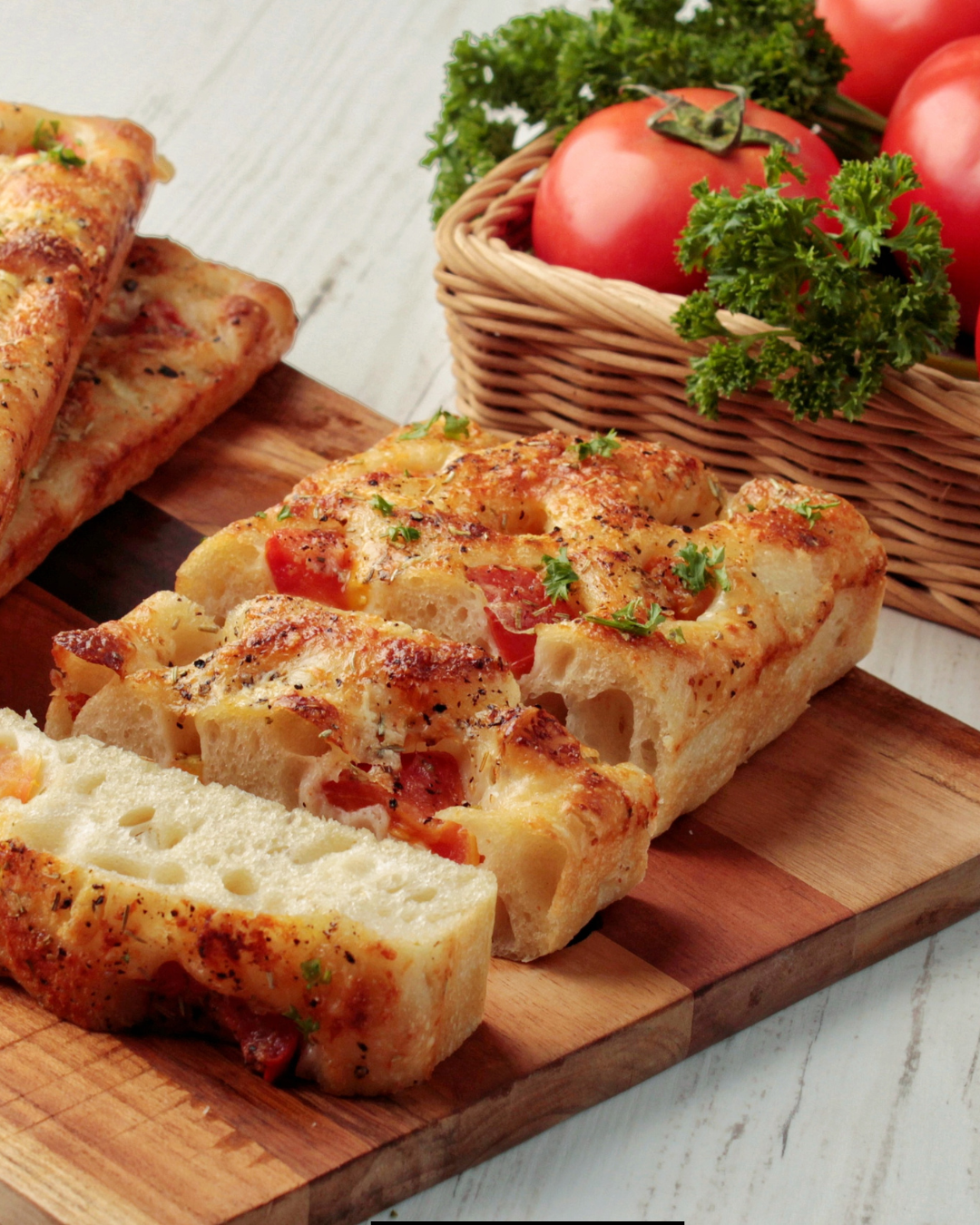
I’ve always admired Jamie Oliver’s approachable style of cooking. His recipes have this wonderful knack of blending ease with authenticity, and this Jamie Oliver’s Focaccia recipe is no exception. With its fluffy texture, golden crust, and a drizzle of olive oil perfection, this bread is a crowd-pleaser for everything from weekend dinners to casual snacking. And let’s not forget the sheer joy of dimpling the dough with your fingers—a tactile baking experience that’s oddly therapeutic!
Table of Contents
How to make Jamie Oliver’s Focaccia
Jamie Oliver’s focaccia is a rustic Italian-style flatbread recipe that he often prepares with simple pantry ingredients like flour, olive oil, sea salt, yeast, and fresh herbs such as rosemary.
Ingredients
For the Dough:
- 500g strong white bread flour (ideal for bread-making, as it has higher gluten content)
- 7g sachet of dried yeast (one sachet typically works for this recipe)
- ½ teaspoon sugar (helps activate the yeast)
- 300ml lukewarm water (warm to the touch, not hot, to help the yeast bloom)
- 2 tablespoons olive oil (plus extra for drizzling later)
- 1 teaspoon sea salt
Optional Toppings:
- Fresh rosemary sprigs
- Cherry tomatoes, halved
- Thinly sliced garlic
- Sea salt flakes
- Black olives
- A drizzle of olive oil (extra virgin for maximum flavor)
Instructions
Step 1: Prepare the Dough
- Activate the Yeast: In a small bowl, combine the dried yeast with the sugar and lukewarm water. Stir gently and let it rest for 5–10 minutes until frothy. This is a sign the yeast is active and ready to work. If no frothy bubbles appear, your yeast might have expired, so try again with fresh yeast.
- Mix Dry Ingredients: In a large mixing bowl, combine the bread flour and sea salt. Create a well in the center.
- Combine Wet and Dry Ingredients: Slowly pour your yeast mixture into the well, followed by 2 tablespoons of olive oil. Mix with a spoon or your hand until a dough begins to form.
Step 2: Knead and Rise
- Knead the Dough: Move the sticky dough onto a lightly floured surface, and knead it for about 10 minutes until it becomes smooth and elastic. This step plays an important role in developing the gluten structure for a fluffy focaccia!
- First Rise: Place the dough in a lightly oiled bowl and cover with a clean, damp kitchen towel (or cling film). Let it rise in a warm area for about an hour, or until it doubles in size.
Step 3: Shape and Proof
- Prep the Tray: Generously oil a baking tray (roughly 30 x 20 cm) or use a similar-sized ovenproof dish. Once the dough has risen, punch it down gently to deflate it.
- Shape the Dough: Transfer the dough to your prepared tray and stretch it out to roughly fill the surface. Don’t worry if it doesn’t fit perfectly—it’ll spread further as it proofs again.
- Final Proofing: Cover the tray and allow the dough to proof for another 30 minutes in a warm spot.
Step 4: Add Toppings and Bake
- Dimple the Dough: Once proofed, use your fingers to press deep dimples across the surface of the dough. This iconic step gives focaccia its signature look and helps the toppings cling to the bread.
- Dress the Dough: Drizzle a generous amount of olive oil over the top, ensuring it pools slightly in the dimples. Sprinkle sea salt flakes and add your toppings—rosemary, garlic, cherry tomatoes, olives, or whatever you prefer!
- Bake: Preheat your oven to 200°C (400°F). Bake the focaccia for 20–30 minutes, or until it’s golden brown and cooked through. If the edges start to brown too quickly, cover with foil midway through.
- Cool and Serve: Remove the focaccia from the oven and let it cool slightly on a wire rack. Slice it into squares and serve warm or at room temperature.
Tips for Making Perfect Focaccia
- Don’t Skip the Kneading: Kneading the dough helps activate the gluten, so don’t rush this step. A well-kneaded dough leads to that perfect airy texture.
- Temperature Matters: Proofing works best in a warm area, but avoid locations that are too hot (e.g., near a radiator), as this might dry out the dough.
- Experiment with Toppings: Traditional focaccia often uses rosemary and sea salt, but don’t be afraid to add your favorite flavors like caramelized onions, cheese, or sun-dried tomatoes.
- Use Good Olive Oil: Jamie Oliver’s focaccia relies heavily on olive oil for flavor. Invest in a high-quality extra virgin olive oil for the best results.
- Check Doneness: To avoid undercooked bread, gently tap the bottom of the focaccia after baking—it should sound hollow when properly cooked.
What to serve with
Jamie Oliver’s focaccia is not just a stand-alone delicious treat, but also a perfect accompaniment to many dishes. Its soft, fluffy interior and slightly crisp, golden exterior make it incredibly versatile.
- Olive Oil and Balsamic Vinegar: A classic Italian pairing! Create a shallow dish with high-quality extra virgin olive oil and a drizzle of balsamic vinegar. Add a pinch of sea salt and freshly ground black pepper for an elegant dipping sauce.
- Hummus: The creamy, nutty flavor of hummus contrasts beautifully with the salty, olive-oil-rich Jamie Oliver’s focaccia. Try classic chickpea hummus or experiment with roasted red pepper or sun-dried tomato varieties.
- Pesto: Basil pesto’s vibrant, herbaceous flavor is a winning combination with the savory notes of focaccia. You can also try sundried tomato pesto or a nutty walnut pesto for variety.
- Tapenades: Olive tapenade (a spread made with olives, capers, and anchovies) adds a rich, briny burst of Mediterranean flavor to every bite of your focaccia.
- Cheese Spreads: Serve it alongside whipped ricotta or a creamy garlic herb cheese spread for a luxurious treat.
Ingredients Substitutes
One of the great things about Jamie Oliver’s focaccia recipe is its simplicity, which makes it highly adaptable.
1. Substitutes for Bread Flour
Jamie’s recipe calls for strong white bread flour, which has a higher protein content (around 12–14%) compared to all-purpose flour, giving the focaccia its structured texture and chewiness.
Possible Substitutes:
- All-Purpose Flour: Easily available in most kitchens, all-purpose flour is a good substitute for bread flour. However, it has a lower protein content, so the focaccia might turn out slightly less chewy and structured. You can enhance the texture by adding 1–2 teaspoons of vital wheat gluten (if available).
- Whole Wheat Flour: For a healthier version, whole wheat flour can be used. Keep in mind that it will result in a denser and nuttier focaccia. Mixing whole wheat flour with bread or all-purpose flour (50:50 ratio) can help retain some fluffiness.
- Gluten-Free Flour: For those with gluten sensitivities, you can use a gluten-free flour blend designed for baking. Make sure the blend contains xanthan gum or guar gum to mimic the elasticity of gluten.
2. Substitutes for Yeast
Yeast is the leavening agent that gives focaccia its incredible rise and airy texture. If you don’t have yeast or need a substitute due to dietary preferences, here’s what you can use:
Possible Substitutes:
- Baking Powder and Baking Soda: You can create a quick focaccia-style bread by using chemical leavening agents like baking powder or baking soda. The bread won’t achieve the same airy texture as a yeast-based focaccia, but it will still taste good.
- Sourdough Starter: A sourdough starter can be used as a natural yeast substitute, adding depth and tangy flavor to the focaccia. However, using a sourdough starter requires advanced planning since the fermentation process takes significantly longer.
- Greek Yogurt and Self-Rising Flour (for no-yeast breads): You can mix Greek yogurt with self-rising flour for a cakey, quick dough that resembles focaccia. Don’t expect the same bread-like texture as a yeast-based recipe, but it’s a fast, tasty alternative.
3. Substitutes for Olive Oil
Olive oil plays a crucial role in focaccia, both in the dough and for drizzling on top. It contributes to the bread’s moisture and rich flavor.
Possible Substitutes:
- Vegetable Oil or Canola Oil: For a neutral-flavored oil option, you can use vegetable or canola oil in place of olive oil. These oils won’t mimic the depth of flavor but will maintain the bread’s texture.
- Avocado Oil: Avocado oil is a great substitute for olive oil because it has a slightly buttery flavor and performs well at high temperatures.
- Butter or Ghee: While butter or ghee will change the flavor profile slightly, they can add a rich and indulgent element to the focaccia. Melt the butter before mixing it into the dough.
- Coconut Oil (refined): Use refined coconut oil (not the extra virgin variety) for a neutral taste. Note that coconut oil solidifies at cooler temperatures, so warm it gently before use.
Final Thoughts
With its versatility, Jamie Oliver’s focaccia pairs beautifully with a wide variety of dishes.
More Baked Dishes:
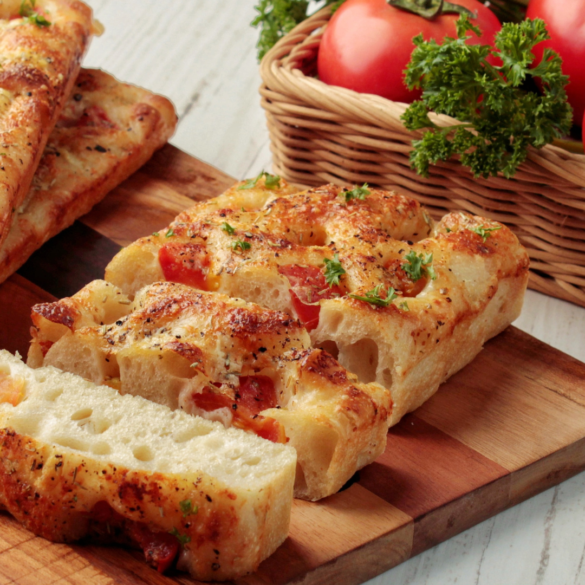
Ingredients
For the Dough:
- 500g strong white bread flour
- 7g sachet of dried yeast
- ½ teaspoon sugar (helps activate the yeast)
- 300ml lukewarm water
- 2 tablespoons olive oil
- 1 teaspoon sea salt
Optional Toppings:
- Fresh rosemary sprigs
- Cherry tomatoes, halved
- Thinly sliced garlic
- Sea salt flakes
- Black olives
- A drizzle of olive oil (extra virgin for maximum flavor)
Instructions
Step 1: Prepare the Dough
- Activate the Yeast: In a small bowl, combine the dried yeast with the sugar and lukewarm water. Stir gently and let it rest for 5–10 minutes until frothy. This is a sign the yeast is active and ready to work. If no frothy bubbles appear, your yeast might have expired, so try again with fresh yeast.
- Mix Dry Ingredients: In a large mixing bowl, combine the bread flour and sea salt. Create a well in the center.
- Combine Wet and Dry Ingredients: Slowly pour your yeast mixture into the well, followed by 2 tablespoons of olive oil. Mix with a spoon or your hand until a dough begins to form.
Step 2: Knead and Rise
- Knead the Dough: Move the sticky dough onto a lightly floured surface, and knead it for about 10 minutes until it becomes smooth and elastic. This step plays an important role in developing the gluten structure for a fluffy focaccia!
- First Rise: Place the dough in a lightly oiled bowl and cover with a clean, damp kitchen towel (or cling film). Let it rise in a warm area for about an hour, or until it doubles in size.
Step 3: Shape and Proof
- Prep the Tray: Generously oil a baking tray (roughly 30 x 20 cm) or use a similar-sized ovenproof dish. Once the dough has risen, punch it down gently to deflate it.
- Shape the Dough: Transfer the dough to your prepared tray and stretch it out to roughly fill the surface. Don’t worry if it doesn’t fit perfectly—it’ll spread further as it proofs again.
- Final Proofing: Cover the tray and allow the dough to proof for another 30 minutes in a warm spot.
Step 4: Add Toppings and Bake
- Dimple the Dough: Once proofed, use your fingers to press deep dimples across the surface of the dough. This iconic step gives focaccia its signature look and helps the toppings cling to the bread.
- Dress the Dough: Drizzle a generous amount of olive oil over the top, ensuring it pools slightly in the dimples. Sprinkle sea salt flakes and add your toppings—rosemary, garlic, cherry tomatoes, olives, or whatever you prefer!
- Bake: Preheat your oven to 200°C (400°F). Bake the focaccia for 20–30 minutes, or until it’s golden brown and cooked through. If the edges start to brown too quickly, cover with foil midway through.
- Cool and Serve: Remove the focaccia from the oven and let it cool slightly on a wire rack. Slice it into squares and serve warm or at room temperature.