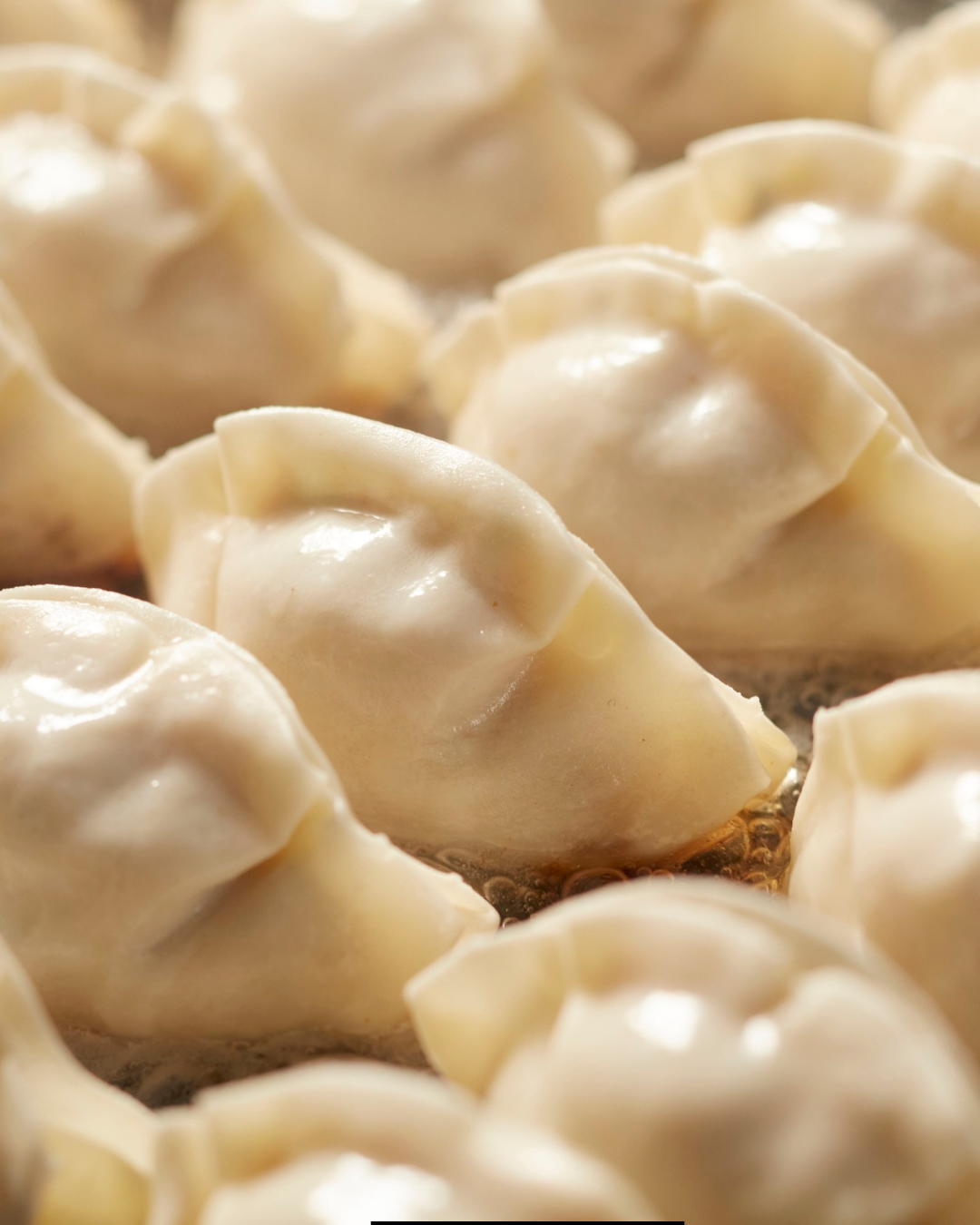
Jamie, as we all know, has a magic touch when it comes to transforming simple ingredients into something truly special. Jamie Oliver’s Dumplings is no exception—fluffy, flavorful, and irresistibly satisfying, they’re the perfect companion to a bubbling stew or soup.
Table of Contents
How to make Jamie Oliver’s Dumplings
Jamie Oliver’s dumplings are soft, dough-based balls that are typically cooked on top of a stew, soup, or casserole until they become light and fluffy inside with a slightly crisp exterior.
Ingredients
- 250g self-raising flour: Helps create a light and fluffy texture.
- 125g cold unsalted butter (grated) or 125g suet: Butter adds richness, while suet (traditional in dumpling recipes) gives the dough a slightly meaty undertone.
- A pinch of sea salt: Enhances overall flavor.
- Freshly ground black pepper: Adds a subtle warmth to the dumplings.
- 4–6 tablespoons cold water: To bring the dough together.
- Optional: Fresh chopped herbs (like parsley, rosemary, or thyme, approx. 1 handful): Herbs infuse a fragrant, earthy flavor into the dumplings.
Instructions
Step 1: Prepare Your Dough
- Mix the dry ingredients. In a large mixing bowl, combine 250g of self-raising flour with a pinch of sea salt and freshly ground black pepper.
- Add the fat. If using unsalted butter, grate it straight into the flour. This makes it easier to incorporate. Alternatively, stir in suet for a more traditional option. Rub the fat into the flour with your fingertips until the mixture resembles fine breadcrumbs.
- Incorporate the herbs (optional). At this stage, toss in your finely chopped fresh herbs if you’re adding them. It’s a lovely way to boost flavor that pairs beautifully with most stews.
- Add water. Gradually add cold water, 1 tablespoon at a time, mixing lightly with your hands or a spoon. Stop once the dough comes together and feels soft but not sticky. Be gentle—overworking the dough can make the dumplings dense.
Step 2: Shape Your Dumplings
- Roll into balls. Lightly flour your hands and divide the dough into equal-sized portions—roughly the size of golf balls. You should be able to make about 8–10 dumplings.
- Optional twist: For extra flavor, experiment by pressing small bits of grated cheese into the center of each dumpling before rolling them up.
Step 3: Cook the Dumplings
- Prepare your chosen dish. These dumplings are best cooked directly in a hot stew or soup. Make sure your pot is simmering gently but bubbling when you add the dumplings.
- Add the dumplings. Drop the dumplings straight into the stew or soup, ensuring they don’t touch each other so they have space to expand.
- Cook with the lid on. Cover the pot with a lid and let the dumplings steam and cook in the bubbling liquid for 25–30 minutes. They will puff up beautifully as they absorb the delicious flavors from the dish.
- Check for doneness. Once fully cooked, the dumplings should be soft, fluffy, and slightly golden on top.
Tips for Perfect Dumplings
- Cold ingredients are key. Using cold butter (or suet) and water helps keep the dough light and fluffy.
- Don’t overwork the dough. Mix it just until it comes together. Overmixing can make the Jamie Oliver’s Dumplings tough.
- Use fresh herbs for extra flavor. Parsley, rosemary, thyme, or even chives add a delightful touch. You can mix and match herbs depending on the type of dish you’re making.
- Experiment with flavors. Add a small handful of grated cheese like cheddar to the dough for cheesy dumplings, or try seasoning them with spices like paprika or garlic powder.
- Make sure your soup or stew is hot. Jamie Oliver’s Dumplings cook best in liquid that’s actively simmering. This ensures they puff up properly instead of becoming dense.
- Keep the lid on while cooking. Steaming is essential for soft, fluffy dumplings. Avoid peeking too often!
- Add them at the right time. Jamie Oliver’s Dumplings should go into your stew toward the end of the cooking process. They only need about 25–30 minutes to cook through.
Ingredients Substitutes
One of the great things about making dumplings is how flexible the recipe can be! If you don’t have all the ingredients on hand or need to cater to dietary preferences, there are plenty of substitutes that work just as well.
1. Flour Substitutes
The base of any dumpling recipe is flour, which gives structure and texture. Jamie Oliver uses self-raising flour for light and fluffy dumplings, but here are suitable alternatives if you’re out or need a different option:
a) Plain Flour + Baking Powder
Substitute Ratio: For every 1 cup of self-raising flour (120g), use 1 cup of plain flour + 2 teaspoons of baking powder.
Why it works: The baking powder acts as the leavening agent, replicating the fluffiness of self-raising flour.
b) Whole Wheat or Spelt Flour
Substitute Ratio: Replace self-raising flour with an equal amount of whole wheat or spelt flour, plus 2 teaspoons of baking powder.
Note: Dumplings may be slightly denser due to the higher fiber content.
c) Gluten-Free Flour
Best Option: Use a gluten-free all-purpose flour blend that contains xanthan gum or guar gum, as these help provide structure.
Add Baking Powder: If the gluten-free blend isn’t self-raising, add 2 teaspoons of baking powder per cup of flour.
Tip: Dumplings made with gluten-free flour may require slightly more liquid, as gluten-free flours tend to absorb more moisture.
2. Butter or Suet Alternatives
The fat in dumplings adds richness and ensures a tender, fluffy texture. Traditional recipes often use suet (a type of hard animal fat), but Jamie Oliver frequently uses butter for its accessibility. Here are some substitutes based on your needs:
a) Vegan Butter or Margarine (Vegan Option)
Ratio: Use the same quantity (e.g., 125g) as you would butter or suet.
Why it works: Vegan butter or margarine replicates the richness and tenderness of animal fats.
Tip: Choose unscented vegan alternatives to avoid overpowering the dish.
b) Olive Oil or Coconut Oil
Ratio: Replace butter or suet with 80% of the amount in liquid oils (e.g., if the recipe calls for 125g butter, use about 100ml oil).
Note: Oil-based dumplings may be slightly less fluffy but still tender.
Flavor Tip:
- Use olive oil for a Mediterranean twist.
- Use coconut oil for a milkier flavor (ensure it’s solid at room temperature for best results).
c) Shortening or Lard
Ratio: Use the same quantity as required for butter or suet.
Why it works: Shortening and lard offer a traditional richness similar to suet, often resulting in lighter dumplings.
d) Low-Fat Options (Greek Yogurt or Applesauce)
Ratio: Replace half the fat with Greek yogurt or applesauce.
Note: These alternatives make the dumplings slightly denser but are good low-fat substitutes if you’re watching your calories.
3. Liquid Substitutes
Liquid is used to bind the dough and hydrate the flour. Cold water is Jamie Oliver’s go-to, but changing the liquid can subtly alter the texture and flavor.
a) Milk
Best Use: Replace an equal amount of water with milk for creamier, softer dumplings.
Tip: Use full-fat milk for richer flavor, or plant-based milk (such as almond, oat, or soy) for a dairy-free alternative.
b) Stock or Broth
Why it works: Using chicken, vegetable, or beef stock instead of water infuses the dumplings with even more flavor, tying them to the stew they’re cooked in.
c) Buttermilk
Why it works: Buttermilk adds acidity, making dumplings tangier and even fluffier while enhancing flavor.
Ratio: Use the same amount of buttermilk as water, but reduce the baking powder by half because buttermilk is an acidic ingredient that may otherwise cause the dough to over-rise.
Final Thoughts
Jamie Oliver’s dumplings are wonderfully versatile, making them perfect for an array of meals.
More Recipes:
Ingredients
- 250g self-raising flour: Helps create a light and fluffy texture.
- 125g cold unsalted butter (grated) or 125g suet
- A pinch of sea salt: Enhances overall flavor.
- Freshly ground black pepper
- 4–6 tablespoons cold water: To bring the dough together.
- Optional: Fresh chopped herbs (like parsley, rosemary)
Instructions
Step 1: Prepare Your Dough
- Mix the dry ingredients. In a large mixing bowl, combine 250g of self-raising flour with a pinch of sea salt and freshly ground black pepper.
- Add the fat. If using unsalted butter, grate it straight into the flour. This makes it easier to incorporate. Alternatively, stir in suet for a more traditional option. Rub the fat into the flour with your fingertips until the mixture resembles fine breadcrumbs.
- Incorporate the herbs (optional). At this stage, toss in your finely chopped fresh herbs if you’re adding them. It’s a lovely way to boost flavor that pairs beautifully with most stews.
- Add water. Gradually add cold water, 1 tablespoon at a time, mixing lightly with your hands or a spoon. Stop once the dough comes together and feels soft but not sticky. Be gentle—overworking the dough can make the dumplings dense.
Step 2: Shape Your Dumplings
- Roll into balls. Lightly flour your hands and divide the dough into equal-sized portions—roughly the size of golf balls. You should be able to make about 8–10 dumplings.
- Optional twist: For extra flavor, experiment by pressing small bits of grated cheese into the center of each dumpling before rolling them up.
Step 3: Cook the Dumplings
- Prepare your chosen dish. These dumplings are best cooked directly in a hot stew or soup. Make sure your pot is simmering gently but bubbling when you add the dumplings.
- Add the dumplings. Drop the dumplings straight into the stew or soup, ensuring they don’t touch each other so they have space to expand.
- Cook with the lid on. Cover the pot with a lid and let the dumplings steam and cook in the bubbling liquid for 25–30 minutes. They will puff up beautifully as they absorb the delicious flavors from the dish.
- Check for doneness. Once fully cooked, the dumplings should be soft, fluffy, and slightly golden on top.