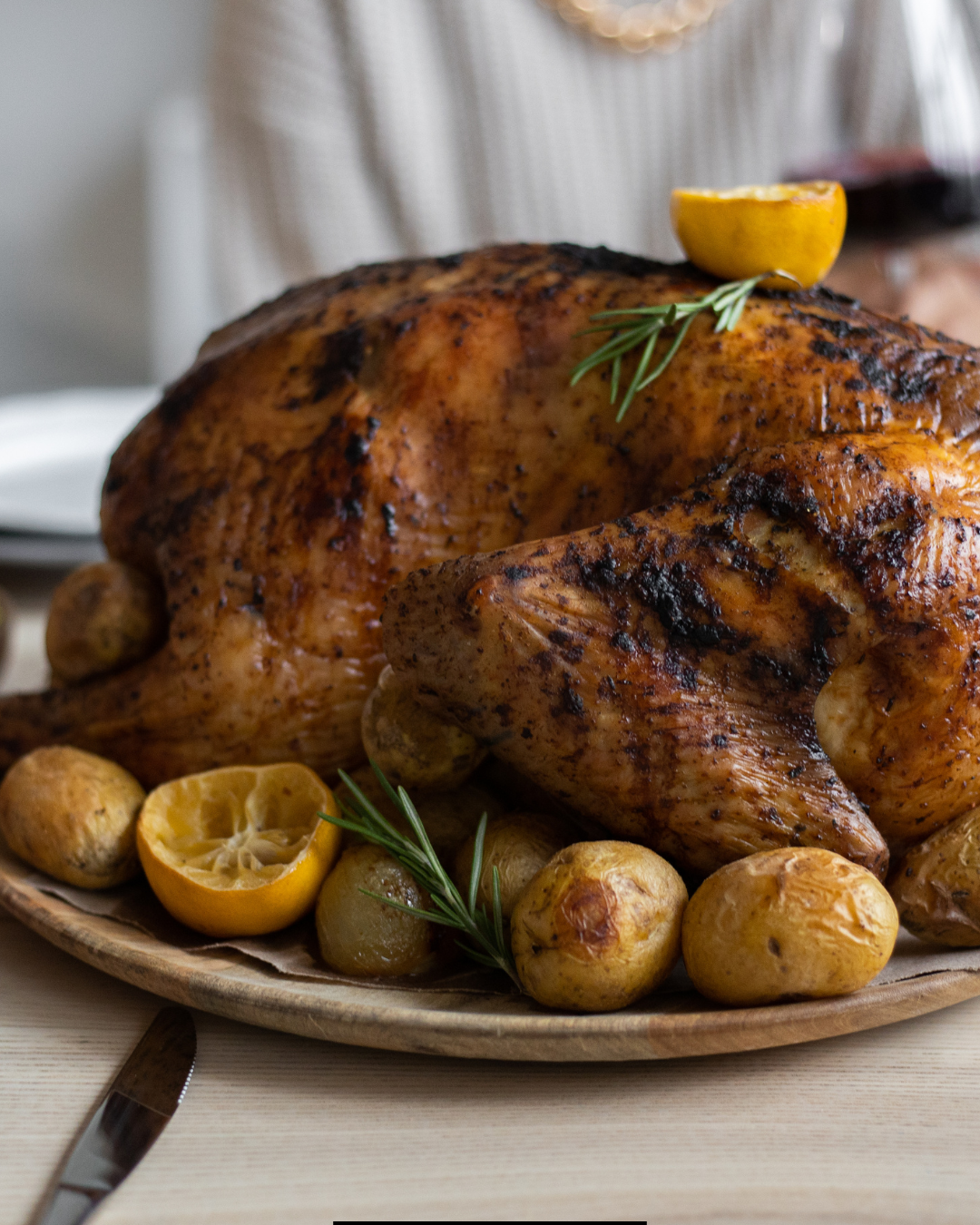
Jamie Oliver’s Christmas Turkey recipe is a beautifully crafted masterpiece that captures the spirit of tradition while making your life so much easier in the kitchen.
Table of Contents
How to make Jamie Oliver’s Christmas Turkey
Jamie Oliver’s Christmas turkey is a festive roast turkey dish prepared in Jamie Oliver’s signature style for Christmas celebrations.
Ingredients
For the Turkey:
- 1 whole turkey (about 5-6 kg, or adjust based on your guest count)
- 2 onions, peeled and halved
- 2 carrots, roughly chopped
- 2 celery sticks, roughly chopped
- A handful of fresh herbs (e.g., rosemary, thyme, and sage)
- 1 bulb of garlic, halved
- Olive oil or softened butter
- Sea salt and freshly ground black pepper
For the Stuffing (Optional but highly recommended):
- 300g of pork mince (or sausage meat)
- 75g fresh breadcrumbs
- 1 onion, finely chopped
- 3 dried apricots, finely diced (optional, for sweetness)
- A handful of fresh sage leaves, chopped
- Zest of 1 lemon
- 1 egg, beaten
- Salt and pepper to taste
For Basting:
- 100g unsalted butter
- 4 slices of smoked streaky bacon (optional)
- 1–2 sprigs of fresh rosemary
For the Gravy:
- Turkey giblets (optional, for added flavor)
- 1 tablespoon plain flour
- 500ml chicken or turkey stock
- 1 splash of red wine (optional but ideal for depth)
Instructions
1. Prepare Your Turkey
- Preheat your oven to 180°C (350°F) or 160°C (320°F) fan-forced, and ensure the turkey is at room temperature before cooking.
- Remove the turkey giblets (if included) and save them for the gravy.
- Carefully lift the turkey’s skin over the breast meat. Rub softened butter (or olive oil) under the skin and across the entire turkey to lock in moisture during roasting. Season generously with salt and pepper.
2. Make the Stuffing
- In a large bowl, mix the pork mince, breadcrumbs, onion, apricots (if using), fresh sage, lemon zest, beaten egg, salt, and pepper. Mix until well combined.
- Stuff the turkey cavity with the mixture, or roll it into balls to cook separately.
3. Prepare the Roasting Tray
- In a large roasting tray, scatter the onions, carrots, celery, and garlic halves to act as a trivet for the turkey as it roasts.
- Place the turkey on top of the vegetables, breast-side up.
4. Roast the Turkey
- Cover the turkey loosely with aluminum foil, ensuring the foil doesn’t touch the skin. This will help the turkey stay moist.
- Roast the turkey in the preheated oven. As a general guide, cook for 35 minutes per kg (2.2 lbs), plus an additional 20 minutes. For example:
- A 5-kg turkey would cook for approximately 3 hours.
- About 45 minutes before the cooking time ends, remove the foil to allow the turkey skin to crisp up and turn golden-brown. At this stage, you can add the smoked bacon slices and rosemary sprigs on top for additional flavor.
5. Check and Rest
- Use a meat thermometer to ensure the thickest part of the turkey (between the leg and breast) reaches 70°C (160°F).
- Once cooked, transfer the turkey to a large platter or board, cover it in foil, and lay a clean tea towel over the top to keep it warm. Let it rest for 30-40 minutes to allow the juices to redistribute.
6. Make the Gravy
- While the turkey rests, remove the roasted vegetables and herbs from the tray, leaving behind the flavorful drippings.
- Place the tray over medium heat and stir in 1 tablespoon of plain flour, scraping up all the caramelized bits.
- Gradually whisk in the stock, red wine (if using), and any turkey juices from the resting platter. Simmer until thickened.
- Strain the gravy into a jug or serving bowl.
Jamie’s Pro Tips for Success
- For an extra-juicy Jamie Oliver’s Christmas Turkey, consider brining it the night before using a saltwater solution with herbs, spices, and citrus. This step adds flavor and locks in moisture.
- If you prefer, cook the stuffing separately for more even cooking. Form it into balls and bake on a tray for the last 30 minutes of the turkey roasting process.
- Resting the turkey is vital. It allows the meat fibers to relax and absorb the juices for maximum tenderness.
- You can prepare the stuffing, gravy base, and vegetable trivet the day before to save time on Christmas Day.
- If you need to reheat the turkey, cover it with foil and warm it in a low oven to retain moisture.
Ingredients Substitutes
Cooking a Jamie Oliver’s Christmas Turkey is already a big endeavor, but what if you’re missing a key ingredient or catering to dietary preferences? Not to worry — one of the brilliant things about Jamie Oliver’s recipes is that they’re adaptable.
1. Turkey Substitutes
If turkey doesn’t suit your occasion, appetite, or availability, there are lots of alternatives to consider.
Substitutes:
- Chicken: A large, whole chicken is a great stand-in for smaller gatherings. Use the same seasonings and follow a reduced cooking time (approximately 1 hour and 30 minutes for an average 2kg chicken).
- Duck or Goose: For a more indulgent and flavorful bird, roast duck or goose provides a rich, luxurious option. Adjust the roasting time based on the size of the bird, and remember that these options have a higher fat content.
- Turkey Crown: If you’re cooking for a smaller crowd, a turkey breast crown (just the breast on the bone) is a great alternative. It cooks faster and is easy to carve.
- Plant-Based Roasts: For vegetarian or vegan guests, many brands now offer plant-based “turkey roasts” made from seitan, tofu, or lentils. Treat these with the same care by rubbing them with herbs and placing them on a bed of roasted veg.
2. Butter Substitutes
Butter is crucial for keeping the turkey moist and adding flavor, but there are many alternatives if you need to swap it out.
Substitutes:
- Olive Oil: Use high-quality olive oil instead of butter for a healthier and dairy-free option. It works well when rubbed under the skin of the turkey.
- Vegan Butter or Margarine: Perfect for those avoiding dairy or animal products. Look for a neutral-flavored version to avoid overpowering the turkey.
- Goose Fat or Duck Fat: Adds incredible flavor (especially in the crisping of the skin) but is not suitable for vegetarians.
- Coconut Oil: This is a creative substitute, but make sure to use refined coconut oil to avoid any strong coconut aftertaste.
3. Stuffing Substitutes
Jamie’s stuffing recipe uses pork mince with breadcrumbs, but there are plenty of variations based on diet and preference.
Substitutes for Pork Mince:
- Sausage Meat: A convenient alternative packed with seasoning. Just squeeze the filling out of your favorite sausages.
- Turkey or Chicken Mince: For a lighter option, opt for ground poultry instead of pork.
- Beef or Lamb Mincemeat: This adds a deeper, richer flavor, which works well with earthy herbs like rosemary and thyme.
- Vegetarian/Vegan Substitute: Use a plant-based mince (like lentils, mushrooms, or pre-made meat alternatives). Pulses like cooked chickpeas or black beans mashed with breadcrumbs can also provide a meaty texture.
Substitutes for Breadcrumbs:
- Gluten-Free Breadcrumbs: Great for those avoiding gluten.
- Crushed Crackers or Tortilla Chips: Ideal if you’re short on breadcrumbs.
- Ground Nuts or Seeds: Almond meal, crushed walnuts, or sunflower seeds can provide a nutty crunch.
- Rice or Quinoa: Cooked grains work as a gluten-free, nut-free option for stuffing.
Sweet Additions:
If dried apricots aren’t on hand, try these alternatives:
- Raisins, dried cranberries, chopped dates, dried cherries, or figs.
4. Herb Substitutes
Jamie Oliver’s Christmas Turkey recipe includes rosemary, thyme, sage, and bay leaves, but what if you can’t find any?
Substitutes:
- Dried Herbs: If fresh herbs aren’t available, dried versions work just as well (use about ⅓ of the amount since dried herbs are more concentrated).
- Oregano, Tarragon, or Marjoram: These can replace rosemary or thyme, providing similar aromatic flavors.
- Parsley or Basil: Work great as fresh herb substitutes in milder-flavored recipes.
- Herb Blends: Pre-mixed poultry seasoning or Italian herbs can simplify things.
- Zest (Lemon or Orange): Adds a bright, citrusy note to compensate for missing fresh herbs.
5. Vegetable Trivet Substitutes
Jamie Oliver’s Christmas Turkey recipe calls for onions, carrots, and celery to create a bed for roasting and flavor-infusing the turkey.
Substitutes:
- Leeks: A fantastic substitute for onions, with a slightly milder flavor.
- Parsnips, Sweet Potatoes, or Squash: Add a sweeter, heartier touch in place of carrots.
- Fennel: Brings an anise-like flavor if celery isn’t available.
- Root Vegetables or Potatoes: Use whatever starchy veg you have on hand—they’ll absorb the turkey juices beautifully.
Final Thoughts
Jamie Oliver’s Christmas Turkey is so much more than just the main event — when paired with these perfectly curated sides, it transforms into an unforgettable celebration.
More Recipes:
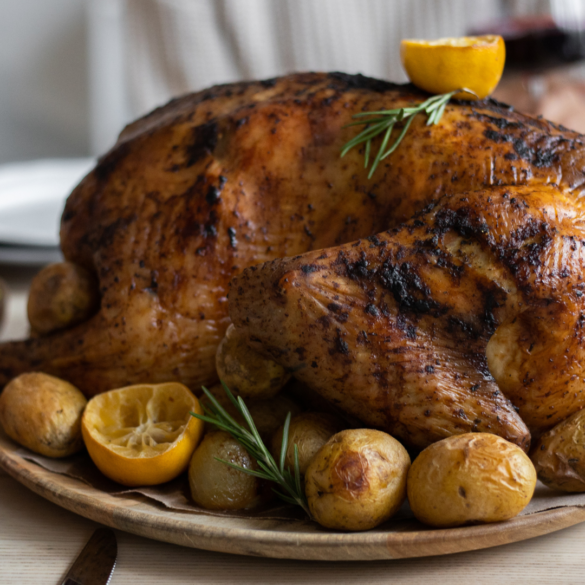
Ingredients
For the Turkey:
- 1 whole turkey (about 5-6 kg, or adjust based on your guest count)
- 2 onions, peeled and halved
- 2 carrots, roughly chopped
- 2 celery sticks, roughly chopped
- A handful of fresh herbs (e.g., rosemary, thyme, and sage)
- 1 bulb of garlic, halved
- Olive oil or softened butter
- Sea salt and freshly ground black pepper
For the Stuffing (Optional but highly recommended):
- 300g of pork mince (or sausage meat)
- 75g fresh breadcrumbs
- 1 onion, finely chopped
- 3 dried apricots, finely diced (optional, for sweetness)
- A handful of fresh sage leaves, chopped
- Zest of 1 lemon
- 1 egg, beaten
- Salt and pepper to taste
For Basting:
- 100g unsalted butter
- 4 slices of smoked streaky bacon (optional)
- 1–2 sprigs of fresh rosemary
For the Gravy:
- Turkey giblets (optional, for added flavor)
- 1 tablespoon plain flour
- 500ml chicken or turkey stock
- 1 splash of red wine (optional but ideal for depth)
Instructions
1. Prepare Your Turkey
- Preheat your oven to 180°C (350°F) or 160°C (320°F) fan-forced, and ensure the turkey is at room temperature before cooking.
- Remove the turkey giblets (if included) and save them for the gravy.
- Carefully lift the turkey’s skin over the breast meat. Rub softened butter (or olive oil) under the skin and across the entire turkey to lock in moisture during roasting. Season generously with salt and pepper.
2. Make the Stuffing
- In a large bowl, mix the pork mince, breadcrumbs, onion, apricots (if using), fresh sage, lemon zest, beaten egg, salt, and pepper. Mix until well combined.
- Stuff the turkey cavity with the mixture, or roll it into balls to cook separately.
3. Prepare the Roasting Tray
- In a large roasting tray, scatter the onions, carrots, celery, and garlic halves to act as a trivet for the turkey as it roasts.
- Place the turkey on top of the vegetables, breast-side up.
4. Roast the Turkey
- Cover the turkey loosely with aluminum foil, ensuring the foil doesn’t touch the skin. This will help the turkey stay moist.
- Roast the turkey in the preheated oven. As a general guide, cook for 35 minutes per kg (2.2 lbs), plus an additional 20 minutes. For example:
- A 5-kg turkey would cook for approximately 3 hours.
- About 45 minutes before the cooking time ends, remove the foil to allow the turkey skin to crisp up and turn golden-brown. At this stage, you can add the smoked bacon slices and rosemary sprigs on top for additional flavor.
5. Check and Rest
- Use a meat thermometer to ensure the thickest part of the turkey (between the leg and breast) reaches 70°C (160°F).
- Once cooked, transfer the turkey to a large platter or board, cover it in foil, and lay a clean tea towel over the top to keep it warm. Let it rest for 30-40 minutes to allow the juices to redistribute.
6. Make the Gravy
- While the turkey rests, remove the roasted vegetables and herbs from the tray, leaving behind the flavorful drippings.
- Place the tray over medium heat and stir in 1 tablespoon of plain flour, scraping up all the caramelized bits.
- Gradually whisk in the stock, red wine (if using), and any turkey juices from the resting platter. Simmer until thickened.
- Strain the gravy into a jug or serving bowl.