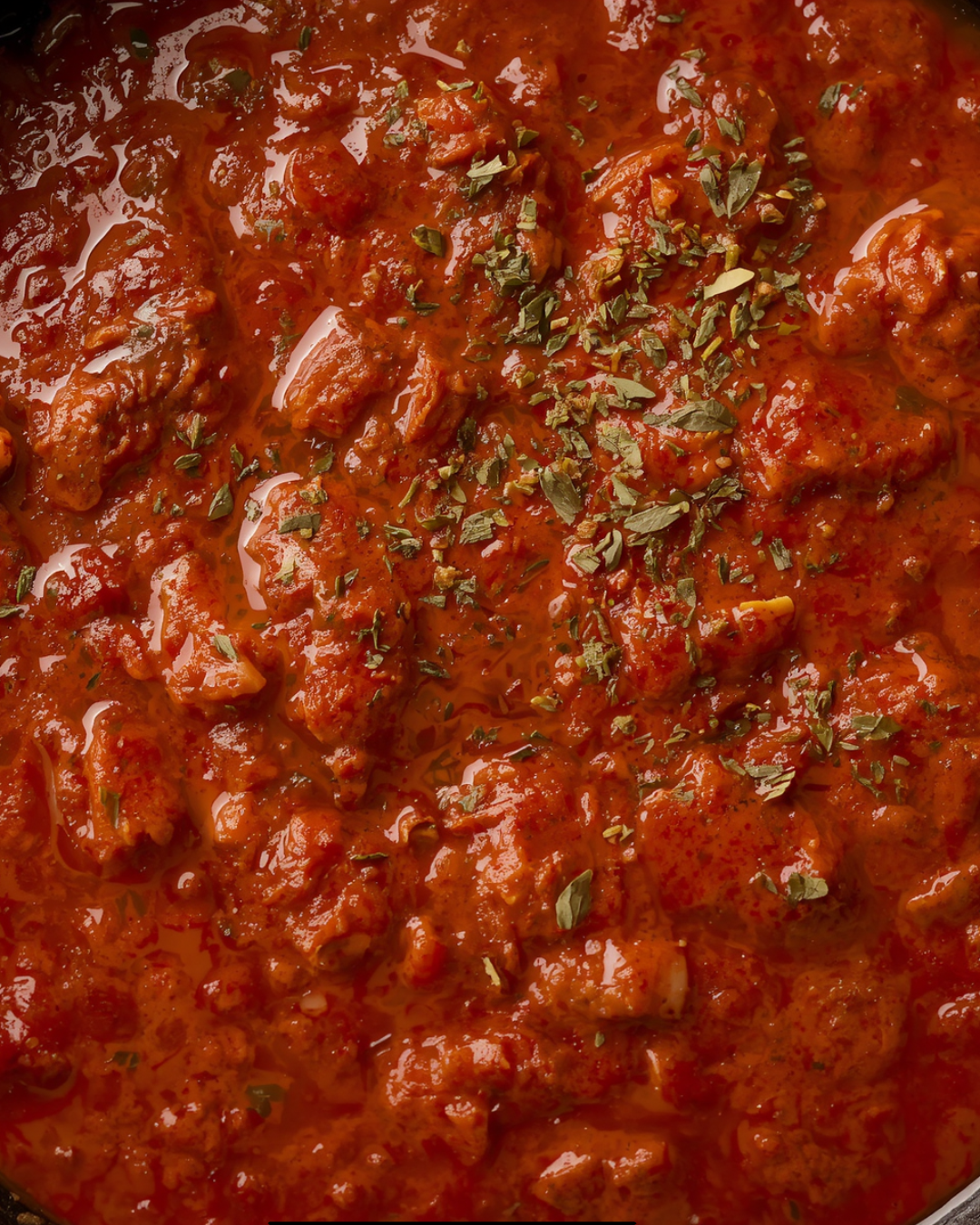
What I love about Jamie Oliver’s Spaghetti Bolognese Sauce is its focus on real, wholesome ingredients. With a base of aromatic veggies, slow-cooked meat, tomatoes, and even a dash of red wine, every bite is layered with flavor. Plus, his little twists, like the addition of fresh rosemary or oven-cooking for extra depth, make this recipe truly unique.
Table of Contents
How to make Jamie Oliver’s Spaghetti Bolognese Sauce
Jamie Oliver’s Spaghetti Bolognese sauce is his take on the classic Italian meat sauce (ragù), made to be rich, slow-cooked, and full of deep, comforting flavor. It’s inspired by traditional Italian cooking but often includes his signature twists—extra veggies, herbs, and a more relaxed, home-cook-friendly approach.
Ingredients
- 2 tablespoons olive oil (extra virgin is best)
- 1 onion, finely chopped
- 2 carrots, peeled and finely chopped
- 2 sticks of celery, finely chopped
- 4 cloves of garlic, minced
- 100g smoked bacon or pancetta, finely diced
- 500g minced beef (or a beef-pork mixture for extra richness)
- 2 sprigs of fresh rosemary, finely chopped
- 1 small glass of red wine (about 150ml, optional but recommended)
- 2 x 400g cans of plum tomatoes (or use chopped tomatoes)
- 200ml of vegetable or beef stock
- A pinch of sea salt and freshly ground black pepper
Instructions
Follow these simple steps to create a deliciously layered Bolognese sauce.
Step 1: Prep the Vegetables
- Start by finely chopping your onion, carrot, celery, and garlic. The key is uniformity—this helps the veggies melt into the sauce and add sweetness.
- Dice your smoked bacon or pancetta into small pieces.
Step 2: Build the Flavor Base
- Heat olive oil in a large, deep frying pan or saucepan over medium heat.
- Add the onion, carrot, celery, and garlic, cooking gently for about 10 minutes until softened. Stir often to prevent sticking.
- Add the diced bacon/pancetta, frying for an additional 5 minutes until it crisps slightly and releases its smoky flavor.
Step 3: Brown the Meat
- Turn the heat up slightly and add the minced beef (or beef-pork mixture).
- Use a wooden spoon to break up the meat as you cook, ensuring it browns evenly.
- Cook for about 8–10 minutes, or until the meat begins to caramelize and develop a golden color.
Step 4: Add Herbs and Wine
- Sprinkle in the freshly chopped rosemary and stir well to combine. The rosemary adds a fragrant, earthy flavor to the sauce.
- Pour in the red wine if you’re using it, letting it bubble away until most of the liquid has evaporated (about 3–4 minutes). This step enhances the meat’s depth of flavor.
Step 5: Add Tomatoes and Stock
- Crush or roughly chop the plum tomatoes before adding them to the pan. Stir to combine.
- Pour in the vegetable or beef stock to help loosen the sauce. Mix well.
Step 6: Simmer and Slow Cook
- Lower the heat to a gentle simmer, and let the sauce cook uncovered for 45 minutes to an hour, stirring occasionally.
- The longer you simmer, the richer and darker the sauce will become as the flavors meld together. If the sauce begins to dry out, add a splash of water or stock.
Tips for Making Jamie Oliver’s Spaghetti Bolognese Sauce
- Use Quality Ingredients: Opt for high-quality ground beef, fresh rosemary, and ripe canned tomatoes to elevate the dish.
- Layer Flavor Gradually: Take your time with each step, from softening the veggies to browning the meat thoroughly. These layers of flavor make the Jamie Oliver’s Spaghetti Bolognese Sauce irresistible.
- Don’t Rush the Simmering: Slow-cooked Bolognese brings out the best flavors. The longer you cook it, the better it tastes—so be patient!
- Adapt to Your Preferences: Jamie often adds his own twist to recipes. If you’re feeling adventurous, try adding a dash of Worcestershire sauce, pale ale (for a British spin), or even finely chopped spinach for extra nutrients.
Ingredients Substitutes
Jamie Oliver’s Spaghetti Bolognese Sauce is incredibly versatile, and you can easily adapt it to suit your dietary preferences, ingredient availability, or nutritional needs.
1. Olive Oil
Substitute Options:
- Vegetable oil or canola oil: Works well as a neutral replacement, though it lacks the distinct flavor of olive oil.
- Butter: Adds richness to the base but should be used sparingly to avoid making the dish overly heavy.
- Coconut oil: While unconventional, refined coconut oil can be used, but it may slightly alter the dish’s flavor.
2. Onion
Substitute Options:
- Shallots: These have a milder, sweeter flavor and can work well as a one-to-one substitute.
- Leeks: Use the white and light green parts only; they add a subtle onion-like flavor.
- Scallions (green onions): Only use the white parts for cooking. They’re less pungent but still work in a pinch.
3. Carrots
Substitute Options:
- Parsnips: Similar in sweetness, they’re a great alternative but have a slightly earthier flavor.
- Sweet potato (grated or finely chopped): Adds sweetness and a similar texture to carrots.
- Zucchini: While it’s less sweet than carrots, it adds bulk to the sauce and softens nicely during cooking.
4. Celery
Substitute Options:
- Fennel (finely diced): This adds a subtle anise-like flavor, which complements the sauce.
- Green bell pepper: While not traditional, it provides some crunch and works as a filler.
- Zucchini or additional carrot: Another option for added bulk in place of celery.
5. Garlic
Substitute Options:
- Garlic powder or granules: Use 1/4 teaspoon for each clove of garlic.
- Shallots (finely chopped): Offer a softer garlic undertone.
- Onion powder: Use sparingly to enhance flavor when fresh garlic isn’t an option.
6. Smoked Bacon or Pancetta
Substitute Options:
- Turkey bacon: A lower-fat alternative that still provides a smoky flavor.
- Chorizo (finely diced): Adds both smokiness and spice, giving the sauce a unique twist.
- Diced mushrooms: For a vegetarian substitution, mushrooms mimic the umami richness provided by bacon.
- Beef or pork sausage (crumbled): Adds extra depth of flavor to the dish.
7. Minced Beef (or Beef-Pork Mix)
Substitute Options:
- Chicken or turkey mince: A lighter, leaner alternative to beef.
- Lentils (brown or green): For a plant-based version, cooked lentils provide a hearty texture.
- Crumbled tofu (seasoned): Mimics the texture of ground meat in vegetarian or vegan versions.
- Mushroom and walnut mixture: Finely chopped mushrooms and walnuts combined can replicate the umami and texture of beef.
- Plant-based ground meat (store-bought): Many brands offer excellent vegan ground meat substitutes.
8. Fresh Rosemary
Substitute Options:
- Dried rosemary: Use 1 teaspoon dried for every 2 sprigs of fresh rosemary.
- Thyme (fresh or dried): Offers a slightly different herbal note but complements the sauce beautifully.
- Mixed Italian herbs: A good blend will include rosemary and other complementary herbs.
9. Red Wine
Substitute Options:
- Beef stock: Provides a similar depth of flavor without the alcohol.
- Balsamic vinegar: Use 1 tablespoon, as it mimics the tangy richness of wine.
- Pomegranate juice: Adds the acidity and fruitiness similar to red wine.
- Grape juice or cranberry juice (unsweetened): Mimics the fruity undertones of red wine.
- Skip it altogether: If necessary, use additional stock or water.
10. Canned Tomatoes
Substitute Options:
- Fresh tomatoes (blanched, peeled, and chopped): Use about 6 large ripe tomatoes for every two 400g cans.
- Crushed tomato puree or passata: These provide a smoother texture but work well as a substitute.
- Tomato paste with added water: Dilute tomato paste with water to achieve the consistency of canned tomatoes.
- Roasted red bell peppers (blended): If tomatoes are unavailable, roasted peppers can provide a smoky, sweet base.
11. Vegetable or Beef Stock
Substitute Options:
- Chicken stock: Works well but provides a slightly lighter flavor.
- Mushroom stock: Great for enhancing umami flavors, especially in vegetarian versions.
- Water with a splash of soy sauce or Worcestershire sauce: Adds a touch of savory flavor to replace stock.
12. Parmesan Cheese
Substitute Options:
- Pecorino Romano: Saltier and sharper than Parmesan, but works perfectly as a topping.
- Grana Padano: A milder alternative, still rich and nutty.
- Nutritional yeast: A vegan option that mimics Parmesan’s umami and cheesy flavor.
- Crumbled feta (for a twist): While unconventional, it adds creaminess and tang.
Final Thoughts
Jamie Oliver’s Spaghetti Bolognese Sauce is the ultimate comfort food, delivering big flavors with minimal fuss.
More Jamie Oliver Recipes:
Ingredients
- 2 tablespoons olive oil (extra virgin is best)
- 1 onion, finely chopped
- 2 carrots, peeled and finely chopped
- 2 sticks of celery, finely chopped
- 4 cloves of garlic, minced
- 100g smoked bacon or pancetta, finely diced
- 500g minced beef (
- 2 sprigs of fresh rosemary, finely chopped
- 1 small glass of red wine
- 2 x 400g cans of plum tomatoes
- 200ml of vegetable or beef stock
- A pinch of sea salt and freshly ground black pepper
Instructions
Step 1: Prep the Vegetables
- Start by finely chopping your onion, carrot, celery, and garlic. The key is uniformity—this helps the veggies melt into the sauce and add sweetness.
- Dice your smoked bacon or pancetta into small pieces.
Step 2: Build the Flavor Base
- Heat olive oil in a large, deep frying pan or saucepan over medium heat.
- Add the onion, carrot, celery, and garlic, cooking gently for about 10 minutes until softened. Stir often to prevent sticking.
- Add the diced bacon/pancetta, frying for an additional 5 minutes until it crisps slightly and releases its smoky flavor.
Step 3: Brown the Meat
- Turn the heat up slightly and add the minced beef (or beef-pork mixture).
- Use a wooden spoon to break up the meat as you cook, ensuring it browns evenly.
- Cook for about 8–10 minutes, or until the meat begins to caramelize and develop a golden color.
Step 4: Add Herbs and Wine
- Sprinkle in the freshly chopped rosemary and stir well to combine. The rosemary adds a fragrant, earthy flavor to the sauce.
- Pour in the red wine if you’re using it, letting it bubble away until most of the liquid has evaporated (about 3–4 minutes). This step enhances the meat’s depth of flavor.
Step 5: Add Tomatoes and Stock
- Crush or roughly chop the plum tomatoes before adding them to the pan. Stir to combine.
- Pour in the vegetable or beef stock to help loosen the sauce. Mix well.
Step 6: Simmer and Slow Cook
- Lower the heat to a gentle simmer, and let the sauce cook uncovered for 45 minutes to an hour, stirring occasionally.
- The longer you simmer, the richer and darker the sauce will become as the flavors meld together. If the sauce begins to dry out, add a splash of water or stock.