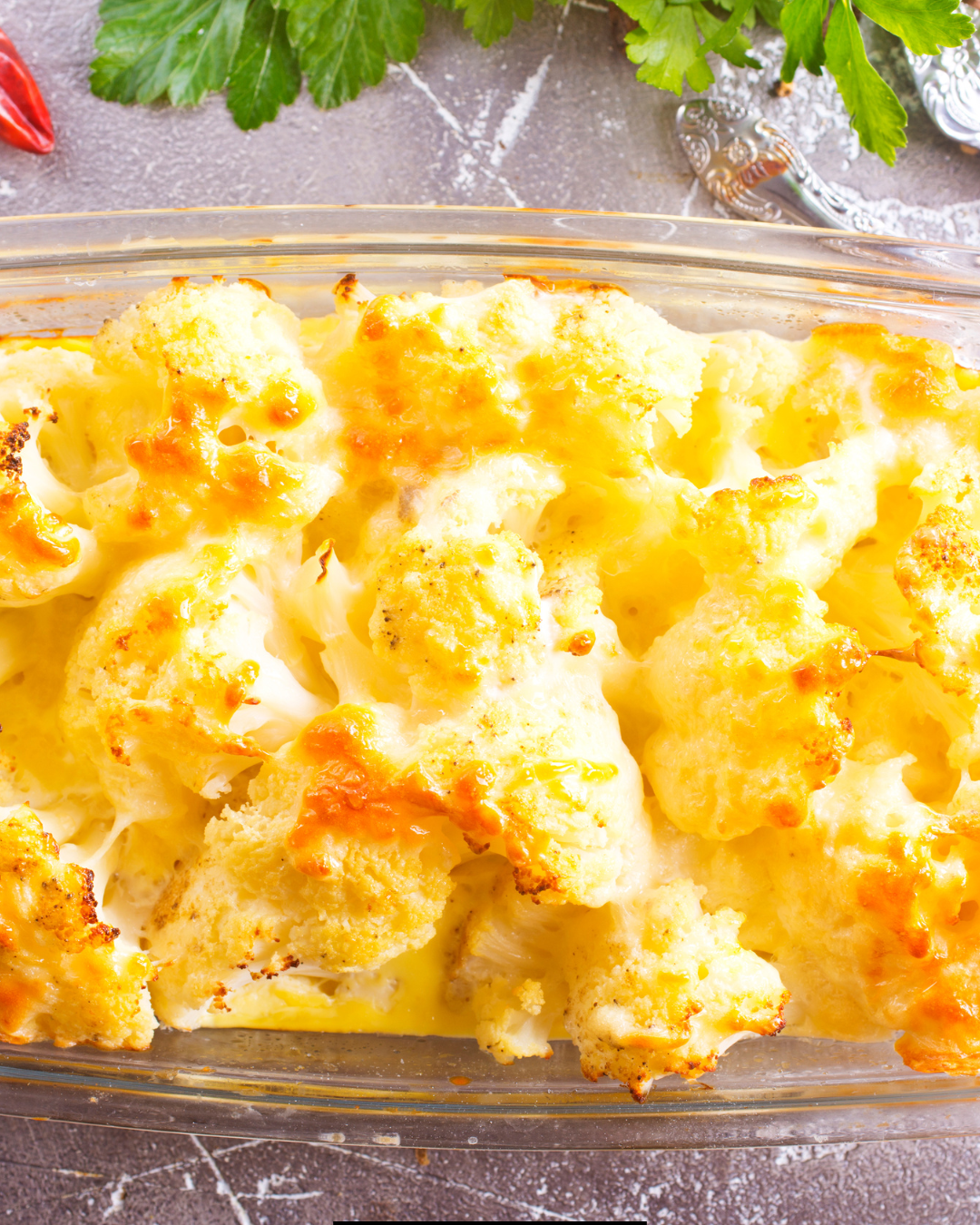
As someone who’s always admired Jamie’s knack for turning simple ingredients into show-stopping meals, the jamie oliver’s cauliflower cheese quickly became a favorite in my kitchen. It’s creamy, indulgent, and brimming with flavor—yet surprisingly easy to make. In fact, every time I serve it to family or friends, it’s guaranteed to get requests for second helpings.
Table of Contents
How to make Jamie Oliver’s cauliflower cheese
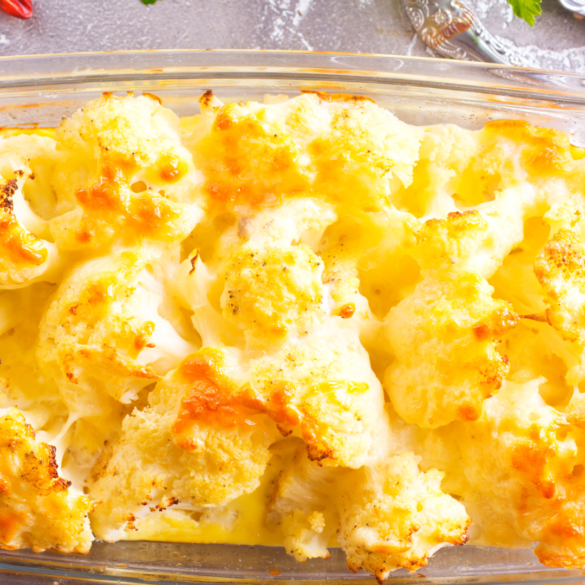
Jamie Oliver’s cauliflower cheese is his take on a classic British comfort dish: baked cauliflower covered in a rich, creamy cheese sauce and finished until golden on top.
Ingredients
For the dish:
- 1 large cauliflower (about 1kg) – broken into medium-sized florets
- 3 tablespoons unsalted butter
- 3 tablespoons plain flour
- 500ml milk (semi-skimmed or whole, depending on your preference)
- 150g mature cheddar cheese – grated (or a mix of cheddar and Parmesan for extra flavor)
- 1 teaspoon Dijon mustard – for depth and sharpness
- Nutmeg – a pinch (optional, but adds a lovely aroma)
- Salt and freshly ground black pepper
Optional toppings:
- 25g breadcrumbs – to give a crispy finish
- Fresh thyme or parsley – for garnish
Instructions
Follow these step-by-step directions to master Jamie Oliver’s cauliflower cheese:
Step 1: Prepping the cauliflower
- Preheat your oven to 200°C/400°F/gas mark 6.
- Break the cauliflower into medium-sized florets. Rinse under cold water.
- Blanch the cauliflower: Bring a large pot of salted water to a boil. Add the cauliflower florets and cook for 5–7 minutes until just tender but still slightly firm. Drain and set aside.
Step 2: Making the cheese sauce
- Melt the butter in a medium saucepan over medium heat. Once melted, add the flour and stir constantly to create a roux (a smooth paste).
- Gradually whisk in the milk a little at a time, ensuring no lumps form. Continue stirring until the sauce thickens—this should take around 4–5 minutes.
- Lower the heat and stir in the grated cheese. Add Dijon mustard, a pinch of nutmeg (optional), and season with salt and pepper. Mix well until the cheese is fully melted and the sauce is smooth and glossy.
Step 3: Assembling the dish
- Arrange the cooked cauliflower florets in a baking dish. Pour the cheese sauce evenly over the cauliflower, ensuring every piece is covered with creamy goodness.
- If you’re adding toppings, sprinkle breadcrumbs over the cheese sauce for a crispy finish and scatter a few sprigs of fresh thyme.
Step 4: Baking to perfection
- Put the baking dish into the preheated oven and bake for 25–30 minutes, or until the top is bubbling and golden.
- Once baked, remove from the oven and let it sit for a minute before serving.
Tips for Perfect Cauliflower Cheese
- Avoid watery cauliflower: Drain the cauliflower thoroughly after blanching to prevent the dish from becoming too watery. You can even pat the florets dry with a kitchen towel.
- Experiment with cheeses: While cheddar is classic, mixing in Parmesan, Gruyère, or even blue cheese can add new layers of flavor.
- Make it crispy: If you love texture, don’t skip the breadcrumb topping. You can even mix breadcrumbs with grated cheese for an extra-crispy golden crust.
- Add more veggies: For a twist, you can add other veggies like broccoli or leeks alongside the cauliflower.
- Personalize the sauce: Want a tangier or deeper flavor? Add a splash of Worcestershire sauce or a pinch of paprika to the mix.
What to serve with
Jamie Oliver’s Cauliflower Cheese is a rich and indulgent dish that works wonderfully as a side or a main course, depending on the occasion. But what truly sets it apart is how versatile it can be!
1. Classic Roast Meats
Jamie Oliver’s Cauliflower Cheese is a quintessential side dish for a hearty British roast dinner, and Jamie’s recipe pairs beautifully with roast meats. Serve it alongside:
- Roast Beef: The richness of the cauliflower cheese is a perfect match for tender roast beef, especially with Yorkshire puddings and a dash of gravy to complete the meal.
- Roast Chicken: A golden, juicy roast chicken offers a lighter protein option that still balances the creaminess of the dish.
- Glazed Ham: The sweetness of honey-glazed ham pairs beautifully with the tangy depth of the cheese sauce.
- Roast Pork: Try serving cauliflower cheese with roast pork and crackling for a luxurious, layered flavor profile.
2. Vegetables for Variety and Texture
Adding vibrant, fresh vegetables to your plate will cut through the richness of the cheese sauce. Consider:
- Steamed Greens: Serve alongside steamed broccoli, green beans, kale, or asparagus, tossed with a drizzle of olive oil or a squeeze of lemon juice for brightness.
- Roasted Root Vegetables: Roasted carrots, parsnips, and sweet potatoes provide a caramelized sweetness that balances the cheesy sauce.
- Brussels Sprouts: Jamie often recommends pan-frying or roasting Brussels sprouts with chestnuts or pancetta—perfect to add a crisp and nutty texture.
- Braised Red Cabbage: Its tangy-sweet flavor offers a sharp contrast to the dish.
3. Salad Options for Lightness
A crisp, fresh salad can make the hearty flavors of cauliflower cheese feel lighter and more balanced. Favorites include:
- Mixed Green Salad: Combine spinach, arugula, lettuce, and cucumbers with a zesty vinaigrette dressing for a refreshing side.
- Tomato and Basil Salad: Sweet and aromatic tomatoes with fresh basil and olive oil can bring a Mediterranean twist to the meal.
- Shaved Fennel Salad: Toss thinly sliced fennel with lemon and olive oil for a crunchy, citrusy addition.
- Coleslaw: A creamy coleslaw made with cabbage and carrots enhances the comfort-food aspect without overpowering the flavors.
Ingredients substitutes
Jamie Oliver’s Cauliflower Cheese recipe is indulgent and versatile. While it relies on classic ingredients like cauliflower, cheese, milk, flour, and butter, you can easily swap or adjust these ingredients based on dietary needs, personal preferences, or availability in your pantry.
1. Cauliflower Substitutes
Cauliflower is the hero of this dish, but if you want to mix things up or don’t have any on hand, here are great alternatives:
- Broccoli: Broccoli florets are a natural replacement and bring a similar texture and flavor, with a slight earthiness.
- Romanesco: This green, fractal version of cauliflower adds unique color and flair to the dish while maintaining the same flavor profile.
- Zucchini (Courgettes): If you want something softer and milder, sliced zucchini works well.
- Butternut Squash: Roasted butternut squash cubes can make a sweeter, slightly firmer variation.
- Leeks: Leeks, sautéed until soft, can serve as a creamy base instead of cauliflower.
2. Cheese Substitutes
The cheese used in the sauce is what gives this dish its signature richness, but you can mix or swap different cheeses to suit your taste:
- Cheddar Cheese: This is the classic choice, but you can try:
- Gruyère: Adds nutty and complex flavors.
- Parmesan: Great for a sharp and salty kick.
- Mozzarella: For a super creamy and stretchy texture.
- Blue Cheese: If you love bold, tangy flavors, crumble blue cheese into the sauce for added depth.
- Non-Dairy Cheese: For vegans or dairy-free eaters, opt for your favorite plant-based cheese—look for ones that melt well, like vegan cheddar or mozzarella.
3. Milk Substitutes
Milk is an essential ingredient for making the roux and cheese sauce creamy. If you’re avoiding dairy or need an alternative, try:
- Plant-Based Milk: Unsweetened almond, oat, soy, or cashew milk works well. Avoid flavored or sweetened varieties, as they might alter the dish’s savory taste.
- Cream or Half-and-Half: Substitute milk with heavy cream or half-and-half for an extra indulgent sauce. You can dilute it slightly with water for a thinner consistency.
- Coconut Milk: This adds a slightly tropical flavor but works well in creamy dishes. Pair it with strong cheeses to balance the sweetness.
- Chicken or Veggie Broth: If you’d prefer a lighter sauce, swap milk for broth. It changes the consistency but offers a savory twist.
4. Flour Substitutes
Flour is used in making the roux, which thickens the sauce. There are plenty of substitutes if you’re avoiding gluten or looking for alternatives:
- Cornstarch: Mix cornstarch with cold milk or water before adding it to the sauce to avoid clumps. A tablespoon of cornstarch can replace two tablespoons of flour.
- Arrowroot Powder: Another gluten-free thickener, arrowroot provides a smooth texture.
- Potato Starch: Ideal for thickening while maintaining a creamy consistency.
- Gluten-Free All-Purpose Flour: A one-to-one substitute for regular flour if you’re following a gluten-free diet.
5. Butter Substitutes
Butter adds richness and helps create the roux, but there are several ways to replace it:
- Olive Oil: A healthier fat option that works perfectly for making the roux.
- Plant-Based Butter: Vegan butter or margarine substitutes traditional butter without sacrificing flavor.
- Coconut Oil: Adds richness with a slight sweetness. Use sparingly to avoid overpowering flavors.
- Ghee: Provides a buttery aroma and works well if you’re making the dish lactose-free (as ghee is often free of milk solids).
6. Mustard Substitutes
Jamie adds Dijon mustard to his cauliflower cheese sauce to bring sharpness and depth. Here are substitutes you can use:
- Wholegrain Mustard: Provides texture and similar tangy benefits.
- Yellow Mustard: A milder option for those who prefer less sharpness.
- Horseradish Sauce: If you want a spicier touch, consider using a small amount of horseradish.
Final Thoughts
With this Jamie Oliver’s Cauliflower Cheese recipe, you’ll have all the tools to make a cozy, crowd-pleasing cauliflower cheese that’s bursting with flavor.
More Jamie Oliver’s Recipes:
Ingredients
For the dish:
- 1 large cauliflower (about 1kg)
- 3 tablespoons unsalted butter
- 3 tablespoons plain flour
- 500ml milk
- 150g mature cheddar cheese – grated
- 1 teaspoon Dijon mustard
- Nutmeg – a pinch
- Salt and freshly ground black pepper
Optional toppings:
- 25g breadcrumbs
- Fresh thyme or parsley
Instructions
Step 1: Prepping the cauliflower
- Preheat your oven to 200°C/400°F/gas mark 6.
- Break the cauliflower into medium-sized florets. Rinse under cold water.
- Blanch the cauliflower: Bring a large pot of salted water to a boil. Add the cauliflower florets and cook for 5–7 minutes until just tender but still slightly firm. Drain and set aside.
Step 2: Making the cheese sauce
- Melt the butter in a medium saucepan over medium heat. Once melted, add the flour and stir constantly to create a roux (a smooth paste).
- Gradually whisk in the milk a little at a time, ensuring no lumps form. Continue stirring until the sauce thickens—this should take around 4–5 minutes.
- Lower the heat and stir in the grated cheese. Add Dijon mustard, a pinch of nutmeg (optional), and season with salt and pepper. Mix well until the cheese is fully melted and the sauce is smooth and glossy.
Step 3: Assembling the dish
- Arrange the cooked cauliflower florets in a baking dish. Pour the cheese sauce evenly over the cauliflower, ensuring every piece is covered with creamy goodness.
- If you’re adding toppings, sprinkle breadcrumbs over the cheese sauce for a crispy finish and scatter a few sprigs of fresh thyme.
Step 4: Baking to perfection
- Put the baking dish into the preheated oven and bake for 25–30 minutes, or until the top is bubbling and golden.
- Once baked, remove from the oven and let it sit for a minute before serving.