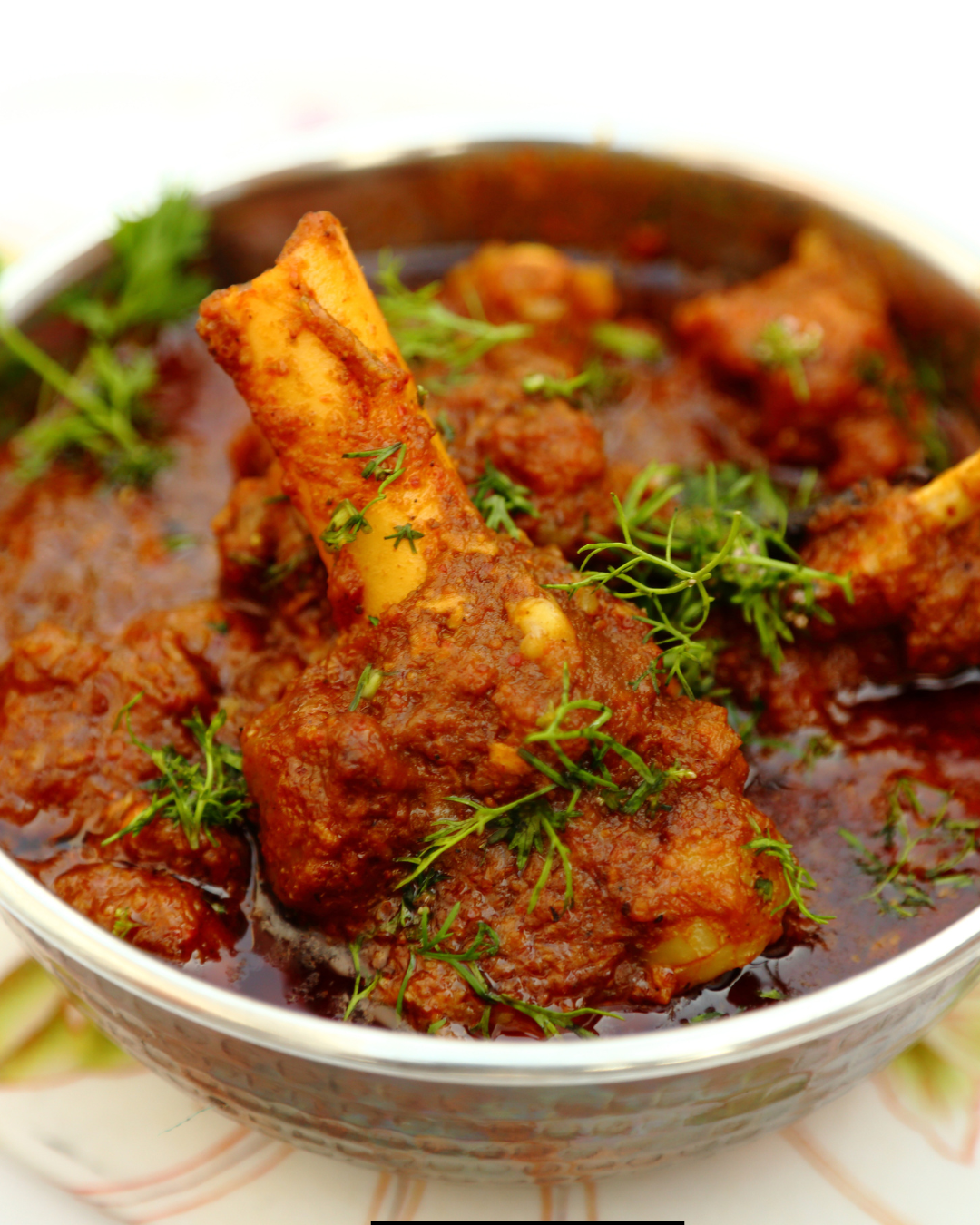
When I first tried Jamie Oliver’s Vegetable Curry recipe, I was amazed at how simple it was to make, yet how impressive it turned out. The comforting spice blend, creamy coconut sauce, and tender veggies hit all the right notes—plus, it’s versatile enough to let you swap ingredients based on what’s in your fridge or at the farmers’ market.
Table of Contents
How to make Jamie Oliver’s Vegetable Curry
Jamie Oliver’s Vegetable Curry is a hearty, flavorful curry dish made with mixed vegetables simmered in a spiced sauce, usually containing ingredients like onions, garlic, ginger, tomatoes, coconut milk, and warming spices such as curry powder, cumin, turmeric, and coriander.
Ingredients
Base Ingredients:
- 2 tablespoons olive oil: For sautéing and building flavor.
- 1 onion: Finely chopped; the base of most great curries.
- 2 cloves of garlic: Peeled and minced, adding depth and aroma.
- 1 thumb-sized piece of fresh ginger: Grated for a warm and earthy kick.
- 1–2 red chilies: Deseeded and finely chopped for heat (adjust to taste).
Spices:
- 2 tablespoons curry paste: Jamie encourages using a good-quality store-bought paste or homemade for authentic flavor. Alternatively, you can mix your own blend of turmeric, cumin, coriander powder, and curry powder.
- 1 teaspoon ground cinnamon: Optional for a touch of warmth and sweetness.
Vegetables:
- 1 medium sweet potato: Peeled and chopped into bite-sized chunks.
- 1 small cauliflower: Broken into florets.
- 1 red bell pepper: Sliced or diced.
- 1 cup green beans: Trimmed and halved, for a vibrant touch.
Liquid Ingredients:
- 1 can (400ml) coconut milk: To create a creamy, luscious curry sauce.
- 1 can (400g) diced tomatoes: Adds tang and body to the sauce.
- 1 cup vegetable stock: For thinning the sauce and bringing everything together.
Finishing Touches:
- Juice of 1 lime: For brightness and acidity.
- Fresh coriander (cilantro): Chopped, to garnish.
- Salt and pepper: To season perfectly.
Optional Serving Suggestions:
- Basmati rice, naan bread, or homemade flatbreads.
- Plain yogurt or raita for a cooling contrast.
Instructions
Follow these simple steps to make your vegetable curry:
- Wash and chop the vegetables into bite-sized pieces.
- Mince the garlic, grate the ginger, and chop the chilies.
- Heat the olive oil in a large pan or pot over medium heat.
- Add the chopped onion and sauté for about 5 minutes, until soft and translucent.
- Stir in the garlic, ginger, and chili, cooking for another 1–2 minutes to release the aromas.
- Add the curry paste (or your own spice mix) to the pan and cook for a minute while stirring. This helps toast the spices and boost their flavor.
- Stir in the chopped sweet potato, cauliflower, bell pepper, and green beans, ensuring they are coated with the spice mixture.
- Pour in the coconut milk, diced tomatoes, and vegetable stock. Mix well and bring the curry to a gentle boil.
- Reduce the heat to a simmer and cover the pan. Let it cook for about 20–30 minutes, stirring occasionally, until the vegetables are tender and the sauce is nicely thickened.
- Once cooked, check the seasoning. Add salt, pepper, and lime juice to taste.
- Stir in fresh chopped coriander for a burst of freshness.
- Serve your curry with warm basmati rice, naan bread, or flatbread. Pair it with a refreshing yogurt or raita for balance.
Tips for Perfect Vegetable Curry
- Customizing Vegetables: Feel free to swap vegetables based on what’s available. Spinach, zucchini, chickpeas, or butternut squash work beautifully, too.
- Take Control of Heat: Adjust chili quantities to suit your spice tolerance. For less heat, deseed the chilies or use milder ones like Anaheim peppers.
- Don’t Overcook Vegetables: Keep an eye on the cooking time so your veggies stay tender but not mushy—they should retain a slight bite.
- Make a Bigger Batch: This curry freezes exceptionally well, so consider doubling the recipe for leftovers. Perfect for busy weeknights!
- Homemade Curry Paste: Level up your cooking by blending fresh garlic, ginger, chilies, oil, and spices (like turmeric and cumin) into a fragrant homemade curry paste.
- Experiment with Garnishes: In addition to coriander, you can add toasted cashews, dollops of coconut yogurt, or a drizzle of chili oil for extra flair.
What to serve with
Jamie Oliver’s Vegetable Curry is a hearty, flavorful dish that can stand on its own, but the right accompaniments can elevate your meal to the next level.
1. Rice: The Classic Curry Companion
Rice is the most common choice to serve with any curry, and it pairs exceptionally well with Jamie Oliver’s Vegetable Curry. Its neutral flavor and fluffy texture help absorb the rich, spiced curry sauce. Here are some options for preparing rice:
A. Basmati Rice: The light and fragrant long-grain rice is the most popular choice with curries. When steamed or boiled, its delicate flavor complements the bold spices of the Jamie Oliver’s Vegetable Curry. Add a pinch of turmeric or saffron to the water while cooking for a golden hue.
B. Coconut Rice: Cook your rice with coconut milk, water, and a pinch of salt for a creamy, subtly sweet side dish. The creaminess of coconut rice harmonizes beautifully with the spice in the Jamie Oliver’s Vegetable Curry.
C. Brown Rice: For a healthier option, serve the curry with brown rice, which has a nutty flavor and a slight chew. It’s a great choice if you’re looking to increase your fiber and nutritional intake.
2. Naan or Flatbreads: Perfect for Scooping
One of the most satisfying ways to enjoy Jamie Oliver’s Vegetable Curry is by using soft, warm bread to scoop up the rich sauce. Here are a few options:
A. Naan Bread: Soft and pillowy naan bread, traditionally baked in a tandoor, is a classic pairing with any Indian-inspired dish. You can find pre-made naan at most grocery stores or make it from scratch for an authentic experience. Serve plain or with garlic butter brushed on top.
B. Chapati or Roti: These thin and light flatbreads are healthier alternatives to naan. They’re easy to make at home with just whole wheat flour, water, and salt. Their mild flavor complements the robust curry, and they work well for scooping up the sauce.
C. Parathas: Flaky, layered parathas bring a bit of indulgence to your meal. You can make them plain or stuff them with spiced potatoes (aloo paratha) for an added treat.
Ingredients Substitutes
One of the best things about Jamie Oliver’s recipes is their flexibility. His vegetable curry is no exception—it’s a highly adaptable dish that allows you to make ingredient swaps based on dietary preferences, budget, or simply what’s available in your pantry.
1. Olive Oil
Original Ingredient: Olive oil is used to sauté the onions, garlic, and spices, serving as the base of the curry.
Substitute Options:
- Sunflower Oil or Vegetable Oil: Ideal for high-heat cooking and neutral in flavor.
- Coconut Oil: Adds a subtle coconut flavor to the dish that complements the curry.
- Ghee (Clarified Butter): For a more traditional Indian-style flavor, ghee works well. Choose vegan ghee if you prefer a plant-based alternative.
2. Onion
Original Ingredient: Onion is a foundational ingredient for creating depth and richness in the curry.
Substitute Options:
- Shallots: Slightly sweeter and softer in texture, but they work well as a substitute.
- Leeks: Use the white and light green parts for a milder onion flavor.
- Spring Onions (Scallions): Softer and less pungent, but will do in a pinch.
3. Garlic
Original Ingredient: Garlic lends a fragrant and bold base flavor to the curry.
Substitute Options:
- Garlic Paste: A quick and convenient alternative; use 1 teaspoon for every clove.
- Garlic Powder: Use 1/4 teaspoon of garlic powder for each clove.
- Asafoetida (Hing): Common in Indian cooking, this spice mimics some of the garlic flavor (use sparingly).
4. Ginger
Original Ingredient: Fresh ginger adds warmth and a slight spiciness to the curry.
Substitute Options:
- Ginger Paste: Available in jars or tubes, it’s a quick alternative to freshly grated ginger.
- Ground Ginger: Use 1/4 teaspoon of ground ginger for every 1 teaspoon of fresh ginger.
- Galangal: Often used in Southeast Asian cooking, it has a similar flavor but is more citrusy.
5. Fresh Red Chilies
Original Ingredient: Red chilies provide the heat in the curry and can be adjusted to taste.
Substitute Options:
- Green Chilies: Slightly less intense heat compared to red chilies; use based on preference.
- Chili Powder: Add 1/2 teaspoon, adjusting for desired spiciness.
- Cayenne Pepper: Use a pinch or two for a quick heat kick.
- Paprika (Smoked or Sweet): For mild heat and a hint of smoky flavor.
6. Curry Paste
Original Ingredient: Jamie Oliver’s recipes often call for ready-made curry paste or homemade versions made from ingredients like lemongrass, garlic, ginger, chilies, spices, and oil.
Substitute Options:
- Homemade Curry Paste: Blend garlic, ginger, chili, cumin, coriander, turmeric, and oil into a smooth paste.
- Curry Powder and Tomato Paste Blend: Use 2 teaspoons of curry powder mixed with 1 tablespoon of tomato paste as a quick alternative.
- Garam Masala: Provides a similar flavor without the wet consistency of a paste; add with care.
7. Coconut Milk
Original Ingredient: Coconut milk provides creaminess and richness to the curry.
Substitute Options:
- Coconut Cream: Thicker than coconut milk; dilute with some water if needed.
- Cashew Cream: Soak cashews in hot water, blend into a thick cream, and use as a non-coconut alternative.
- Oat Cream or Almond Milk: Vegan alternatives with lighter consistencies; you may need to thicken the curry with cornstarch or nut butter.
- Heavy Cream or Whipping Cream: Not plant-based, but effective for a rich consistency.
8. Diced Tomatoes
Original Ingredient: Diced tomatoes add acidity and balance the richness of the coconut milk.
Substitute Options:
- Fresh Tomatoes: Peel and chop two medium-sized fresh tomatoes as a direct substitute.
- Tomato Puree or Passata: Use 1 cup as a smooth, more concentrated tomato alternative.
- Crushed Tomatoes: Similar to diced tomatoes, just with a finer texture.
Final Thoughts
Jamie Oliver’s Vegetable Curry offers a fantastic combination of flavors and textures—it’s creamy, aromatic, and nourishing.
More Sauce Recipes:
Ingredients
Base Ingredients:
- 2 tablespoons olive oil: For sautéing and building flavor.
- 1 onion: Finely chopped; the base of most great curries.
- 2 cloves of garlic: Peeled and minced, adding depth and aroma.
- 1 thumb-sized piece of fresh ginger: Grated for a warm and earthy kick.
- 1–2 red chilies: Deseeded and finely chopped for heat (adjust to taste).
Spices:
- 2 tablespoons curry paste
- 1 teaspoon ground cinnamon
Vegetables:
- 1 medium sweet potato
- 1 small cauliflower: Broken into florets.
- 1 red bell pepper: Sliced or diced.
- 1 cup green beans: Trimmed and halved
Liquid Ingredients:
- 1 can (400ml) coconut milk
- 1 can (400g) diced tomatoes
- 1 cup vegetable stock
Finishing Touches:
- Juice of 1 lime: For brightness and acidity.
- Fresh coriander (cilantro): Chopped, to garnish.
- Salt and pepper: To season perfectly.
Optional Serving Suggestions:
- Basmati rice, naan bread, or homemade flatbreads.
- Plain yogurt or raita for a cooling contrast.
Instructions
- Wash and chop the vegetables into bite-sized pieces.
- Mince the garlic, grate the ginger, and chop the chilies.
- Heat the olive oil in a large pan or pot over medium heat.
- Add the chopped onion and sauté for about 5 minutes, until soft and translucent.
- Stir in the garlic, ginger, and chili, cooking for another 1–2 minutes to release the aromas.
- Add the curry paste (or your own spice mix) to the pan and cook for a minute while stirring. This helps toast the spices and boost their flavor.
- Stir in the chopped sweet potato, cauliflower, bell pepper, and green beans, ensuring they are coated with the spice mixture.
- Pour in the coconut milk, diced tomatoes, and vegetable stock. Mix well and bring the curry to a gentle boil.
- Reduce the heat to a simmer and cover the pan. Let it cook for about 20–30 minutes, stirring occasionally, until the vegetables are tender and the sauce is nicely thickened.
- Once cooked, check the seasoning. Add salt, pepper, and lime juice to taste.
- Stir in fresh chopped coriander for a burst of freshness.
- Serve your curry with warm basmati rice, naan bread, or flatbread. Pair it with a refreshing yogurt or raita for balance.