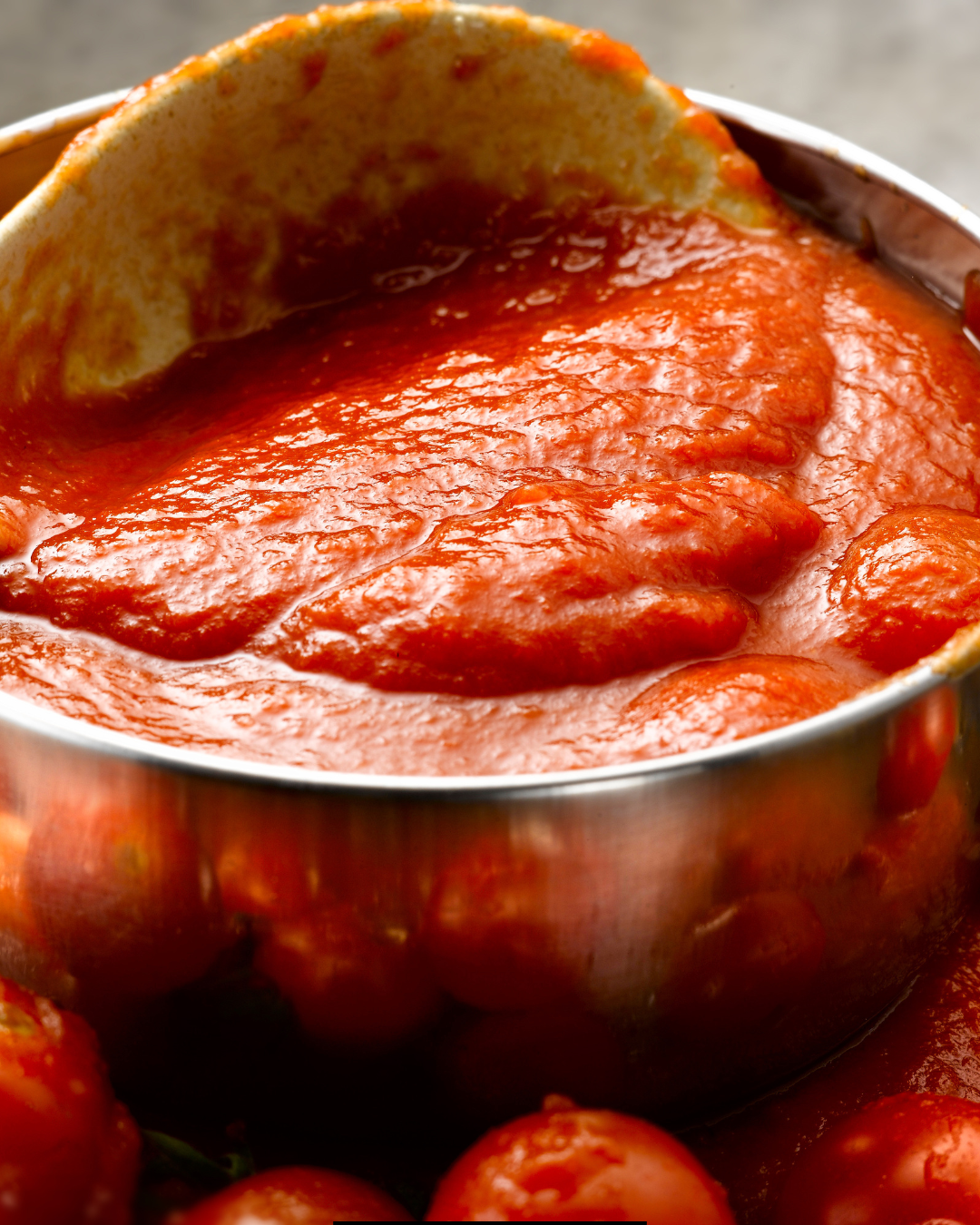
When it comes to simple yet unforgettable recipes, Jamie Oliver is the king of the kitchen! His approach is all about celebrating the natural flavors of high-quality ingredients, and Jamie Oliver’s Tomato Pasta Sauce with Fresh Tomatoes might just become your next go-to recipe.
Table of Contents
How to make Jamie Oliver’s Tomato Pasta Sauce with Fresh Tomatoes
Jamie Oliver’s Tomato Pasta Sauce with Fresh Tomatoes is a simple Italian-style pasta sauce made by slowly cooking ripe tomatoes with ingredients like garlic, olive oil, basil, and sometimes chilli or oregano until the tomatoes break down into a light, flavorful sauce.
Ingredients
Making Jamie Oliver’s Tomato Pasta Sauce begins with selecting the freshest ingredients. Here’s everything you’ll need:
- Fresh Tomatoes – 1 kg (about 2.2 lbs), preferably ripe vine tomatoes or heirloom tomatoes
- Garlic – 2-3 cloves, thinly sliced or finely chopped
- Extra Virgin Olive Oil – About 2-3 tablespoons
- Fresh Basil Leaves – A small handful, torn by hand
- Sea Salt and Freshly Ground Black Pepper – To taste
- Optional: A Pinch of Sugar – Only if the tomatoes are overly acidic
Instructions
1. Prepare the Tomatoes
- Start by peeling the tomatoes. To do this: Make a small “X” incision at the bottom of each tomato.
- Blanch the tomatoes by placing them in a pot of boiling water for about 30 seconds.
- Immediately transfer them to a bowl of ice water to stop the cooking process.
- Once cooled, gently peel off the skin (it should come off easily).
- Chop the peeled tomatoes into small chunks or crush them with your hands for a more rustic texture.
2. Cook the Garlic
- In a large, wide frying pan or saucepan, heat 2-3 tablespoons of olive oil over medium heat.
- Add the sliced garlic and sauté gently until it becomes light golden and fragrant.
- Be careful not to burn the garlic, as it can turn bitter.
3. Simmer the Sauce
- Add the chopped or crushed tomatoes to the pan.
- Reduce the heat to low-medium and allow the tomatoes to simmer gently for 20-30 minutes, stirring occasionally.
- As the tomatoes cook, they’ll break down and thicken into a smooth sauce. If the sauce gets too thick, you can add a splash of water to loosen it.
4. Season
- Season the sauce with sea salt and freshly ground black pepper to taste.
- Taste the sauce to ensure the balance of flavors. If the tomatoes are too acidic, add a tiny pinch of sugar to balance it out. Allow the sugar to dissolve and blend into the sauce.
5. Add Fresh Basil
- In the last few minutes of cooking, tear the fresh basil leaves and stir them gently into the sauce.
- Turn off the heat and allow the flavors to meld for a minute before serving.
6. Serve
- Toss the sauce with your favorite freshly cooked pasta—spaghetti, penne, or tagliatelle all work beautifully.
- Finish with an extra drizzle of olive oil, fresh basil leaves, or a sprinkle of grated Parmesan or Pecorino cheese for an indulgent touch.
Tips and Tricks
- The quality of the tomatoes makes all the difference—the riper and sweeter, the better the sauce. If fresh tomatoes aren’t in season, you can substitute with high-quality canned whole tomatoes (like San Marzano).
- Garlic is a crucial ingredient that forms the base flavor of the sauce. Cook it gently to release its natural sweetness—burning it will ruin the sauce.
- This sauce stores well. Cook a big batch and freeze it in portions for quick and easy meals during the week.
- Jamie Oliver’s philosophy is to let the ingredients shine. Resist the urge to throw in too many spices or herbs—this sauce works because of its simplicity.
Ingredients Substitutes
While Jamie Oliver’s Tomato Pasta Sauce is best made with fresh, high-quality ingredients, you might find yourself in a situation where you don’t have all the ingredients on hand—or want to adapt the recipe based on availability or preferences.
1. Fresh Tomatoes Substitutes
The foundation of this Jamie Oliver’s Tomato Pasta Sauce recipe is ripe, juicy fresh tomatoes. If they’re not available or they’re not in season, here are your best alternatives:
Substitute: Canned Tomatoes
- Opt for high-quality whole peeled canned tomatoes, such as San Marzano tomatoes. These are sweet, low in acidity, and perfect for making sauces.
- Crush them with your hands or use a fork to replicate the texture of fresh tomatoes.
- Use approximately 800g (28oz) of canned tomatoes as a substitute for 1kg of fresh tomatoes.
Substitute: Cherry Tomatoes
- If you don’t have large ripe tomatoes but have cherry or grape tomatoes, these can work beautifully. Cherry tomatoes tend to be naturally sweeter.
- Halve the cherry tomatoes before cooking to help them break down faster.
Substitute: Tomato Purée or Passata
- Use 700-750ml (about 3 cups) of smooth tomato purée (passata) as a shortcut.
- It works well but may lack the rustic texture of a sauce made with whole tomatoes.
2. Garlic Substitutes
Garlic adds depth and richness to the sauce. If you’re out of fresh garlic, consider these alternatives:
Substitute: Garlic Powder/Granules
- Use ½ teaspoon of garlic powder or granules for every clove of fresh garlic.
- Add it while the tomatoes are cooking rather than sautéing, as it lacks the aromatic power of fresh garlic when heated directly in oil.
Substitute: Garlic Paste
- Garlic paste (store-bought or homemade) is a great substitute. Use 1 teaspoon of paste per clove of garlic.
Substitute: Shallots or Onions
- If you don’t have garlic, finely minced shallots or onions can mimic a slightly sweet and savory base. Sauté them in olive oil just as you would the garlic.
3. Extra Virgin Olive Oil Substitutes
High-quality olive oil lends richness and enhances the flavor of the sauce. If you’re out or need a replacement, here are some options:
Substitutes:
- Vegetable Oil: A neutral option that doesn’t add much flavor but gets the job done.
- Sunflower Oil – A light, neutral oil with a slightly nutty flavor.
- Coconut Oil: For a slightly exotic twist, though it will slightly alter the sauce’s flavor profile.
- Butter – Adds richness and body; ideal for a creamier pasta sauce.
4. Fresh Basil Substitutes
Fresh basil gives the sauce its herbal and slightly sweet aroma, but there are several excellent substitutes if basil isn’t readily available.
Substitute: Dried Basil
- Use 1 teaspoon of dried basil in place of a handful of fresh leaves. Add it early in the cooking process to infuse its flavor into the sauce.
Substitute: Other Fresh Herbs
- Italian parsley – Milder and less sweet, but still fresh and aromatic.
- Oregano – Stronger and more earthy; use sparingly to avoid overpowering the sauce.
- Thyme: Subtle and earthy; adds depth to the sauce.
- Bay leaf: Toss in one leaf while simmering the sauce, then remove before serving.
5. Sea Salt Substitutes
If you’re out of flaky sea salt or want alternatives, here’s what you can use:
Substitutes:
- Table Salt: Adjust the quantity to taste, as it’s more concentrated than sea salt.
- Kosher Salt: Larger crystals provide a coarse texture similar to sea salt.
- Soy Sauce or Liquid Aminos: These can be used sparingly in place of salt to add both saltiness and umami.
6. Freshly Ground Black Pepper Substitutes
Black pepper adds a mild spice and complexity, but not everyone has fresh peppercorns or grinders handy.
Substitutes:
- Pre-Ground Black Pepper: Works just fine; use sparingly as it’s often more intense.
- White Pepper – Slightly less robust and has a more muted flavor, but can still provide that peppery kick.
Final Thoughts
Jamie Oliver’s Tomato Pasta Sauce with Fresh Tomatoes is more than just a recipe—it’s a celebration of fresh, wholesome cooking.
More Jamie Oliver Sauce Recipes:
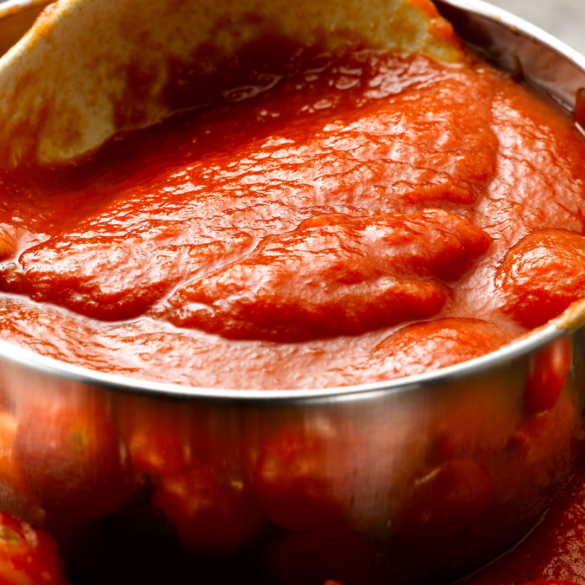
Ingredients
- Fresh Tomatoes – 1 kg (about 2.2 lbs
- Garlic – 2-3 cloves, thinly sliced
- Extra Virgin Olive Oil – About 2-3 tablespoons
- Fresh Basil Leaves – A small handful
- Sea Salt and Freshly Ground Black Pepper
- Optional: A Pinch of Sugar
Instructions
1. Prepare the Tomatoes
- Start by peeling the tomatoes. To do this: Make a small "X" incision at the bottom of each tomato.
- Blanch the tomatoes by placing them in a pot of boiling water for about 30 seconds.
- Immediately transfer them to a bowl of ice water to stop the cooking process.
- Once cooled, gently peel off the skin (it should come off easily).
- Chop the peeled tomatoes into small chunks or crush them with your hands for a more rustic texture.
2. Cook the Garlic
- In a large, wide frying pan or saucepan, heat 2-3 tablespoons of olive oil over medium heat.
- Add the sliced garlic and sauté gently until it becomes light golden and fragrant.
- Be careful not to burn the garlic, as it can turn bitter.
3. Simmer the Sauce
- Add the chopped or crushed tomatoes to the pan.
- Reduce the heat to low-medium and allow the tomatoes to simmer gently for 20-30 minutes, stirring occasionally.
- As the tomatoes cook, they’ll break down and thicken into a smooth sauce. If the sauce gets too thick, you can add a splash of water to loosen it.
4. Season
- Season the sauce with sea salt and freshly ground black pepper to taste.
- Taste the sauce to ensure the balance of flavors. If the tomatoes are too acidic, add a tiny pinch of sugar to balance it out. Allow the sugar to dissolve and blend into the sauce.
5. Add Fresh Basil
- In the last few minutes of cooking, tear the fresh basil leaves and stir them gently into the sauce.
- Turn off the heat and allow the flavors to meld for a minute before serving.
6. Serve
- Toss the sauce with your favorite freshly cooked pasta—spaghetti, penne, or tagliatelle all work beautifully.
- Finish with an extra drizzle of olive oil, fresh basil leaves, or a sprinkle of grated Parmesan or Pecorino cheese for an indulgent touch.