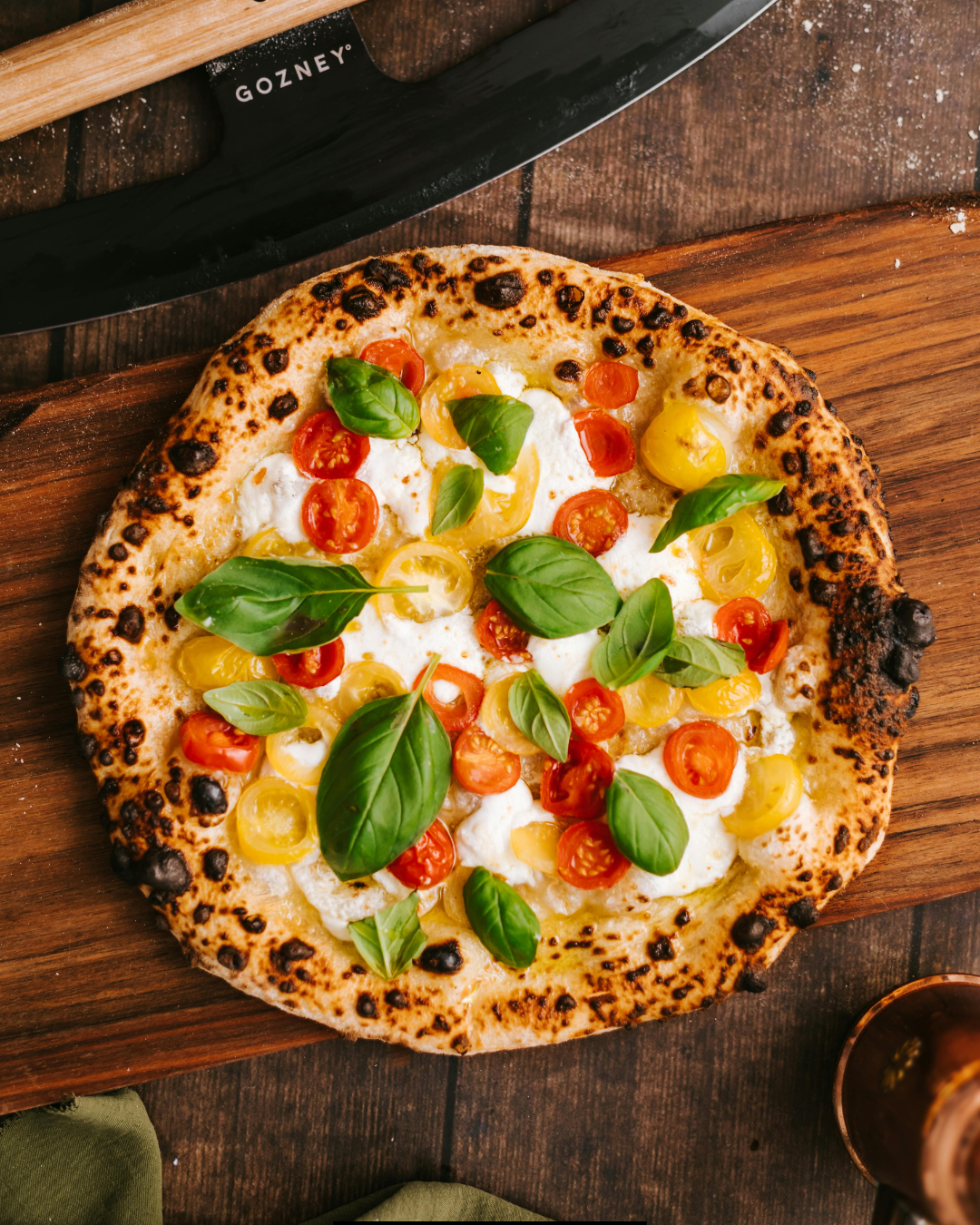
I’ve always been inspired by Jamie’s passion for fresh ingredients and his knack for turning simple recipes into spectacular dishes. Jamie Oliver’s Italian Pizza Dough recipe is a prime example of why his cooking resonates with so many of us. It’s easy, foolproof, and produces a crust that’s crisp, chewy, and utterly delicious.
Table of Contents
How to make Jamie Oliver’s Italian Pizza Dough
Jamie Oliver’s Italian Pizza Dough is a simple, classic pizza base recipe inspired by traditional Italian methods. It’s known for being easy to make at home while still delivering a light, crisp, and slightly chewy crust.
Ingredients
This Jamie Oliver’s Italian Pizza Dough recipe creates a classic, Neapolitan-style dough that is crispy on the outside and beautifully chewy on the inside:
- 500g (3 ¾ cups) strong white bread flour (high-protein content is essential for texture)
- 1 tsp fine sea salt (for flavor)
- 7g / 1 sachet of dried yeast (or 25g fresh yeast, if you prefer)
- ½ tsp caster sugar (to activate and feed the yeast)
- 325ml lukewarm water (feels warm to the touch but not hot—too much heat kills yeast)
Instructions
- Place the flour in a large mixing bowl and add the sea salt. Mix these together and create a small well (hole) in the center of the flour. This will be where you pour your wet ingredients.
- Dissolve the sugar in the lukewarm water, then sprinkle in the dried yeast. Let it sit for 3–5 minutes until the surface of the mixture becomes frothy and bubbly. This means your yeast is active and ready to go!
- Pour the yeast mixture gradually into the well of the flour, using a fork or your hands to mix it together. Once it starts to come together, you can use your hands to form a dough. It should be soft but not sticky—adjust with extra water or flour as needed to get the right texture.
- Transfer the dough onto a floured surface and knead it for around 10 minutes. Push the dough with the heel of your hand, then fold it back over and repeat. This process helps develop gluten, which gives the dough its elasticity. The dough will become smooth and springy when ready.
- Lightly oil a bowl (this helps prevent sticking), and place the dough inside. Cover it with a damp tea towel or cling film. Let it rise in a warm spot for about 1 hour, or until it doubles in size.
- Once the dough has risen, “knock it back” by punching out the air. This prepares the dough for shaping and rolling.
- Divide the dough into as many portions as needed—this recipe makes about 3-4 medium-sized pizzas. Roll out each piece on a floured surface to your desired thickness. For a thin and crispy base, roll it out very thin, or keep it thicker for a fluffier crust.
- Preheat your oven to 220°C/425°F (use a pizza stone or baking tray for best results). Add your favorite toppings—classic tomato sauce, mozzarella, fresh veggies, or even prosciutto. Bake the pizza for 7-10 minutes, or until the edges are golden and the cheese is bubbly.
Tips for Success
- This flour has a higher gluten content than all-purpose flour, which gives your dough its characteristic chewiness and structure.
- Yeast thrives at lukewarm temperatures (about 37°C/100°F). Avoid using water that’s too hot, as it can kill the yeast, or too cold, which won’t activate it properly.
- Kneading develops the gluten in the dough, making it elastic and strong. If you’re short on time, you can also use a stand mixer with a dough hook attachment to knead for about 5–6 minutes.
- If you’re short on time, you can let the dough rise for 30 minutes (it will still work), but for the best flavor and texture, let it rise for the full hour—or even overnight in the fridge.
- For the crispiest base, preheat a pizza stone or heavy-duty baking tray in your oven. Slide the pizza onto the hot surface for a perfect crust.
- While Jamie Oliver encourages fresh, seasonal ingredients, don’t be afraid to get creative. Try combinations like arugula and prosciutto, goat cheese and caramelized onions, or classic Margherita.
- This makes meal prep so much easier! Wrap unused dough tightly in cling film and freeze for up to 3 months. Defrost overnight in the fridge before using.
What to serve with
Once you’ve mastered Jamie Oliver’s Italian pizza dough and baked those golden, crispy-but-chewy pizzas, the fun doesn’t stop there. While pizza is undoubtedly the star of the show, serving the right accompaniments can take your meal to a whole new level.
1. Appetizers and Starters
Get everyone excited about pizza with light, flavorful starters that don’t overpower the main event. These appetizers will whet your appetite without stealing the spotlight.
– Garlic and Herb Breadsticks: Use some of the leftover Jamie Oliver’s Italian Pizza Dough to form slender breadsticks, brush them with garlic butter, sprinkle with parmesan cheese, and bake. They’re a perfect snack to keep everyone content while the pizza is cooking.
– Antipasto Platter: A traditional antipasto platter brings an authentic Italian flair to your meal. Include a selection of cured meats (prosciutto, salami), cheeses (pecorino, buffalo mozzarella), marinated olives, artichokes, roasted red peppers, and crusty bread.
– Caprese Salad: Keep it light and fresh with layers of juicy tomatoes, fresh mozzarella, and basil leaves drizzled with olive oil and balsamic glaze. It’s a classic pairing that highlights the same flavors often found on pizza.
– Bruschetta: Toast some slices of bread and top with fresh tomato, garlic, basil, and olive oil for a zesty, crunchy appetizer that won’t fill you up before the Jamie Oliver’s Italian Pizza Dough.
2. Side Dishes
Offer some lighter sides to accompany the main course. These options complement pizza’s rich, cheesy flavors.
– Crisp Green Salad: A simple side salad is a perfect palate cleanser. Toss mixed greens, arugula, cherry tomatoes, cucumbers, and red onions with a zesty vinaigrette. For extra indulgence, shave some ParmesanParmesan on top.
– Caesar Salad: For a heartier option, a Caesar salad with its garlicky flavor, crunchy croutons, and creamy dressing is always a hit.
– Zucchini Fries: If you’re craving something crispy but not too heavy, oven-baked zucchini fries are a great option. Bread them with panko crumbs, parmesan, and Italian herbs for extra flavor.
– Roasted Vegetables: Toss a mix of bell peppers, zucchini, cherry tomatoes, red onions, and eggplant in olive oil and Italian herbs. Roast them until caramelized for a healthy, hearty side.
Ingredients Substitutes
Jamie Oliver’s Italian pizza dough recipe is simple, foolproof, and delicious. However, you might find yourself in a situation where you don’t have some of the ingredients on hand. Don’t worry! This recipe is forgiving, and there are plenty of substitutes you can use without compromising flavor or texture.
1. Strong White Bread Flour Substitute
Original Ingredient: 500g strong white bread flour
Bread flour is ideal for this Jamie Oliver’s Italian Pizza Dough recipe because of its high gluten content, which creates an elastic, chewy dough perfect for pizza crusts.
Substitutes:
- All-Purpose Flour: If you don’t have bread flour, all-purpose flour works just fine. While it has a lower protein content, you’ll still get a delicious crust, though it may be slightly less chewy.
- Whole Wheat Flour: For a healthier, nuttier flavor, you can substitute up to half of the bread flour with whole wheat flour. Using 100% whole wheat flour might make the dough denser, so you’ll want to add a bit more water to create a softer texture.
- Gluten-Free Flour: For gluten-free diets, you can use a gluten-free all-purpose flour blend. Look for one with xanthan gum, which helps mimic the elasticity of gluten. You may also need slightly more water or oil to keep the dough workable.
- Spelt Flour or Semolina Flour: These flours add a rustic, nutty flavor to the dough. Combine them with regular flour (e.g., 50% spelt, 50% bread flour) for the best results.
2. Dried Yeast Substitute
Original Ingredient: 7g dried yeast (1 sachet)
Dried yeast is convenient and easy to use since it doesn’t require proofing (activation in warm water with sugar)—you can often mix it directly into the flour.
Substitutes:
- Fresh Yeast: If you have fresh yeast, you can use 25g fresh yeast as a substitute for 7g dried yeast. Fresh yeast requires activation—dissolve it in lukewarm water with sugar until it becomes frothy before adding it to the dough.
- Instant Yeast: Instant yeast is faster-acting than dried yeast. Use the same amount (7g) and skip the activation step; mix it directly with your dry ingredients.
- Sourdough Starter: For an artisan-style crust, replace yeast with about 150g sourdough starter. Sourdough adds a tangy flavor, but it requires longer fermentation times (typically overnight).
- Baking Powder (Emergency Substitute): If you’re in a pinch and don’t have yeast, replace it with 2 tsp baking powder and ½ tsp baking soda. While this won’t deliver the chewy texture of traditional pizza dough, it will work for quick, flatbread-style pizzas.
3. Sugar Substitute
Original Ingredient: ½ tsp caster sugar
Sugar is used in Jamie Oliver’s Italian Pizza Dough to feed the yeast and kickstart the fermentation process, helping the dough rise properly.
Substitutes:
- Honey: Honey works as an excellent substitute for sugar, adding a slight floral note to your dough. Use an equal amount (½ tsp), but dissolve it in water first.
- Maple Syrup: Maple syrup is another sweetener you can use in equal amounts. It adds a subtle richness, though the flavor may be slightly noticeable.
- Brown Sugar: Brown sugar provides a deeper molasses flavor. It can be used in a 1-to-1 ratio with caster sugar.
- Molasses or Agave Syrup: These liquid sweeteners bring a unique depth of flavor and work great as alternatives. Reduce the amount slightly as they tend to be sweeter.
- Stevia or Other Low-Calorie Sweeteners: For a sugar-free option, use a pinch of stevia or your preferred zero-calorie sweetener. Note that yeast reacts differently with sugar substitutes, so there may be less rise in your dough.
4. Lukewarm Water Substitute
Original Ingredient: 325ml lukewarm water
Water is essential for hydration and activating the yeast. Lukewarm (approximately 37°C / 100°F) is the perfect temperature to help the yeast thrive.
Substitutes:
- Water with Milk: Replace some or all of the water with lukewarm milk for a richer dough with a softer texture. Ideal for those who want a fluffier crust.
- Sparkling Water: This is a great substitute if you’re after a lighter crust. The carbonation helps aerate the dough, creating a slightly crispier texture.
- Vegetable Stock: If you want a subtle savory undertone, replace water with lukewarm vegetable stock—ensure it’s not overly salty.
5. Sea Salt Substitute
Original Ingredient: 1 tsp fine sea salt
Salt enhances the flavor of the dough and helps control yeast activity during fermentation.
Substitutes:
- Kosher Salt: Use the same amount of kosher salt as sea salt. Ensure it’s fine-grained for even distribution.
- Table Salt: Table salt is slightly finer and stronger in flavor than sea salt, so you’ll need slightly less—use around ¾ tsp instead of 1 tsp.
- Flavored Salt: If you want to experiment, try garlic salt, herb-infused salt, or smoked salt for unique flavor twists.
- Low-Sodium Salt: For low-sodium diets, substitute with potassium-based salt replacements.
Final Thoughts
Jamie’s Italian pizza dough is not just a recipe—it’s an experience. It’s easy enough for a casual family pizza night but professional enough to wow your guests. The dough is versatile, adaptable, and delivers that authentic Italian taste every time.
More Baked Dish Recipes:
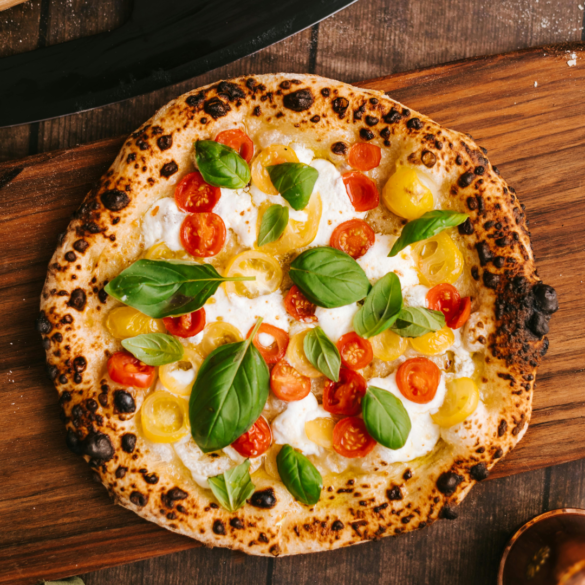
Ingredients
- 500g (3 ¾ cups) strong white bread flour
- 1 tsp fine sea salt (for flavor)
- 7g / 1 sachet of dried yeast
- ½ tsp caster sugar
- 325ml lukewarm water
Instructions
- Place the flour in a large mixing bowl and add the sea salt. Mix these together and create a small well (hole) in the center of the flour. This will be where you pour your wet ingredients.
- Dissolve the sugar in the lukewarm water, then sprinkle in the dried yeast. Let it sit for 3–5 minutes until the surface of the mixture becomes frothy and bubbly. This means your yeast is active and ready to go!
- Pour the yeast mixture gradually into the well of the flour, using a fork or your hands to mix it together. Once it starts to come together, you can use your hands to form a dough. It should be soft but not sticky—adjust with extra water or flour as needed to get the right texture.
- Transfer the dough onto a floured surface and knead it for around 10 minutes. Push the dough with the heel of your hand, then fold it back over and repeat. This process helps develop gluten, which gives the dough its elasticity. The dough will become smooth and springy when ready.
- Lightly oil a bowl (this helps prevent sticking), and place the dough inside. Cover it with a damp tea towel or cling film. Let it rise in a warm spot for about 1 hour, or until it doubles in size.
- Once the dough has risen, “knock it back” by punching out the air. This prepares the dough for shaping and rolling.
- Divide the dough into as many portions as needed—this recipe makes about 3-4 medium-sized pizzas. Roll out each piece on a floured surface to your desired thickness. For a thin and crispy base, roll it out very thin, or keep it thicker for a fluffier crust.
- Preheat your oven to 220°C/425°F (use a pizza stone or baking tray for best results). Add your favorite toppings—classic tomato sauce, mozzarella, fresh veggies, or even prosciutto. Bake the pizza for 7-10 minutes, or until the edges are golden and the cheese is bubbly.