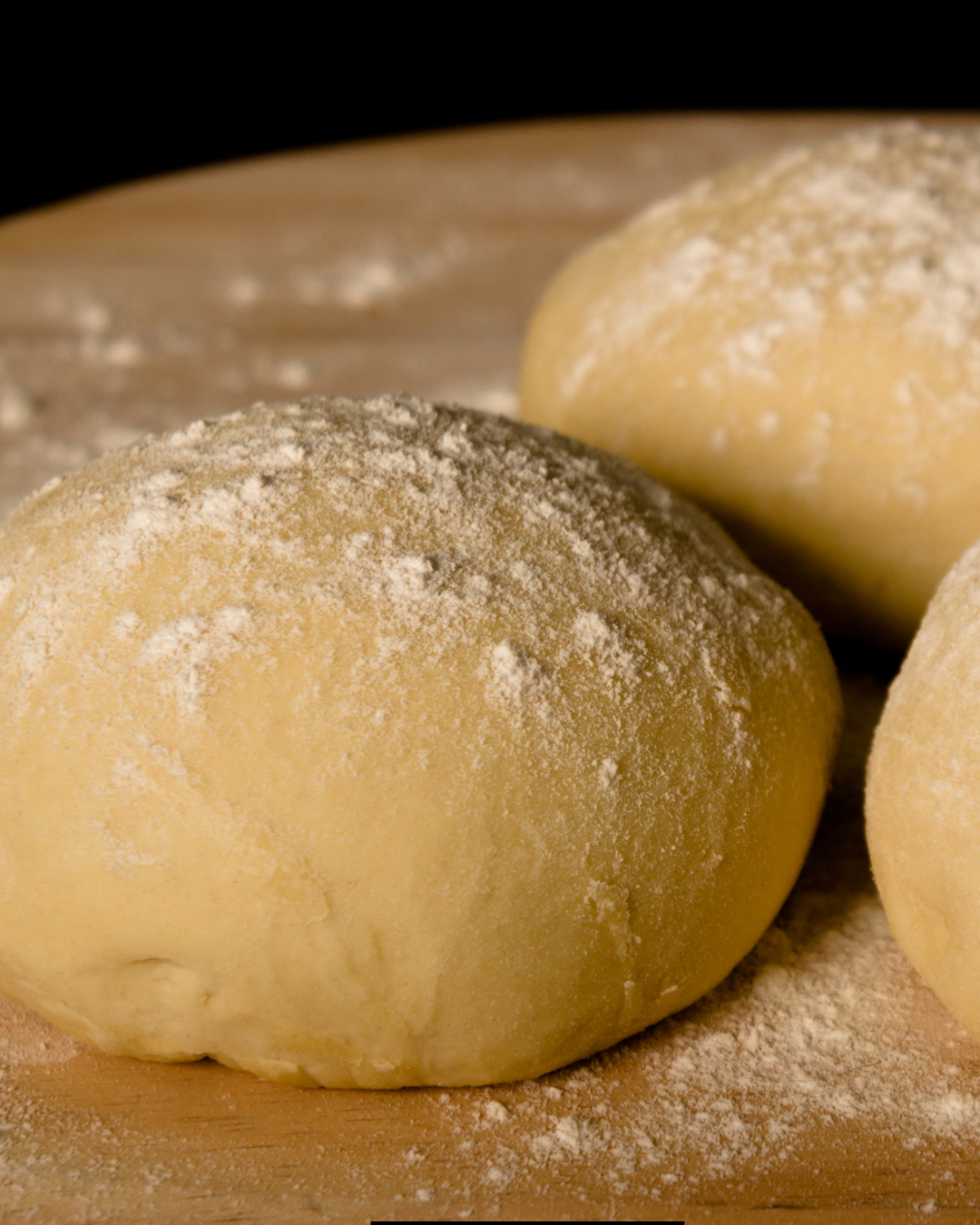
It’s not just a recipe; it’s a foundation for endless possibilities. Whether you’re planning a cozy date night, hosting a backyard pizza party, or simply indulging in a personal pizza night (my favorite!), this Jamie Oliver’s Pizza Dough delivers the kind of crisp, chewy perfection you’d expect from a pizzeria. And the best part? It’s easy to make using everyday ingredients you likely already have in your pantry.
Table of Contents
How to make Jamie Oliver’s Pizza Dough
Jamie Oliver’s pizza dough is a simple homemade dough recipe used as the base for pizzas, calzones, and flatbreads. It’s designed to be soft, stretchy, and crisp once baked, using basic ingredients like flour, yeast, water, olive oil, salt, and sometimes sugar.
Ingredients
Jamie Oliver’s Pizza Dough recipe is all about simplicity combined with quality. Here’s what you’ll need:
- 500g strong bread flour
- 500g semolina flour
- 1 packet (7g) of dried yeast or 30g of fresh yeast
- 650ml lukewarm water
- 1 teaspoon sea salt
- 1 tablespoon sugar
Instructions
Follow these step-by-step instructions to make the Jamie Oliver’s Pizza Dough perfectly:
- If using dried yeast, mix it with the lukewarm water and add the tablespoon of sugar. Stir well and let the mixture sit for 5–10 minutes until bubbles or froth form on the surface (this means the yeast is activated).
- If using fresh yeast, crumble it directly into the lukewarm water and stir until dissolved.
- In a large mixing bowl, combine the bread flour, semolina flour, and salt. Make sure they are well mixed.
- Create a well in the center of the dry ingredients. Slowly pour in the yeast mixture while mixing with a fork or wooden spoon. Gradually incorporate the flour from the edges into the liquid until it starts forming a rough, shaggy dough
- Transfer the dough onto a clean, flour-dusted surface. Knead it for about 10 minutes until it becomes smooth, elastic, and slightly springy to the touch. Kneading is important for developing the gluten, which gives the dough its structure.
- If the dough feels too sticky, sprinkle a bit more flour as you knead—but be careful not to add too much, as you want the dough to stay soft.
- Place the dough into a large, lightly oiled bowl and cover it with a damp cloth or cling film. Leave it to rise in a warm place for at least 1 hour, or until it doubles in size.
- Jamie often stresses the importance of giving the dough time to rise properly—it’s what helps achieve that fluffy and airy pizza base.
- Once the dough has risen, punch it down to release the air. Divide it into portions depending on the size of pizzas you want to make (this recipe makes about 6–8 medium-sized pizzas).
- Roll out each portion on a flour- or semolina-dusted surface to your desired thickness. For a perfect crust, aim for slightly thicker edges and a thinner center.
- Allow the shaped dough to rest for 10–15 minutes before adding any toppings. This helps create an even better texture once baked.
Tips for Perfect Pizza Dough
- Use high-quality ingredients: Since this Jamie Oliver’s Pizza Dough recipe is simple, the quality of each ingredient matters. Invest in good bread flour, authentic semolina, and fresh yeast for the best flavor and texture.
- Preheat the oven properly: A hot oven is one of the secrets to achieving that classic crispy crust. Preheat for at least 30 minutes before baking.
- Handle the dough gently: Once the dough has risen, avoid overworking or stretching it too much—this can deflate the air bubbles that make the crust light and airy.
- Freeze leftover dough: If you don’t need to use all the dough right away, divide it into portions, wrap tightly in cling film, and freeze for up to 1 month. Thaw it in the fridge overnight before using.
- Experiment with thickness: Depending on your preferences, roll the dough thinner for a crispier crust or leave it slightly thicker for a soft, doughy base.
- Semolina for dusting: Dust your work surface (and even your pizza peel, if using one) with semolina instead of flour. It provides extra crispiness and prevents sticking.
Ingredients Substitutes
Making Jamie Oliver’s pizza dough at home is a fulfilling experience, but sometimes you might find yourself missing a few ingredients. Don’t worry—pizza dough is one of the most flexible recipes out there, and substitutions can still yield a delicious result.
1. Substitute for Strong Bread Flour
Jamie Oliver’s recipe calls for 500g of strong bread flour, which has a higher gluten content to create an elastic, airy dough. If you don’t have bread flour or would like an alternative:
- Plain All-Purpose Flour: Works fine if bread flour isn’t available, though the dough may be slightly less chewy. Use a 1:1 substitution.
- Whole Wheat Flour: For a healthier alternative, you can substitute up to 50% of the bread flour with whole wheat flour. Using 100% whole wheat flour will result in a denser and heavier dough. Consider adding 1–2 teaspoons of olive oil to soften the texture.
- Gluten-Free Flour Mix: If you’re gluten-intolerant, use a gluten-free flour blend specifically designed for baking. These mixes often include binders like xanthan gum to imitate the elasticity of gluten. You may need to adjust the water to achieve the proper dough consistency.
- Tipo “00” Flour: This fine Italian flour is often used for authentic Neapolitan-style pizza dough. It has even finer grains than bread flour, so it creates a silky and delicate crust. It can be used as a direct substitute.
2. Substitute for Semolina Flour
Semolina flour adds texture and crispness to Jamie Oliver’s dough. If you don’t have semolina or want to simplify the recipe:
- Additional Bread Flour or All-Purpose Flour: Replace the 500g of semolina flour with the same amount of bread or all-purpose flour. While you’ll miss out on the textural benefits of semolina, your dough will still be soft and chewy.
- Cornmeal: Commonly used for dusting pizza stones, cornmeal can also replace semolina in the dough to replicate its slight crunchiness. Substitute in equal amounts.
- Whole Wheat Flour: Like the substitution for bread flour, whole wheat flour can replace semolina, though the final dough will be heartier and denser.
- Rice Flour (for gluten-free alternative): For those with gluten restrictions, rice flour can add a similar texture to semolina. Mix it with a gluten-free flour blend for the best results.
3. Substitute for Yeast
Yeast is the life of a pizza dough, helping it rise and develop airy pockets in the crust. If you’re out of yeast or prefer not to use it, there are creative options.
- Baking Powder and Baking Soda: Combine 1 tsp baking powder with ½ tsp baking soda for every cup of flour. While this substitute won’t mimic the deep flavor of fermented yeast dough, it will give the pizza base lift and structure.
- Sourdough Starter: If you have a sourdough starter handy, it’s a fantastic substitute for yeast. Use about 150g of active, bubbly sourdough starter and reduce the water slightly to adjust for the added hydration. Note that sourdough pizza dough requires longer resting and fermentation times.
- Self-Rising Flour: This flour already contains leavening agents like baking powder and salt, making it a great emergency option. Skip yeast entirely and mix self-rising flour with water to form dough. The texture will be different, resembling flatbread rather than traditional pizza dough.
- Yogurt and Baking Powder (No-Yeast Dough): Mix equal parts yogurt (preferably Greek yogurt) and self-rising flour, or substitute plain flour with the addition of baking powder and a pinch of salt. This creates a quick, pliable dough ideal for thin crusts.
4. Substitute for Lukewarm Water
Water hydrates the dough and activates the yeast. If lukewarm water isn’t an option, or you’d like to add flavor:
- Milk: Substitute water with milk for a tender, slightly richer dough. Use lukewarm milk to maintain yeast activity.
- Buttermilk: Adds a tangy flavor and softens the dough considerably. Mix buttermilk with a pinch of baking soda if you’re using no yeast.
- Vegetable Broth: For added depth, use lukewarm vegetable broth instead of water, especially if you’re aiming for a savory pizza base.
5. Substitute for Sea Salt
Salt enhances the flavor of the dough and plays a role in tightening the gluten for better elasticity. Alternatives include:
- Kosher Salt or Table Salt: Use an equal amount of kosher salt or table salt as a direct substitute.
- Herbed or Flavored Salt: Adding a herbed salt or garlic-infused salt can subtly elevate your pizza dough flavor.
- Low-Sodium Salt Alternatives: If you’re watching your sodium intake, low-sodium salt substitutes work beautifully in dough recipes.
6. Substitute for Sugar
Sugar feeds the yeast and helps the dough rise. It also adds a slight caramelization to the baked crust. If you’re avoiding sugar:
- Honey or Maple Syrup: A natural sweetener like 1 tbsp honey or maple syrup can replace sugar while adding a subtle flavor twist. Dissolve it in the lukewarm water or mix it into the dry ingredients.
- Agave Syrup: Agave syrup is another great natural alternative. Use equal amounts when substituting.
- Stevia: A sugar-free option often used by those counting calories. Use sparingly, as a small amount goes a long way.
- Skip Sugar Entirely: While sugar helps feed the yeast, its absence won’t ruin the recipe. Your dough may rise slightly slower and lack the hint of sweetness.
Final Thoughts
Jamie Oliver’s pizza dough is incredibly versatile and works as the centerpiece for so many meal styles. Pair your pizza with fresh salads, dips, hearty appetizers, a glass of wine, or even a decadent dessert to create an unforgettable dining experience.
More Baked Dish Recipes:
Ingredients
- 500g strong bread flour
- 500g semolina flour
- 1 packet (7g) of dried yeast or 30g of fresh yeast
- 650ml lukewarm water
- 1 teaspoon sea salt
- 1 tablespoon sugar
Instructions
- If using dried yeast, mix it with the lukewarm water and add the tablespoon of sugar. Stir well and let the mixture sit for 5–10 minutes until bubbles or froth form on the surface (this means the yeast is activated).
- If using fresh yeast, crumble it directly into the lukewarm water and stir until dissolved.
- In a large mixing bowl, combine the bread flour, semolina flour, and salt. Make sure they are well mixed.
- Create a well in the center of the dry ingredients. Slowly pour in the yeast mixture while mixing with a fork or wooden spoon. Gradually incorporate the flour from the edges into the liquid until it starts forming a rough, shaggy dough
- Transfer the dough onto a clean, flour-dusted surface. Knead it for about 10 minutes until it becomes smooth, elastic, and slightly springy to the touch. Kneading is important for developing the gluten, which gives the dough its structure.
- If the dough feels too sticky, sprinkle a bit more flour as you knead—but be careful not to add too much, as you want the dough to stay soft.
- Place the dough into a large, lightly oiled bowl and cover it with a damp cloth or cling film. Leave it to rise in a warm place for at least 1 hour, or until it doubles in size.
- Jamie often stresses the importance of giving the dough time to rise properly—it’s what helps achieve that fluffy and airy pizza base.
- Once the dough has risen, punch it down to release the air. Divide it into portions depending on the size of pizzas you want to make (this recipe makes about 6–8 medium-sized pizzas).
- Roll out each portion on a flour- or semolina-dusted surface to your desired thickness. For a perfect crust, aim for slightly thicker edges and a thinner center.
- Allow the shaped dough to rest for 10–15 minutes before