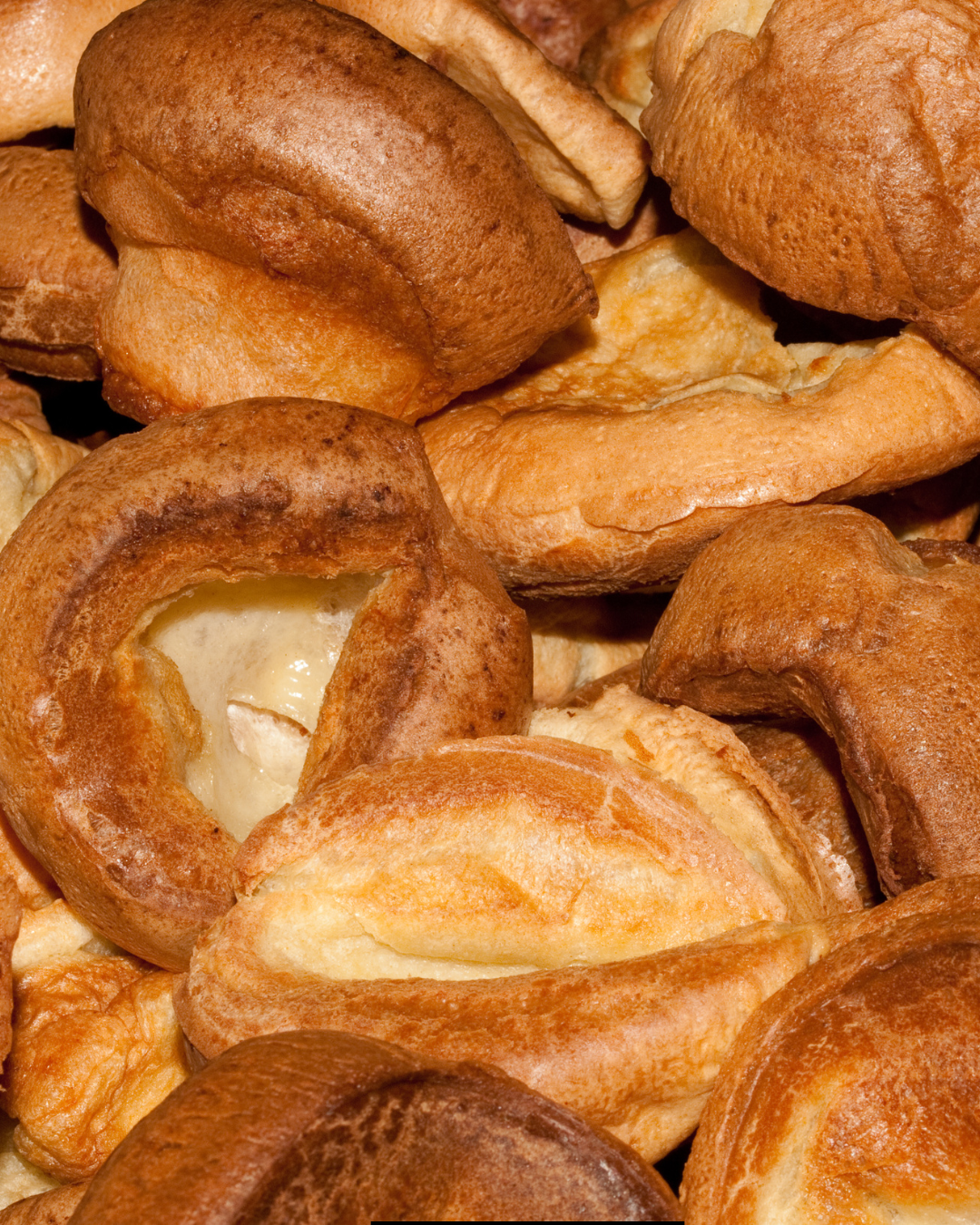
I couldn’t resist diving into Jamie Oliver’s Yorkshire Pudding recipe. Jamie, known for his approachable and delicious takes on classic British dishes, has truly mastered this traditional favorite.
Table of Contents
How to make Jamie Oliver’s Yorkshire Pudding
Jamie Oliver’s Yorkshire pudding is a classic British side dish made from a simple batter of eggs, flour, milk, and a little salt, baked in very hot oil until it puffs up into crispy, golden puddings with a soft, airy center.
Ingredients
Jamie Oliver’s Yorkshire pudding recipe uses basic pantry staples:
- 4 large free-range eggs
- 200 g (1 cup) plain flour
- 200 ml (¾ cup) milk
- Pinch of sea salt
- Vegetable oil (for greasing the muffin tin)
Instructions
- Preheat your oven to 220°C/425°F/gas mark 7. The heat is crucial to ensure the puddings rise properly.
- Add about 1 teaspoon of vegetable oil to each well of a 12-hole muffin tin. Place the tin into the preheated oven for 10–15 minutes, or until the oil is hot and shimmering.
- In a large mixing bowl, crack the 4 eggs and whisk until smooth.
- Add the 200 g of plain flour and whisk again, ensuring no lumps remain. Gradually pour in the 200 ml milk, mixing continuously until you have a silky, lump-free batter.
- Stir in a pinch of sea salt for flavor. The batter should be loose and pourable.
- Carefully remove the hot muffin tin from the oven. Pour the batter evenly into each well—about ¾ of the way full—to allow room for the puddings to rise. You’ll hear a slight sizzle as the batter hits the hot oil, which is perfect.
- Return the tin to the oven. Bake the Yorkshire puddings for 20–25 minutes, or until they are puffed up, golden brown, and crispy. Make sure not to open the oven door during baking, as this can prevent them from rising properly.
- Once cooked, remove the puddings from the oven and serve them straight away. They’re best enjoyed fresh and hot. Pair them with a roast dinner, gravy, or your favorite savory accompaniments.
Tips for Success
- To achieve the signature rise of Yorkshire puddings, the oil in the muffin tin must be piping hot. If the oil isn’t hot enough, the batter won’t rise properly.
- Filling the wells too much can cause the batter to spill over and result in uneven baking. Stick to filling them about ¾ full.
- Yorkshire puddings rely on steady heat to puff up perfectly. Opening the oven door can cause them to collapse, so be patient and keep the door closed while they bake.
- Jamie Oliver often suggests tweaking recipes based on personal preferences. For a lighter texture, you can use water in place of milk, or you might want to try adding herbs to the batter for extra flavor.
- Yorkshire puddings are best fresh, but they can be made ahead and reheated if needed. Store them in an airtight container and reheat them in a hot oven for a few minutes before serving.
What to serve with
Yorkshire puddings are a staple of traditional British cuisine, and they serve as the perfect companion to a hearty meal.
1. Sunday Roast with Gravy
The most classic way to enjoy Yorkshire puddings is as part of a Sunday roast. Roast dinners are all about bold flavors, tender meat, and rich accompaniments that complement the light, crisp texture of the puddings. Here’s how to elevate this traditional meal:
- Meat Options: Roast beef is the quintessential pairing for Jamie Oliver’s Yorkshire Pudding, but they also pair beautifully with roast chicken, pork, or lamb. Jamie often recommends using ethical, free-range meat for flavor and sustainability.
- Vegetables: Serve alongside roasted root vegetables such as carrots, parsnips, and potatoes, or steamed greens like broccoli, cauliflower, and Brussels sprouts. A drizzle of olive oil and fresh herbs can add extra depth.
- Gravy: Yorkshire puddings truly shine when drenched in rich, homemade gravy. Jamie Oliver suggests using the meat juices from your roast to make a flavorful gravy, thickened with flour and enhanced with wine, stock, and seasoning.
2. Toad-in-the-Hole
Toad-in-the-Hole is a comforting dish that features Jamie Oliver’s Yorkshire Pudding batter baked with sausages. Jamie Oliver has shared variations of this dish, emphasizing creative twists and top-quality ingredients:
- Sausage Suggestions: Opt for hearty pork sausages, or experiment with flavors like apple and sage or chorizo for a modern twist.
- Side Ideas: Serve with mashed potatoes and onion gravy to complement the hearty pudding-sausage combination.
Ingredients Substitutes
Yorkshire puddings are incredibly versatile, and one of Jamie Oliver’s strengths as a chef is offering ways to adapt recipes based on what you have at home or dietary restrictions.
1. Substitutes for Eggs
Eggs are crucial in Yorkshire puddings because they provide structure, moisture, and help the batter rise. If you’re out of eggs or need egg-free options, here are substitutes:
Egg Alternatives
- Aquafaba (Chickpea Water): Use 3 tablespoons of aquafaba per egg. Whisk it to create lightness, mimicking the eggs’ binding properties for a vegan alternative.
- Flaxseed or Chia Seed “Egg”: Mix 1 tablespoon of ground flaxseed or chia seeds with 2.5 tablespoons of water per egg. Let it sit for 5–10 minutes to thicken. This works well if you prefer a slightly nutty flavor.
- Silken Tofu: Blend 2 tablespoons of silken tofu per egg until smooth. It’s a great option for egg-free versions, but it will result in denser puddings.
- Commercial Egg Replacer: These products, available at most grocery stores, are a convenient option for maintaining structure.
2. Substitutes for Plain Flour
Plain flour is the backbone of the batter, providing structure and the iconic rise. If you need gluten-free or alternative flours, here’s what works:
Flour Alternatives
- Gluten-Free Flour: Use a 1:1 gluten-free flour blend, which typically includes rice flour, potato starch, and xanthan gum. Jamie’s recipes often support gluten-free substitutes for inclusivity.
- Self-Raising Flour: If you only have self-raising flour, use it sparingly—it contains baking powder, which may lead to slightly less traditional textures. Adjust salt in the recipe, as self-raising flour often contains salt.
- Whole Wheat Flour: For a nutty flavor, you can substitute plain flour with whole wheat flour. However, it may result in denser puddings due to its higher fiber content.
- Almond Flour: For a gluten-free and lower-carb alternative, almond flour can be used, though puddings may turn out heavier and have a subtle nutty flavor. Combine almond flour with tapioca flour to help mimic plain flour’s texture.
3. Substitutes for Milk
Milk in Jamie’s recipe adds richness and moisture to the batter. If you’re lactose intolerant or prefer a dairy-free option, there are plenty of excellent substitutes:
Milk Alternatives
- Plant-Based Milks: Substitutes like soy milk, almond milk, oat milk, or cashew milk work well. Ensure they are unsweetened and unflavored for a neutral taste.
- Water: If you don’t have milk, you can use water instead for a lighter texture. Jamie often suggests adding a touch more oil or butter to compensate for the lack of richness.
- Buttermilk or Yogurt: For tangy puddings, buttermilk can be substituted (use ¾ cup of buttermilk). You can thin plain yogurt with water to replicate a similar consistency.
- Coconut Milk: Light coconut milk can be a substitute if you enjoy a slightly sweeter and tropical undertone.
4. Substitutes for Sea Salt
Sea salt boosts flavor but can easily be replaced:
Salt Alternatives
- Regular Table Salt: A simple swap if you don’t have sea salt. Adjust quantities slightly, as table salt tends to be finer and more concentrated.
- Herb Salt or Garlic Salt: If you want an infused flavor, try herb or garlic salt for a savory twist.
- Low-Sodium Salt Substitute: Ideal for those watching salt intake.
Final Thoughts
Jamie Oliver’s Yorkshire pudding recipe focuses on the fundamentals: a simple batter, high heat, and hot oil. By following his no-fuss instructions and tips, you’ll be able to achieve consistently impressive results every time.
More Jamie Oliver’s Pudding Recipes:
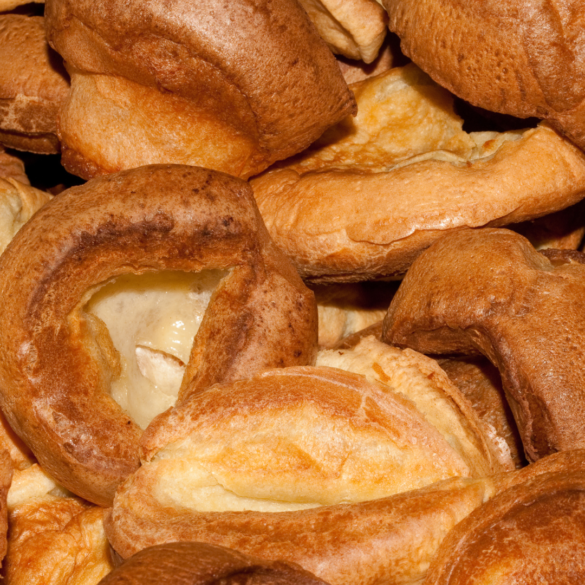
Ingredients
- 4 large free-range eggs
- 200 g (1 cup) plain flour
- 200 ml (¾ cup) milk
- Pinch of sea salt
- Vegetable oil
Instructions
- Preheat your oven to 220°C/425°F/gas mark 7. The heat is crucial to ensure the puddings rise properly.
- Add about 1 teaspoon of vegetable oil to each well of a 12-hole muffin tin. Place the tin into the preheated oven for 10–15 minutes, or until the oil is hot and shimmering.
- In a large mixing bowl, crack the 4 eggs and whisk until smooth.
- Add the 200 g of plain flour and whisk again, ensuring no lumps remain. Gradually pour in the 200 ml milk, mixing continuously until you have a silky, lump-free batter.
- Stir in a pinch of sea salt for flavor. The batter should be loose and pourable.
- Carefully remove the hot muffin tin from the oven. Pour the batter evenly into each well—about ¾ of the way full—to allow room for the puddings to rise. You’ll hear a slight sizzle as the batter hits the hot oil, which is perfect.
- Return the tin to the oven. Bake the Yorkshire puddings for 20–25 minutes, or until they are puffed up, golden brown, and crispy. Make sure not to open the oven door during baking, as this can prevent them from rising properly.
- Once cooked, remove the puddings from the oven and serve them straight away. They’re best enjoyed fresh and hot. Pair them with a roast dinner, gravy, or your favorite savory accompaniments.