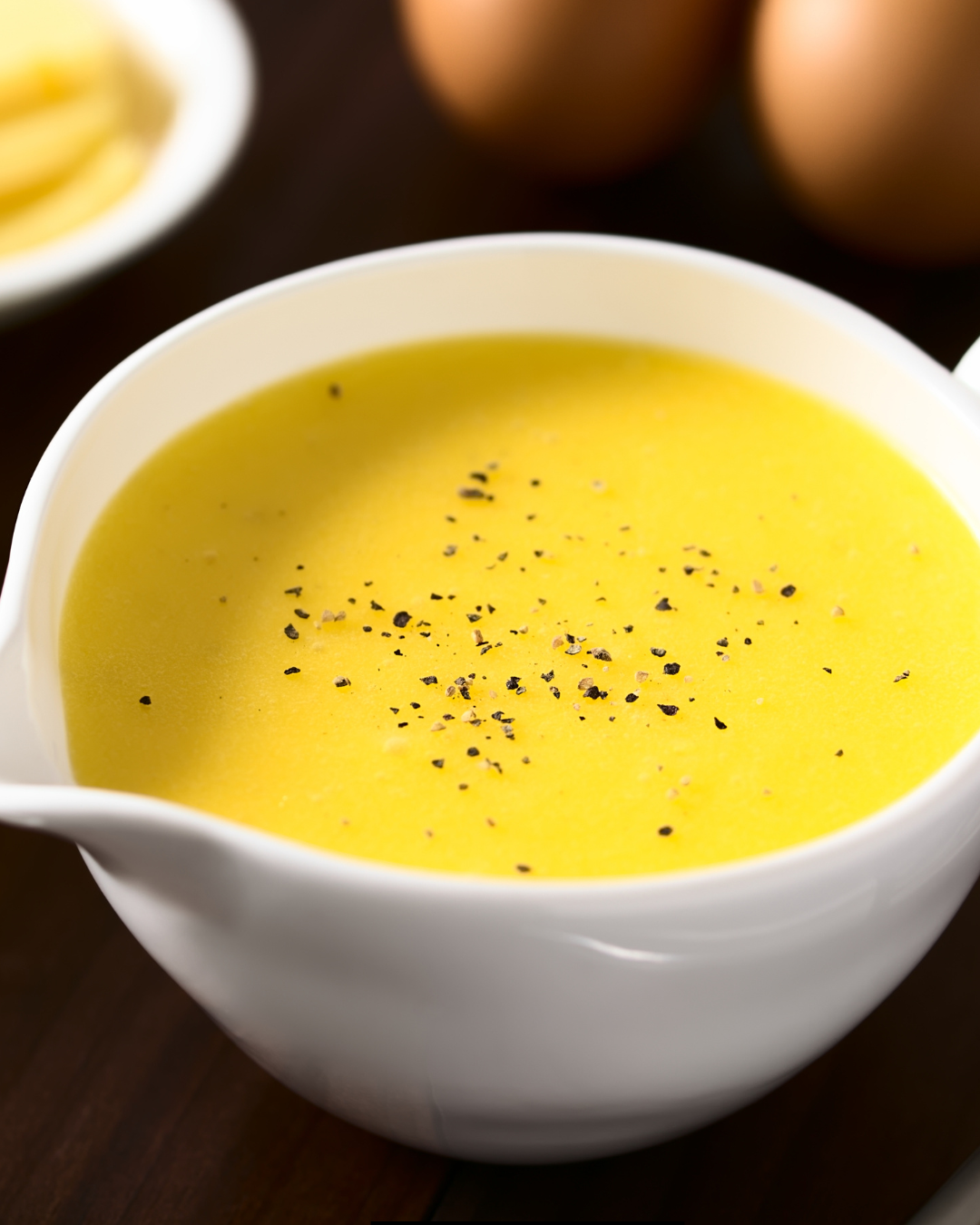
If you’ve ever been nervous about tackling Jamie Oliver’s Hollandaise Sauce at home, this no-fuss approach will give you the confidence to whip it up effortlessly. With his signature emphasis on fresh ingredients, simple techniques, and a touch of personality, his take on Hollandaise is both approachable and deeply rewarding. Trust me, it’s the kind of recipe you’ll return to over and over again—not just for the taste but for how much fun it is to make.
Table of Contents
How to make Jamie Oliver’s Hollandaise Sauce
Jamie Oliver’s Hollandaise Sauce is his take on the classic French “mother sauce” called hollandaise — a rich, buttery, lemony sauce that’s usually served warm over dishes like eggs Benedict, asparagus, fish, or roasted vegetables.
Ingredients
Here’s what you’ll need to prepare Jamie Oliver’s Hollandaise Sauce:
- 3 large egg yolks
- 250g (2 sticks) unsalted butter
- 1 tablespoon white wine vinegar
- Juice of ½ a lemon
- A pinch of sea salt
Equipment
- A small saucepan
- A heatproof bowl
- A whisk
- A wooden spoon
- (Optional: A blender can also work for beginners who want an extra-simple method!)
Instructions
- Place the butter in a small saucepan over low heat and gently melt it. Once melted, remove from the heat and allow it to cool slightly, but keep it warm for easy incorporation.
- Fill a medium-sized saucepan with an inch or two of water and place it on low heat. Bring the water to a light simmer, not a boil. Place a heatproof bowl over the saucepan, ensuring the bottom of the bowl doesn’t touch the water.
- Add the egg yolks to the bowl and start whisking. Add the tablespoon of white wine vinegar and a small pinch of salt. Continuously whisk to combine the ingredients.
- While whisking, gently heat the egg yolks in the double boiler. Be patient—low and slow is key. You’ll see the yolks begin to thicken; this usually takes about 2–3 minutes.
- Once the yolks are thickened, it’s time to add the butter. Very slowly, pour the melted butter into the egg yolk mixture in a thin, steady stream while continuously whisking. This step is crucial for creating a stable emulsion. Pouring too quickly can cause the sauce to split.
- Squeeze in the juice of half a lemon and whisk to combine. Taste the sauce and adjust the seasoning with salt or an additional hint of lemon juice if needed.
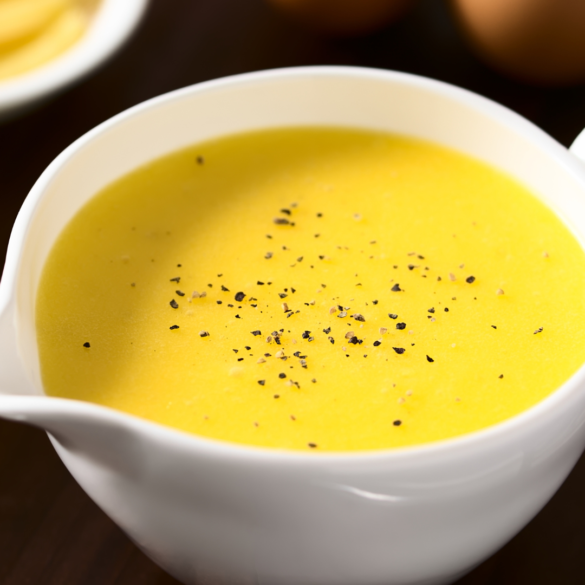
- The sauce should be smooth, glossy, and thick enough to coat the back of a spoon. If it’s too thick, stir in a teaspoon of warm water at a time to loosen it up.
- Hollandaise sauce is best served fresh and warm, so pour it over your dish, or keep it warm in the double boiler until ready to serve. Be careful not to overheat, as it might split.
Jamie’s Tips for Success
- Too much heat can scramble your eggs. A gentle simmer for the double boiler ensures even cooking without any disasters.
- Whisking not only helps create a smooth emulsion but also prevents the yolks from cooking unevenly. Dedicate all your focus during this step!
- If the sauce splits, don’t panic. Remove it from the heat and whisk in a tablespoon of cold water or a fresh egg yolk to bring the emulsion back together.
- Always pour in the butter slowly. If you pour too much at once, the sauce won’t emulsify properly and might end up oily.
- Want a little kick? A pinch of cayenne pepper or mustard powder works wonders. Prefer a less tangy sauce? Adjust the lemon and vinegar to suit your palate.
What to serve with
Jamie Oliver’s Hollandaise Sauce is the ultimate condiment for adding a rich, creamy, and luxurious touch to a variety of foods. Its buttery texture and vibrant tang from lemon juice and vinegar make it incredibly versatile, elevating everything from breakfast classics to elegant dinner entrees.
1. Classic Egg Dishes
Jamie Oliver’s Hollandaise Sauce is a staple when it comes to breakfast and brunch. Pair it with perfectly poached eggs or other egg dishes to create a sensational start to your day.
- Eggs Benedict: The most classic pairing! Layer a toasted English muffin with ham or smoked salmon, add a poached egg, and generously drizzle Hollandaise on top.
- Egg Florentine: A variation on Eggs Benedict, replacing the ham with a bed of wilted spinach for a lighter, vegetarian-friendly option.
- Soft-Boiled or Poached Eggs: Spoon the sauce over a runny egg to take it to the next level.
2. Seafood and Fish
Hollandaise Sauce pairs beautifully with delicate seafood, balancing its richness with the natural flavors of the sea.
- Grilled or Steamed Salmon: Whether served whole, filleted, or as a steak, salmon is a match made in heaven with this creamy sauce.
- Sea Bass, Cod, or Halibut: Any white fish is an ideal canvas for Hollandaise Sauce, providing a mild flavor that lets the sauce shine.
- Crab Cakes: Top crispy crab cakes with a dollop of Hollandaise for a decadent appetizer or main course.
- Lobster: Drizzle Hollandaise over steamed or grilled lobster for a luxurious seafood dinner.
3. Vegetables
Hollandaise Sauce elevates even the simplest vegetables, making them feel fancy and indulgent.
- Asparagus: Perhaps the most famous vegetable pairing, steamed or roasted asparagus with Hollandaise is a classic side dish or appetizer.
- Broccoli or Broccolini: The creamy sauce coats these green vegetables perfectly, making them irresistible.
- Cauliflower: Serve roasted, steamed, or even grilled cauliflower with a generous drizzle of Hollandaise for a rich vegetarian option.
- Artichokes: Use Hollandaise Sauce as a luscious alternative to traditional melted butter for dipping artichoke leaves.
- Carrots: Roasted baby carrots or lightly steamed carrot spears taste incredible with Hollandaise drizzled over them.
Ingredients Substitutes
Jamie Oliver’s Hollandaise Sauce is revered for its rich, tangy, and buttery texture. Still, sometimes you may not have the exact ingredients on hand or want to explore alternative options for dietary, preference, or convenience reasons.
1. Egg Yolks
Egg yolks form the base of Hollandaise Sauce by emulsifying with butter to create its characteristic creamy texture.
Substitutes for Egg Yolks:
- Plant-Based Options (Vegan Hollandaise): Use 2 tablespoons of aquafaba (the liquid from a can of chickpeas) for each egg yolk. Aquafaba helps stabilize emulsions, mimicking the thickening properties of egg yolks.
- Heavy Cream: If you’re out of egg yolks but not going for a vegan version, heavy cream thickened slightly with cornstarch can create a passable consistency.
- Greek Yogurt: For a lighter alternative, replace egg yolks with unsweetened Greek yogurt. This creates a tangy texture but lacks the richness of traditional yolks.
2. Butter
Butter provides the richness and is essential for creating the smooth consistency of Hollandaise Sauce.
Substitutes for Butter:
- Clarified Butter/Ghee: If you prefer a nuttier flavor or want to prevent splitting, clarified butter or ghee can be used. These also handle heat better due to the absence of milk solids.
- Coconut Oil: For a dairy-free alternative, melted coconut oil works well. Opt for refined coconut oil to avoid an overpowering coconut taste.
- Olive Oil: For a healthier twist, warm olive oil can replace melted butter. Keep in mind, this will yield a different flavor—extra virgin olive oil adds a fruity and peppery taste to the sauce.
- Vegetable Margarine: A great dairy-free swap that mimics the texture of butter almost perfectly, making it ideal for vegan versions.
3. Lemon Juice
Fresh lemon juice is key to the tanginess and brightness in Hollandaise Sauce.
Substitutes for Lemon Juice:
- White Wine Vinegar: A widely accepted substitute, as it provides similar acidity without the citrus notes. Combine with a pinch of sugar for added balance.
- Apple Cider Vinegar: Slightly sweeter than white wine vinegar, apple cider vinegar can offer the same acidic kick with mild fruity undertones.
- Lime Juice: If you’re out of lemons, fresh lime juice works as a decent replacement, though it adds a sharper tang. Use sparingly to avoid overpowering the dish.
- Orange Juice: For a sweeter, less acidic alternative, use fresh orange juice. This is a creative twist if you’re serving the sauce over lighter dishes like vegetables or seafood.
4. White Wine Vinegar
Jamie Oliver incorporates a splash of white wine vinegar to deepen the tangy flavor of the sauce and balance the richness.
Substitutes for White Wine Vinegar:
- Champagne Vinegar: With its delicate flavor, champagne vinegar is a near-perfect substitute if you’re looking for a mild acidity.
- Rice Vinegar: Another gentle option, rice vinegar is less sharp and adds subtle sweetness to your sauce.
- Sherry Vinegar: For a bolder, richer flavor, sherry vinegar works well, though it may darken the sauce slightly.
- Balsamic Vinegar (White): White balsamic vinegar can work as a substitute without altering the sauce’s color, but it is slightly sweeter than white wine vinegar.
Final Thoughts
Jamie Oliver’s Hollandaise Sauce brings an air of elegance to any dish without the stress of a complicated recipe.
More Sauce Recipes:
Ingredients
- 3 large egg yolks
- 250g (2 sticks) unsalted butter
- 1 tablespoon white wine vinegar
- Juice of ½ a lemon
- A pinch of sea salt
Instructions
- Place the butter in a small saucepan over low heat and gently melt it. Once melted, remove from the heat and allow it to cool slightly, but keep it warm for easy incorporation.
- Fill a medium-sized saucepan with an inch or two of water and place it on low heat. Bring the water to a light simmer, not a boil. Place a heatproof bowl over the saucepan, ensuring the bottom of the bowl doesn’t touch the water.
- Add the egg yolks to the bowl and start whisking. Add the tablespoon of white wine vinegar and a small pinch of salt. Continuously whisk to combine the ingredients.
- While whisking, gently heat the egg yolks in the double boiler. Be patient—low and slow is key. You’ll see the yolks begin to thicken; this usually takes about 2–3 minutes.
- Once the yolks are thickened, it’s time to add the butter. Very slowly, pour the melted butter into the egg yolk mixture in a thin, steady stream while continuously whisking. This step is crucial for creating a stable emulsion. Pouring too quickly can cause the sauce to split.
- Squeeze in the juice of half a lemon and whisk to combine. Taste the sauce and adjust the seasoning with salt or an additional hint of lemon juice if needed.
- The sauce should be smooth, glossy, and thick enough to coat the back of a spoon. If it’s too thick, stir in a teaspoon of warm water at a time to loosen it up.
- Hollandaise sauce is best served fresh and warm, so pour it over your dish, or keep it warm in the double boiler until ready to serve. Be careful not to overheat, as it might split.