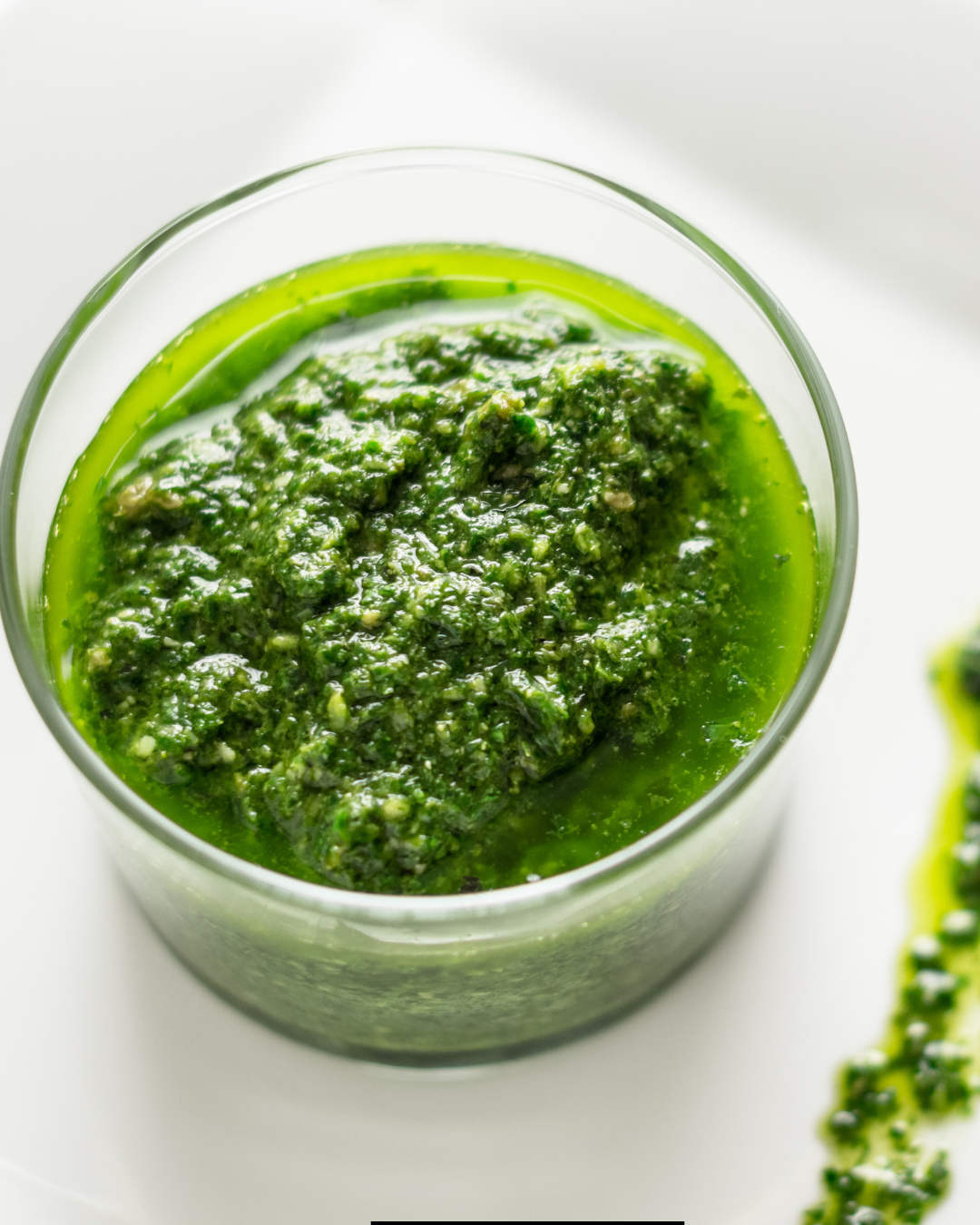
When I first stumbled across Jamie Oliver’s Pesto recipe, I was blown away by how easy it was to whip up something so full of flavour. It’s the perfect balance of fresh basil, creamy Parmesan, and the subtle nuttiness of pine nuts, brought together with a good glug of quality olive oil.
Table of Contents
How to make Jamie Oliver’s Pesto
Jamie Oliver’s pesto is a fresh, homemade herb sauce inspired by traditional Italian pesto, typically made by blending basil, garlic, nuts (like pine nuts or walnuts), Parmesan cheese, olive oil, and sometimes lemon juice.
Ingredients for Jamie Oliver’s Pesto
Here’s the ingredient list for Jamie’s classic pesto recipe. It’s simple, fresh, and easy to source:
- 100g (about 2 cups) fresh basil leaves
- 50g pine nuts (about ⅓ cup)
- 2 large garlic cloves
- 75g (about ¾ cup) freshly grated Parmesan cheese
- 150ml (about ⅔ cup) extra virgin olive oil
- Juice of half a lemon (optional)
- Sea salt and freshly cracked black pepper to taste
Instructions
- Start by peeling the garlic cloves and grating your Parmesan cheese.
- Toast the pine nuts in a dry pan for 2–3 minutes until golden brown and aromatic. Set them aside to cool.
- Jamie often recommends using a pestle and mortar for the best texture and flavor. Crushing ingredients by hand helps to release their natural oils. However, a food processor or blender works just as well for convenience.
- Add the basil leaves, toasted pine nuts, and garlic to your blender/pestle and mortar. Pulse or crush until you get a coarse, chunky mixture. You’re looking for a mix of creamy and a little texture, so don’t over-process it.
- Slowly drizzle in the olive oil as you mix, ensuring it emulsifies into a smooth sauce. Add the grated Parmesan and mix until integrated into the blend.
- Squeeze in the lemon juice if you’re using it, then season with sea salt and freshly cracked black pepper. Taste and tweak to suit your preference.
- Your pesto is now ready to serve! Add it to pasta, spread on bruschetta, drizzle over roasted veggies, or even spoon it into soups. If you’re not using it immediately, transfer the pesto into an airtight container and cover the surface with a thin layer of olive oil to prevent discoloration. Store it in the fridge for up to 3–4 days.
Expert Tips for Making the Perfect Pesto
- Always use fresh basil leaves for the brightest, most aromatic pesto. Avoid leaves that are wilting or bruised.
- Toasting the pine nuts enhances their flavor and adds richness to the pesto. Don’t skip this step!
- If you have time, use a pestle and mortar. Crushing the ingredients releases their natural oils and creates a more vibrant flavor than blending.
- Garlic can easily overpower the sauce, so stick to the recommended amount and taste as you go.
- While Jamie’s recipe is classic, you can experiment with substitutions. Swap basil for rocket (arugula) or spinach, or mix in a handful of fresh mint for a unique spin.
- If you have extra pesto, freeze it in ice cube trays for perfectly portioned servings later. Defrost and toss into pasta for a quick meal.
What to serve with
Jamie Oliver’s pesto is a versatile, flavor-packed sauce that acts as the perfect companion to a wide range of dishes.
1. Pasta Dishes
The quintessential way to enjoy pesto is with pasta. Jamie’s pesto shines brightest when paired with classic or creative pasta dishes.
- Classic Basil Pesto Pasta: Toss freshly cooked spaghetti, linguine, or penne with Jamie’s pesto. Add a splash of pasta water to create a silky sauce and finish with grated Parmesan and a drizzle of olive oil.
- Gnocchi: Serve your pesto with soft, pillowy gnocchi. For extra depth, add a sprinkle of toasted pine nuts on top.
- Pasta Salads: Mix pesto with cold pasta, roasted cherry tomatoes, mozzarella pearls, and fresh spinach to make a vibrant pasta salad for a summer meal or picnic.
2. Bread-Based Options
Pesto works wonders as a topping, spread, or dip for bread-based dishes. These ideas make for impressive starters or casual snacks.
- Bruschetta: Spread your pesto on toasted slices of sourdough or baguette. Top with fresh tomatoes, a sprinkle of Parmesan, or even some prosciutto for added flair.
- Flatbreads or Pizza: Use pesto as a base sauce for flatbreads or pizzas instead of traditional tomato sauce. Top with mozzarella, sun-dried tomatoes, and olives.
- Sandwiches and Wraps: Add pesto to sandwiches as a spread—it pairs beautifully with grilled chicken, turkey, fresh vegetables, or melted cheeses.
Ingredients Substitutes
The beauty of Jamie Oliver’s pesto recipe lies in its simplicity and adaptability. While the traditional ingredients—like fresh basil, pine nuts, Parmesan cheese, and olive oil—make this classic Italian sauce rich and flavorful, there’s plenty of room to experiment and customize.
1. Basil Substitutes
Basil is the heart and soul of pesto, but if you don’t have it on hand or want a flavor twist, try these alternatives:
- Arugula (Rocket): A peppery, slightly bitter green that brings a sharp bite to your pesto. It works well if you like bold flavors.
- Spinach: For a milder, sweeter option, use fresh baby spinach. Spinach pesto has a creamier texture and is great for kids or anyone wanting a less punchy sauce.
- Parsley: Flat-leaf parsley offers a fresh, grassy flavor. It’s less aromatic than basil but still makes for a wonderful pesto. Combine it with mint or coriander for added complexity.
- Coriander (Cilantro): For an exotic twist, coriander works especially well when paired with lime or a hint of chili. Great for fusion-style dishes.
- Kale: Blanched kale leaves can replace basil, creating an earthy and nutrient-packed pesto.
- Mint: Use mint for a bright, refreshing pesto—perfect for spring or summer dishes. Combine it with parsley or spinach to avoid overpowering the sauce.
2. Pine Nut Substitutes
Pine nuts are deliciously buttery and nutty, but they can be expensive or difficult to find. Here are some alternatives:
- Almonds: Toasted almonds provide a slightly sweet, nutty flavor and crunch similar to pine nuts.
- Walnuts: Walnuts are affordable, rich, and earthy. They add great depth to pesto and are a popular alternative.
- Cashews: Raw or toasted cashews bring a creamy texture and subtle sweetness to pesto, making them ideal for those who like smoother sauces.
- Pecans: Pecans lend a richer, almost maple-like undertone. Use sparingly as they can be quite intense.
- Sunflower Seeds: Great for nut-free pesto! Sunflower seeds mimic the slight nuttiness of pine nuts and work especially well toasted.
- Pumpkin Seeds (Pepitas): Another nut-free option, pumpkin seeds add a robust, earthy flavor—and they’re packed with nutrients.
3. Garlic Substitutes
Garlic brings boldness to pesto, but if you want something milder or need an alternative, try these options:
- Shallots: Finely chopped or lightly sautéed shallots can replace garlic, offering a more subtle, slightly sweet flavor.
- Green Onions (Scallions): Use the white part of green onions for a mild garlic-like taste. Perfect if you want less intensity.
- Roasted Garlic: If raw garlic feels too strong, roast it to mellow out its sharpness. Roasted garlic adds sweetness and a richer flavor to your pesto.
- Garlic Powder: A quick fix if you don’t have fresh garlic on hand. Start with small amounts and adjust to taste.
- Chives: Chopped fresh chives can add a light onion-garlic flavor. They won’t overpower the sauce, making them ideal for a more delicate pesto.
4. Parmesan Cheese Substitutes
Parmesan provides the creamy, salty umami essential for pesto, but there are many substitutes available:
- Pecorino Romano: Similar to Parmesan, Pecorino has a tangy, slightly sharper flavor. It’s perfect for those seeking a bold cheese.
- Grana Padano: A milder version of Parmesan, Grana Padano is softer and easier to mix, but still packed with flavor.
- Cheddar: Use a finely grated sharp white cheddar for a unique twist. It adds creaminess and depth but alters the traditional flavor slightly.
- Nutritional Yeast: (Vegan option) If you’re avoiding dairy, nutritional yeast is a fantastic substitute. Its nutty, cheesy flavor mimics Parmesan beautifully.
- Cashew Cream (Cheese): Blend soaked cashews with lemon juice, salt, and a touch of water to create a vegan alternative with creamy and cheesy notes.
Final Thoughts
Jamie Oliver’s pesto is far more than just a pasta sauce—it’s a true kitchen superhero that can transform countless dishes. From hearty grain bowls and roasted veggies to fresh sandwiches, pizzas, and soups, its versatility knows no bounds.
More Sauce Recipes:
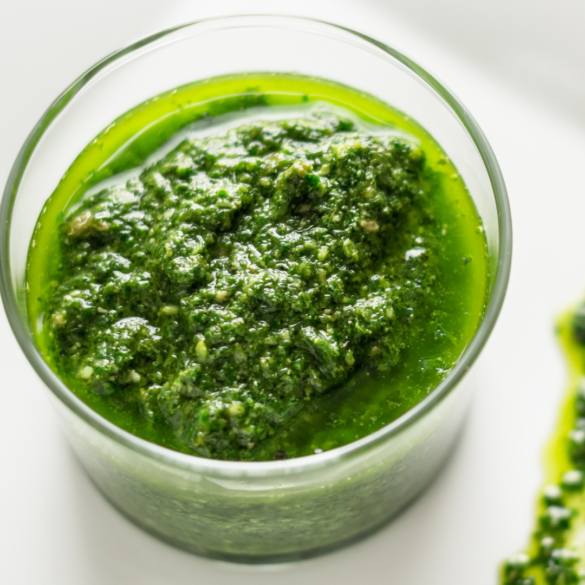
Ingredients
- 100g (about 2 cups) fresh basil leaves
- 50g pine nuts (about ⅓ cup)
- 2 large garlic cloves
- 75g (about ¾ cup) freshly grated Parmesan cheese
- 150ml (about ⅔ cup) extra virgin olive oil
- Juice of half a lemon (optional)
- Sea salt and freshly cracked black pepper to taste
Instructions
- Start by peeling the garlic cloves and grating your Parmesan cheese.
- Toast the pine nuts in a dry pan for 2–3 minutes until golden brown and aromatic. Set them aside to cool.
- Jamie often recommends using a pestle and mortar for the best texture and flavor. Crushing ingredients by hand helps to release their natural oils. However, a food processor or blender works just as well for convenience.
- Add the basil leaves, toasted pine nuts, and garlic to your blender/pestle and mortar. Pulse or crush until you get a coarse, chunky mixture. You’re looking for a mix of creamy and a little texture, so don’t over-process it.
- Slowly drizzle in the olive oil as you mix, ensuring it emulsifies into a smooth sauce. Add the grated Parmesan and mix until integrated into the blend.
- Squeeze in the lemon juice if you’re using it, then season with sea salt and freshly cracked black pepper. Taste and tweak to suit your preference.
- Your pesto is now ready to serve! Add it to pasta, spread on bruschetta, drizzle over roasted veggies, or even spoon it into soups. If you’re not using it immediately, transfer the pesto into an airtight container and cover the surface with a thin layer of olive oil to prevent discoloration. Store it in the fridge for up to 3–4 days.